Best Silicone Rubber Heating Tape for Reliable Heat Control and Freeze Protection
If you’re shopping for silicone rubber heating tape, you’re looking for dependable, moisture-resistant heat that can wrap around pipes, tanks, or conductive surfaces. This guide highlights five top options and explains who each is best for, plus practical buying tips. Use this to choose a tape that provides consistent temperature control, durability in harsh environments, and straightforward installation. The top picks span adjustable thermostat models, time-percentage controls, and robust resistance to moisture and chemicals.
| Product | Key Specs | Best For |
|---|---|---|
| BriskHeat HSTAT051010 XtremeFLEX | 0.5″ x 120″; 360W; 120VAC; adjustable thermostat | Best for long runs on pipes or flat surfaces needing precise temp control |
| BriskHeat BS0051080L XtremeFLEX BS0 | 0.5″ x 96″; 209W; 120VAC; same end leads | Better for shorter sections and quick heat-up on compact projects |
| MOLLIFII Silicone Heating Tape TS | 1″ x 8′; Time Percentage Control; 576W; 120V | Best for process control with adjustable cycling on larger surfaces |
| BriskHeat HSTAT051002 XtremeFLEX | 1″ x 72″; 432W; 120VAC; adjustable thermostat | Best for warming larger pipes or panels with even heat |
| BriskHeat HSTAT101010 XtremeFLEX | 1″ x 72″ piping/tube heat; 720W; 120V; adjustable thermostat | Best for high-demand heating and freeze protection on longer runs |
BriskHeat HSTAT051010 XtremeFLEX HSTAT Silicone Rubber Heating Tape
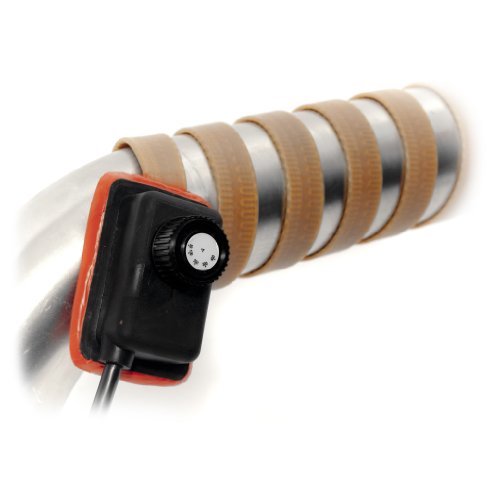
The HSTAT051010 model uses a silicone rubber outer sheath with a fiberglass-reinforced, serpentine-wound heating element. It’s designed for moisture and chemical resistance and suits electrically conductive surfaces. Best for buyers who need a longer length and higher wattage in one piece, such as process piping or larger panels. The adjustable thermostat helps optimize heat delivery, reducing energy waste. A potential limitation is the 120V operation, which may require the correct power supply setup in some installations.
BriskHeat BS0051080L XtremeFLEX BS0 Silicone Heating Tape
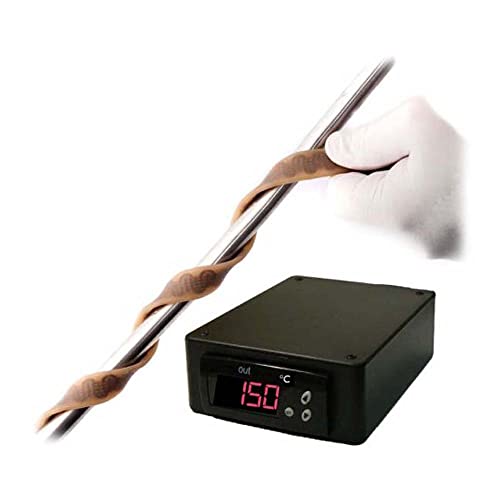
The BS0 version features a silicone rubber outer sheath with a fiberglass knitted/braided construction. It delivers reliable heat over shorter runs at 96 inches long and is moisture and chemical resistant, making it suitable for electrically conductive surfaces. This option is well-suited for projects where compact length and steady performance are priorities. A caution: 209W is lower than some other models, so assess whether the heat output meets your area’s requirements for consistent ambient or surface temperature.
Silicone Rubber Heating Tape, Time Percentage Control, 120V, 576W

This Mollifii model introduces time percentage control, offering modulation of heat cycles for larger areas. At 576W, it can rapidly raise temperatures and then cycle off to maintain the target level. The 1″ width and 8′ length provide good coverage for moderate-size sections. Best for users who want cycling control rather than continuous heat. A caveat: the data does not specify a thermostat dial, so expect more automated cycling than manual temperature setting.
BriskHeat BSAT101006 XtremeFLEX Silicone Rubber Heating Tape With Time Percentage Dial
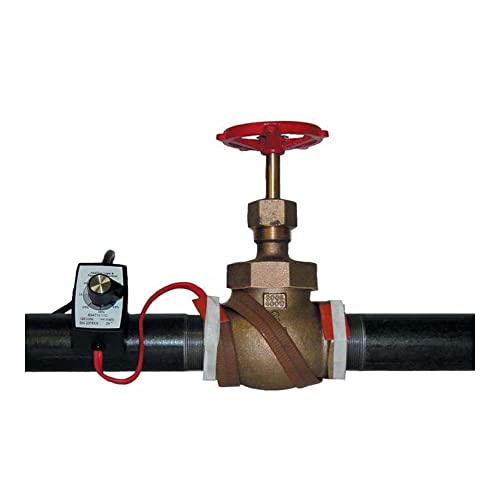
The BSAT101006 combines a 1-inch width with 72-inch length and a 432W load in a moisture- and chemical-resistant silicone sheath. The time-percentage dial provides cycling control, making it suitable for scenarios where precise run-time heat management is needed across moderately long runs. Choose this if you prefer a balance of heat delivery and simple, dial-based control. Limitation: longer term reliability depends on the integrity of the outer sheath in harsh environments.
BriskHeat HSTAT101010 XtremeFLEX Heating Tape With Adjustable Thermostat
This high-output option delivers 720W at 120V with a 1-inch width and 72 inches length. The adjustable thermostat enables fast heat up to 425°F (218°C), making it suitable for aggressive process temperature control, freeze protection, and supplemental warmth. It’s best for systems requiring strong, consistent heat over substantial surface areas. A potential drawback is higher wattage, which may demand proper circuit capacity and safer handling in tighter installations.
Buying Guide
- Heat output and surface coverage: Compare watts per inch to determine how much heat is needed. Longer tapes with higher wattage cover larger sections more quickly.
- Control method: Thermostats offer continuous setpoint control; time-percentage controls cycle heat on and off. Choose based on how steady you need surface temperatures and how tolerant you are to temperature fluctuation.
- Environmental resistance: Look for silicone rubber sheaths with moisture and chemical resistance for wet, oily, or harsh environments. Ensure the outer sheath and interconnects are rated for your application.
- Installation considerations: Check width and mounting flexibility. A 0.5″ width is common for tight spots; 1″ width covers more area but may be harder to fit around curves.
- Electrical safety: Confirm voltage compatibility with your power source (120V is standard in many homes, but some setups may require 240V). Ensure proper wiring and protection for continuous operation.
- Best applications: For pipes and tanks, choose models designed for heat-wrapping and temperature control; for flat panels or equipment housings, a longer, adjustable-torque model may be preferable.
Frequently Asked Questions
- What is silicone rubber heating tape best used for? It is ideal for pipe freeze protection, process temperature control, and maintaining heat on surfaces that require flexible, durable insulation.
- Do all models require an external thermostat? Some have built-in adjustable thermostats; others use time-percentage controls. Check the product page to confirm control type and mounting requirements.
- Is 120V sufficient for most applications? For light to moderate heat needs, 120V models are common. High-demand setups may require higher wattage or longer tapes to achieve the target temperature.
- Can silicone heating tape be used on conductive surfaces? Yes, many models are designed for electrically conductive surfaces, but verify compatibility with your substrate to avoid overheating or damage.
- How do I install silicone heating tape safely? Ensure clean, dry surfaces, follow manufacturer mounting recommendations, and protect wiring from moisture. Use appropriate connectors and safety clearances to prevent burns or shorts.