Best 24V Scooter Battery Chargers for Smooth Mobility
The right 24V charger can reduce charging time, protect battery health, and keep mobility devices ready when you need them. This guide highlights five compatible 24V chargers for popular scooters and power chairs, focusing on reliability, safety features, and compatibility with LEAD ACID batteries. Each option is commonly used with Pride Mobility, Jazzy Power Chair, Shoprider, Drive Medical, and similar brands. Read on to compare specs, connector types, and charging performance to find the best fit for your device.
Summary of chosen products (names and brands only):
– 24V 5A 3-Pin Male XLR Connector Battery Charger for Lakematic, Pride Mobility, Jazzy Power Chair, Drive Medical, Golden Technologies, Shoprider, Rascal 200T/500T/301 PC 24BC5000TF-1 (Fancy Buying)
– 24V 2A Electric Scooter Battery Charger (nvmw)
– Pride Mobility Charger ELE1803400 (Pride Mobility)
– Janboo 24V Scooter Battery Charger (Janboo)
– LotFancy 24V 2A Battery Charger (LotFancy)
– 24V 5A Fast Battery Charger (QKIIP)
– ExpertPower 24V 5A Smart Charger (ExpertPower)
– 29V 5A Fast Charger for 24V Lead Acid (QKIIP)
Product comparisons at a glance
- Voltage: 24V (all), with outputs from 2A to 5A
- Connector: 3-pin XLR (male) standard in mobility chargers
- Battery type: LEAD ACID compatible; some models also mention LiFePO4 suitability
- Safety: short-circuit, overcurrent, overvoltage protections on most units
- Intended use: Jazzy Power Chair, Pride Mobility, Shoprider, Drive Medical and similar chairs/scooters
24V 5A 3-Pin XLR Charger for Jazzy Power Chair and More

This 24V 5A charger is designed for LEAD ACID batteries and uses a male 3-pin XLR connector. It claims faster charging performance compared to lower-amp models and is compatible with a wide range of Pride Mobility, Jazzy Power Chair, and Shoprider models, alongside several other brands. Input is universal AC 100-240V, and output is DC 24V 5A, delivering up to 120W. It’s a replacement-style part intended to function as a genuine part across multiple chair systems, with OEM compatibility noted.
24V 2A Electric Scooter Charger for Go Go and Jazzy Units

This 24V 2A charger targets a broad mix of Go Go Elite Traveler and Jazzy electric chair batteries. Features include overcurrent and short circuit protections, a two-stage charging approach, and a male 3-pin XLR connector with a 4.9-foot input cord. It claims broad compatibility with eZip and similar models, though not every listed model will apply to every device. It emphasizes reliable, steady charging and quick compatibility with common 24V systems.
Pride Mobility ELE1803400 Charger (24V 3.5A)
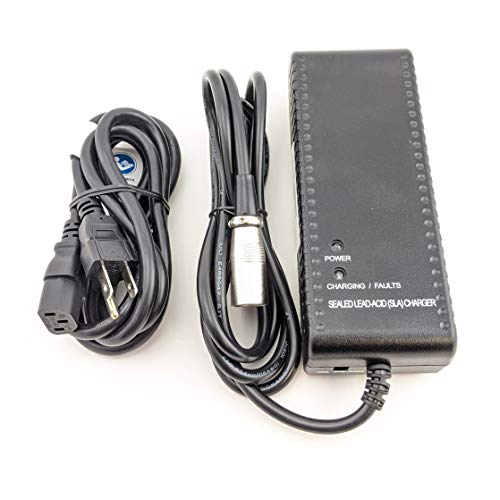
This 24V 3.5A charger is positioned as a current version replacement for older models. It is described as compatible with Jazzy joysticks and scooter charging ports across Pride Mobility devices. It provides a steadier current suitable for typical Jazzy power chairs and related scooters, with emphasis on compatibility across multiple Pride ports and controllers for reliable operation.
Janboo 24V Scooter Charger for Razor and More
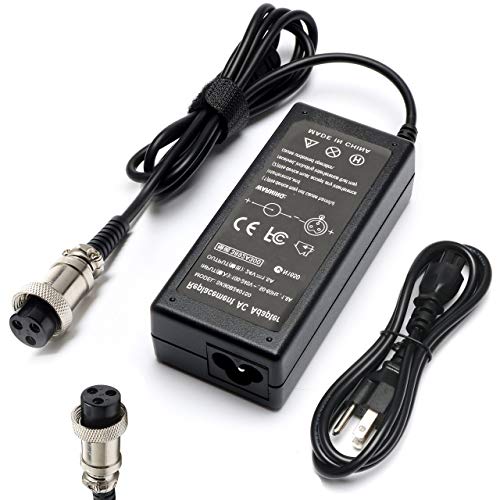
This charger is marketed for Razor models and a wide list of 24V scooters, delivering 24V at 1.5A. It uses a standard 3-prong connector and emphasizes compatibility with non-original third-party units. It notes exclusions for certain scooter families and devices, helping users avoid incompatible models while offering a practical charging solution for common 24V systems.
LotFancy 24V 2A Battery Charger for Lead Acid Devices

LotFancy offers a 24V 2A charger designed for lead acid batteries, with a 3-pin XLR connector and safety protections such as short circuit and over-voltage. It targets mobility chairs and scooters from multiple brands, including Jazzy and Pride, providing a balanced option for mid-range charging needs with standard compatibility for lead-acid systems.
QKIIP 24V 5A Fast Battery Charger with 3-Pin XLR

This fast charger provides 24V at 5A and includes a built-in 3-pin XLR connector with an 8-foot cord. It is marketed as compatible with many brand-name mobility devices, emphasizing rapid charging relative to lower-amp models. Safety features include protections against over-voltage, overload, and short circuits, with a fire-resistant casing for added protection in home charging setups.
QKIIP 29V 5A Fast Charger for 24V Lead Acid Batteries

This charger is labeled for 29V 5A output, intended for 24V lead-acid battery systems in mobility devices. It uses a 3-pin XLR connection and highlights safety features such as over-voltage and short-circuit protections. While it offers a higher voltage option, compatibility must be confirmed with your device’s charging port and battery specification to ensure proper operation.
Buying Guide: Key considerations for selecting a 24V charger
Battery chemistry and compatibility
Most chargers in this category are designed for LEAD ACID batteries, common in many mobility chairs and scooters. If your device uses LiFePO4 or another chemistry, verify compatibility or choose a charger explicitly rated for that chemistry to maintain battery health and warranty coverage.
Current (amps) and charging time
Higher amperage reduces charging time but may stress older batteries. For many 24V systems, 2A to 5A is typical. Assess your battery capacity (Ah) and manufacturer guidelines to estimate charging duration without overheating.
Connector type and cable length
Most units use a male 3-pin XLR connector. Confirm the female receptacle on your device and measure the cord length to meet your setup needs. A longer cord adds flexibility but may affect clutter and portability.
Safety features
Look for overcurrent, overvoltage, short-circuit protection, and an automatic shutoff when the battery is full. Fire-resistant enclosures and UL-listed certifications enhance safety for regular home charging.
Brand compatibility and warranty considerations
Many chargers are designed as OEM-compatible replacements for Jazzy, Pride, Shoprider, Drive Medical, and other brands. Check warranty terms and confirm compatibility with your specific model to ensure proper support and service if issues arise.
Usage scenarios and portability
Consider where you’ll charge—home, car, or travel—and choose a charger with appropriate input voltage (AC 100-240V is common) and a suitable cord length. Some models emphasize rugged builds for frequent traveler use or household mobility aids.