Best RV Power Control Centers and Distribution Panels for Campers
Answering the question most RV owners ask: which power control center best fits your motorhome, travel trailer, or camper? This guide highlights five top RV power control centers, focusing on 30-amp and 50-amp configurations, auto-detect charging, and compact installations. It’s ideal for full-timers, weekend travelers, and DIY installers who want reliable electrical management without sacrificing space. Below is a quick buying table to compare the core specs of each option.
| Product | Power Type | Best For |
|---|---|---|
| BIPIMIFI WF-8930/50NPB | 50/30 Amp AC Distribution | Small to mid-sized RVs needing flexible amp input |
| MAOYUMAO WF-8735-AD | 30 Amp DC Output, Auto Detect | RVs needing efficient charging and battery protection |
| GEARCESS WF-8735-AD | 30 Amp, Auto Detect, 35A DC | Bit larger setups with multiple DC/AC needs |
| PowerMax PPC-30-55LK | 30 Amp AC | 12V DC | Balanced AC/DC management with compact footprint |
| WFCO WF-8955-AD | 55 Amp DC Output, Auto Detect | OEM-style reliability with wide voltage tolerance |
BIPIMIFI WF-8930/50NPB RV Power Center

Features include a versatile 50 Amp or 30 Amp AC distribution center with input options of 120 Vac or 240 Vac. This unit is designed for easy installation and a compact footprint: 13.75″ x 9.5″ x 4″ and only 3.75 lbs. It’s engineered for quiet operation, minimizing interference with other devices. Best for RV owners needing a compact, dual-amps-capable distribution panel that fits tight spaces.
Best for: Small-to-mid-size RVs where space is at a premium and flexible amp input is beneficial. Cautions: As with any installation, verify compatibility with existing shore power and vehicle wiring before mounting.
MAOYUMAO WF-8735-AD RV Converter Charger

Designed as a 30 Amp power center with auto-detect capabilities and a 35 Amp DC output, it provides three-stage charging for RVs. It supports auto-detect technology to adjust charging modes (13.2 VDC floating, 13.6 VDC absorption, 14.4 VDC high capacity) and includes safety protections like overcharge and short-circuit safeguards. Best for: RVs that benefit from efficient, battery-aware charging and simpler battery maintenance. Cautions: Performance is dependent on a stable AC input; lower voltage environments may reduce charging speed.
GEARCESS WF-8735-AD 30 Amp Power Center

Key details include a 30 Amp main and a three-stage auto-detect charger with 35 A DC output. It emphasizes high-efficiency charging (input 105-130 Vac, 60 Hz, 595W) and broad RV compatibility. Best for: Campers needing a robust auto-detect charger and extra DC circuits for diverse onboard devices. Cautions: Availability and installation support may vary; confirm included wiring harness compatibility with your RV model.
PowerMax PPC-30-55LK Power Center
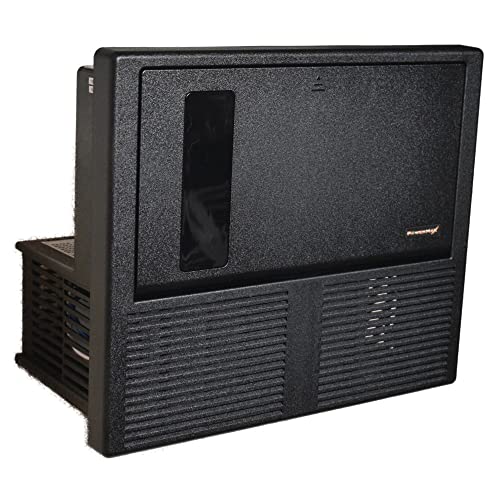
Offers a cutting-edge RV AC & DC distribution with a 30 Amp AC and 12-volt DC panel. The PPC-30-55LK emphasizes a compact footprint and measurable layout for easy integration in larger RVs that require solid AC/DC management. Best for: RVs that need a single, all-in-one power center with clear AC/DC separation. Cautions: Ensure compatible with existing shore power equipment and check for space for mounting in the main distribution area.
WFCO Genuine WF-8955-AD Power Center
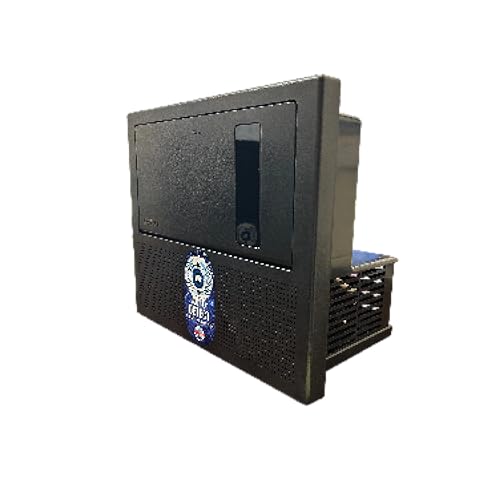
The WF-8955-AD features patented Auto Detect technology to recognize battery type (lead-acid or LiFePO4) and automatically adjust charging modes. It provides full output power down to low voltages and is a popular OEM choice for RVs. Best for: RV owners who want OEM-grade reliability with intelligent battery management. Cautions: As an OEM-focused product, compatibility with non-standard RV electrical setups should be verified before installation.
Buying Guide
- Power needs: Determine your RV’s AC and DC load by listing main devices (fridge, lights, water heater, inverter). Choose a center that supports the highest continuous draw you anticipate.
- Input/output options: If you have 50 Amp shore power, pick a center that supports 50 Amp distribution; for smaller setups or upgrade paths, a 30 Amp model can be sufficient.
- Auto-detect chargers: Auto Detect or auto-adjust charging modes prolong battery life and simplify setup. Consider LiFePO4 compatibility if you plan to use advanced battery chemistries.
- Footprint and mounting: Measure the space under your RV’s service bay. Compact centers save space but ensure access for wiring and maintenance.
- Safety features: Look for overcharge protection, short-circuit protection, and temperature monitoring. These reduce risk to batteries and appliances.
- OEM vs aftermarket: OEM-grade centers often offer better compatibility with RV systems but verify warranty and support terms if choosing aftermarket.
FAQ
- What is the difference between a 30 Amp and a 50 Amp RV power center?
Answer: A 50 Amp center can support higher input power and load capacity, suitable for larger RVs, while a 30 Amp center fits smaller setups and shore power constraints. - Do auto-detect charging centers work with LiFePO4 batteries?
Answer: Many do, but confirm specific compatibility with LiFePO4 chemistry and the battery management system in use. - Is it important to have a compact power center?
Answer: Yes, compact units help maximize storage and ease of installation in tight RV compartments without sacrificing functionality. - Can I replace an existing power center with a newer auto-detect model?
Answer: In most cases, yes, but verify wiring harness, mounting footprint, and electrical code compatibility before replacement. - What safety features should I look for?
Answer: Overcharge protection, short-circuit protection, temperature control, and proper insulation for outdoor or splash-prone environments. - Do I need professional installation?
Answer: If you are unfamiliar with RV electrical systems, professional installation is recommended to ensure safety and code compliance.