Best Rotary Phase Converter Kits for Home and Workshop Power
Answering the need for reliable 3‑phase power, rotary phase converter kits let a single 1‑phase source run multiple 3‑phase machines. This guide highlights five well‑rounded options ideal for hobbyists, small shops, CNC users, and light industrial setups. Each pick supports expandable horsepower, real‑time monitoring, and multi‑machine operation. The buyer persona most served includes hobby mechanics seeking dependable 3‑phase power, woodshop operators needing additional CNC readiness, and small workshops upgrading from single‑phase tools.
Summary of chosen products:
| Product | |||
|---|---|---|---|
| VEVOR 5HP Rotary Converter (RPC) | 5 HP | Heavy loads, multiple machines | Yes |
| American Rotary AR10-10HP | 10 HP | General 5HP loads and higher | Yes |
| American Rotary AR5 5HP | 5 HP | Light to moderate loads | Yes |
| VEVOR 2.5HP RPC | 2.5 HP | Smaller shops, light loads | Yes |
| VEVOR 7.5HP RPC | 7.5 HP | Medium to higher demand | Yes |
VEVOR 5HP Rotary Converter — Heavy-Duty 3-Phase Power
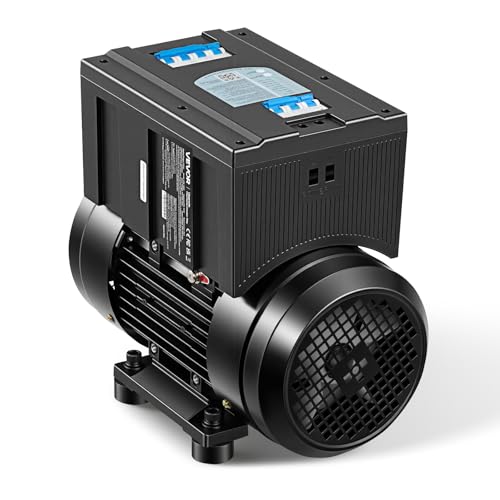
Best for: Heavy equipment that requires reliable 3‑phase power under load. The unit uses an idler motor to generate stable 3‑phase power for air compressors, CNC machines, and other demanding tools. It supports multi‑machine operation and parallel upgrades for higher horsepower, which is useful for expanding shop capabilities. The intelligent monitoring includes automatic load detection, voltage monitoring, and fault alerts to protect sensitive machinery.
Who it’s for: Small shops upgrading from single‑phase power and users expanding to multiple machines. Choose this if you plan to run several 3‑phase devices simultaneously and may scale up later. Caution: Ensure adequate ventilation and space for the RPC and connected equipment, as heat and noise can increase under heavy load.
American Rotary AR10-10HP — 1 to 3 Phase Conversion

Best for: A versatile 5 HP load and slightly higher, such as CNC or light industrial equipment. This model is designed to start a 5 HP load and can support multiple devices in a 1 to 3 phase setup, with a focus on light to moderate loads. It’s a good match for operators who need a reliable 3‑phase option without jumping to very high horsepower.
Why selected: It provides reliable motor-start performance for common mid‑range loads and remains expandable for more horsepower if the workshop grows. Caution: For heavier loads near 10 HP, plan for proper air cooling and consider a higher‑capacity RPC.
American Rotary AR5 — 5 HP 1 to 3 Phase

Best for: Light to moderate loads such as small motors and basic CNC tasks. The AR5 is tailored for 2.5 HP practical loads with a simple 1 to 3 phase conversion, making it ideal for smaller woodshops or hobbyists expanding from single‑phase tools.
Why selected: It delivers straightforward conversion for common 5 HP class applications. Caution: It’s best used with modest loads; avoid pushing it to the upper end of its rated range for extended periods.
VEVOR 2.5HP Rotary Converter — Compact Yet Expandable

Best for: Small shops or hobbyists needing a compact RPC for light loads. The 2.5 HP unit provides stable 3‑phase power for essential tools, with the option to scale up by adding RPC units for higher horsepower as needed.
Why selected: It balances size and capability, making it a practical starting point for those who want to test the 3‑phase approach before investing in larger machines. Caution: It has a narrower continuous load window compared to higher‑capacity models.
VEVOR 7.5HP Rotary Converter — Stronger Performance

Best for: Medium to higher demand environments where multiple 3‑phase loads run concurrently. The 7.5 HP unit provides robust power for air tools, CNCs, and heavy equipment with reliable performance under load.
Why selected: It offers a balance of horsepower and expandability within the VEVOR line, making it suitable for growing shops. Caution: Heat management matters; ensure proper airflow around the unit during extended operation.
Buying Guide: Key Considerations for Rotary Phase Converter Kits
What should you examine when selecting an RPC kit?
- Load profile: Identify peak horsepower and whether loads are resistive, motor-driven, or CNC/EDM powered. Choose higher HP if you expect longer duty cycles.
- Expandability: If future needs include more machines, opt for models designed for multi‑RPC parallel upgrades.
- Voltage and phase: Ensure compatibility with your shop’s electrical service (208‑240V is common in US workshops).
- Monitoring features: Look for automatic load detection, voltage monitoring, and fault alerts for safer operation.
- Cooling and placement: Provide adequate ventilation and space to minimize heat buildup and noise.
- Installation: Consider how the RPC will integrate with existing breakers, outlets, and the machines you plan to run.
FAQ
- What is a rotary phase converter kit best used for?
It converts single‑phase power to three‑phase, enabling 3‑phase motors to run from typical home or shop electrical services. Ideal for CNCs, air compressors, lathes, and other 3‑phase tools.
- Can I expand an RPC over time?
Yes. Many models support parallel upgrades or higher horsepower through modular additions or upgraded RPCs, allowing shop growth without a full system replacement.
- What should I watch for in a 3‑phase conversion for CNC machines?
Stable voltage, good load detection, and reliable fault alerts are important to protect precision equipment and avoid unexpected downtime.
- Do RPCs require special electrical work?
Some installations require dedicated circuits, proper wiring for 208‑240V service, and adherence to electrical codes. Consult a licensed electrician if uncertain.
- Is a higher horsepower RPC always better?
Not always. Match horsepower to the actual load. Excess capacity costs more and may be unnecessary if your loads are light or intermittent.