Best River Water Turbine Generator Solutions for Off-Grid Power
If you’re seeking reliable river water turbine generators, this guide highlights top options for off-grid power, emergency backup, or remote cabins. Each product is suited to different water conditions and power needs. The top picks include high-capacity units for serious power and compact models for portable use. This overview helps you compare output, setup, and suitability for outdoor environments.
Summary table of selected products
| Product | Best For | Approx. Power | Key Benefit |
|---|---|---|---|
| ZHOZHUT 3000W Hydro Generator | Rugged outdoor rivers and mountains | 3000W | Three-phase AC, durable aluminium shell, copper core |
| WYDDDARY 10KW Hydro Power Generator | High-head, reliable power | 10,000W | Automatic voltage regulation, simple maintenance |
| KEROVYNTA 5000W Kaplan Turbine | Low head, steady multi-purpose power | 5000W | Single/three-phase options, copper generator |
| Mdxtog 4KW Hydro Generator | Creeks or rivers with moderate flow | 4000W | Single-phase, pure copper winding |
| VNATWGOO 50W/100W Water Turbine | Portable, lightweight power for ponds or streams | 50–100W | Quiet belt drive, outdoor-friendly design |
ZHOZHUT 3000W Hydro Generator Water Turbine
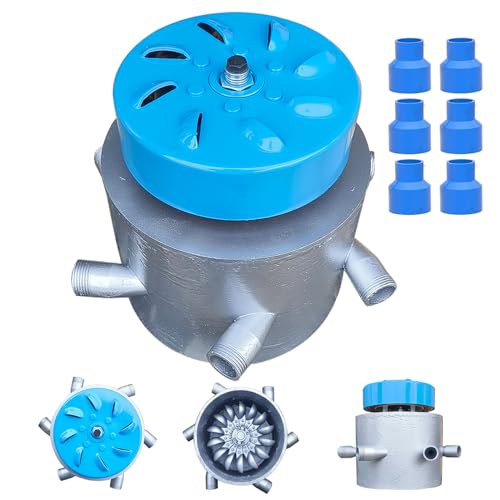
Best for rugged river sections where robust construction matters. This model delivers 3000W at 220V in a compact 10 kg unit, with a thickened aluminum shell and pure copper core coil for efficiency. Its three-phase AC setup suits more demanding off-grid needs and higher current applications. The unit emphasizes water sealing to extend life in wet environments.
Who it’s best for: outdoor enthusiasts, off-grid cabins, and remote workshops needing a mid-to-high power generator from flowing water. Caution: installation requires a steady water source and proper inlet/outlet setup to prevent water intrusion during operation.
VNATWGOO 50W/100W Water Turbine Generator
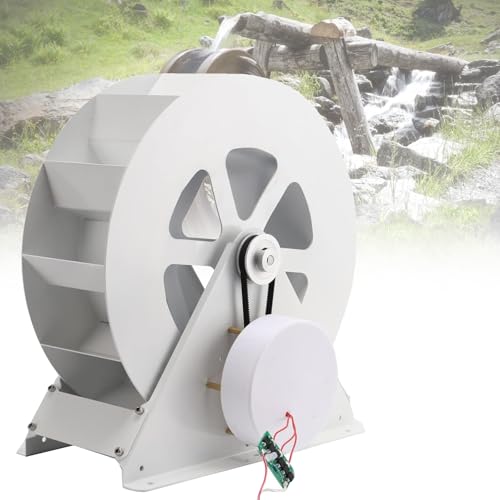
Better for lightweight, portable power projects where water flow is limited. This model’s low power output is still useful for outdoor emergency power, cameras, or basic lighting. Its design emphasizes a quiet belt-driven turbine with corrosion-resistant steel and straightforward installation in ponds or shallow streams.
Best for: campers, emergency kits, and temporary off-grid setups where portability outweighs high power. Choose this if you’re prioritizing quiet operation and simple setup. Limitation: low output means it may not meet higher energy needs for long-term power.
Mdxtog 4KW Hydro Generator

Choose this when you need significant power from a creek or river with a favorable flow. It is a single-phase micro hydro generator with pure copper winding, delivering solid performance for lights, pumps, and basic home-appliance loads in remote areas. Its compact footprint supports flexible mounting options.
Best for: small off-grid homes or cabins where a stable, moderate-to-high output is required. Caution: single-phase output may limit compatibility with three-phase systems without additional equipment.
WYDDDARY 10KW Hydro Power Generator

Best for high-head, low-flow rivers where larger scale, steady power is needed. This Pelton-turbine-based system integrates automatic voltage regulation and leakage protection, reducing manual adjustments. Its high output makes it suitable for off-grid homes with significant energy demands or small business applications in remote locations.
Limitation: installation and ongoing maintenance may require more technical expertise due to higher system complexity and size.
KEROVYNTA 5000W Kaplan Turbine

Best for reliable, multi-use power in low-head environments. The 5000W Kaplan turbine offers a flexible output with permanent magnet copper generator options, supporting both single-phase and three-phase configurations. Its blade design optimizes startup at lower water flow while maintaining stable power. It’s a strong choice for rivers and irrigation channels needing dependable energy.
Limitation: higher head requirements or flow management may be necessary to achieve peak performance; ensure site water dynamics align with the unit’s design range.
Buying Guide: Key Purchase Considerations
- Power needs: Assess daily energy consumption and peak loads. Higher wattage models suit continuous heavy use; smaller units cover lighting and charging needs.
- Water head and flow: Turbine efficiency depends on head height (vertical drop) and flow rate. Pelton-type units excel with high head, while Kaplan and axial-flow designs work well with moderate head and higher flow.
- Output type: Choose single-phase vs. three-phase based on your electrical system. Off-grid cabins may benefit from three-phase options for balanced loads.
- Durability: Look for corrosion-resistant casings, sealed housings, and reliable bearings for outdoor environments near water.
- Maintenance: Consider ease of access for cleaning and parts replacement. Simpler designs often require less ongoing maintenance.
- Portability vs. capacity: Portable units suit temporary setups; larger units require secure mounting and robust water access.
- Installation considerations: Ensure safe inlet/outlet water lines, proper electrical grounding, and compliance with local regulations for off-grid power systems.
FAQ
- What is the best river water turbine for high power? Answer: Models like WYDDDARY 10KW and KEROVYNTA 5000W offer higher output and are designed for stronger river conditions, making them suitable for larger off-grid needs.
- Do these units require professional installation? Answer: Installation complexity varies by model; larger systems may require electrical and hydraulic expertise to ensure safe integration and proper water management.
- Can a single turbine supply a home? Answer: It depends on power requirements. High-output turbines can power essential loads in off-grid homes, but you may need energy storage or supplementary sources for full-home operation.
- What maintenance is needed? Answer: Regular inspection of seals, bearings, and wiring; keep water intakes clean; monitor electrical connections for corrosion and wear.
- Are these safe for remote cabins? Answer: Yes, many are designed for outdoor use, with sealed components to resist moisture and long service life in rugged environments.
- Is three-phase output better for off-grid use? Answer: Three-phase systems support higher power distribution and can reduce line losses in multi-load configurations, but require suitable equipment to utilize.