Best Residential Wind Power Generators for Home Energy Independence
Answering the demand for clean, reliable backyard power, this guide highlights top residential wind power generators ideal for homeowners, cabinowners, RV enthusiasts, and small off-grid setups. Each option is evaluated for ease of use, compatibility with common home electrical systems, and performance in typical home wind environments. The list favors units with easy MPPT controllers, low-start wind speeds, and quiet operation to suit living spaces and noise-sensitive areas.
Summary of selected products
| Product | Best For | Key Benefit | Limitations |
|---|---|---|---|
| Fablestoryem 14000W Wind Turbine Kit | High-capacity home energy users | Low wind start, vertical design, quiet | Higher upfront cost |
| Automaxx Windmill 1500W 24V Kit | Small to mid-size off-grid setups | Bluetooth MPPT with safety features | Moderate footprint |
| 20000W Vertical Axis Wind Turbine Kit | Larger residential or small commercial needs | Vertical blades with nylon design | Higher installation needs |
| 800W Horizontal Wind Turbine Kit (pofluany) | Urban or dense-property lots | Low wind start, compact footprint | Tower pole not included |
| VEVOR 12V-500W Wind Turbine Kit | Basic off-grid or RV use | MPPT controller, 2.5 m/s start | Lower power ceiling |
Fablestoryem 14000W Wind Turbine Kit
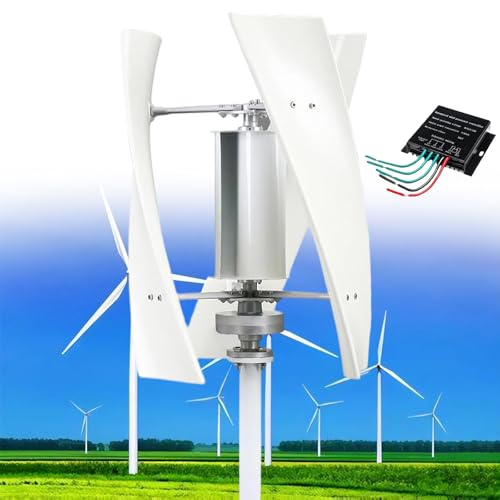
This vertical wind turbine is designed for year-round residential energy needs. It uses reinforced nylon fiber blades with an aerodynamic shape to capture wind efficiently in 360° without a yaw system. It starts generating power at low wind speeds and is optimized for quiet operation, making it suitable for homes, rooftops, or decorative installations along roads.
Homeowners pursuing high-capacity wind power with a focus on quiet operation and resilience in varied wind conditions.
Why selected: The vertical design reduces noise and simplifies installation for residential sites while offering extended temperature tolerance from -40°C to 80°C, enabling year-round use. This model is advantageous where wind direction is inconsistent or where a yaw mechanism would complicate setup.
Caution: Large-capacity systems require proper mounting structure and electrical integration; ensure compatibility with your storage and inverter equipment.
Automaxx Windmill 1500W Kit
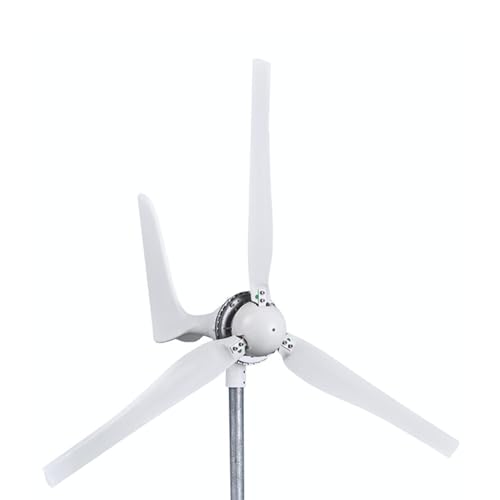
This 1500W kit targets reliable energy for modest off-grid setups, with a low cut-in wind speed of 2.5 m/s and a digital MPPT controller. The system includes a dual braking approach and Bluetooth-enabled monitoring for proactive management. It’s a strong candidate for small homes, farms, or remote cabins needing steady DC power for lights, appliances, and communication devices.
Best for: Small households or remote properties that want a scalable, easy-to-monitor wind solution with strong safety features.
Why selected: The kit’s low wind-start capability helps maximize energy capture in gentle-average winds typical of coastal or inland areas, while the MPPT controller helps optimize output as wind varies. Consider this if you plan to expand storage later.
Caution: Ensure structural support and wiring are rated for the system’s electrical output; installation may require professional help for larger configurations.
20000W Vertical Axis Wind Turbine Kit
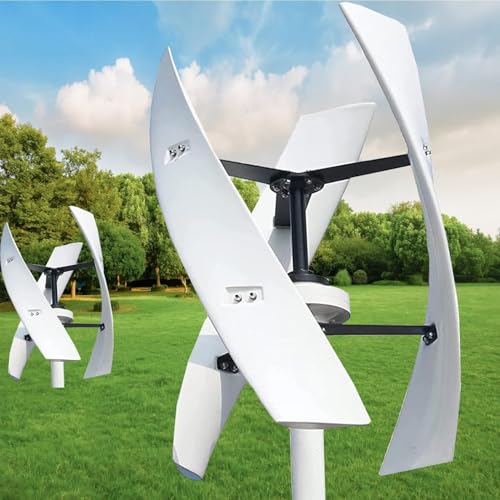
This high-output vertical turbine targets larger residential or small commercial energy needs. The nylon-fiber blade design and vertical axis configuration support efficient wind capture with reduced yaw requirements. The kit is suitable for properties with consistent wind exposure and where a higher energy footprint is desired for heating, cooling, or storage systems.
Best for: Homes or small facilities seeking substantial wind power capacity without expansive horizontal turbine space.
Why selected: The elevated power rating enables meaningful energy contributions in wind-rich locations and complements other renewable sources like solar for a balanced grid-independent setup.
Caution: Installation and electrical integration can be more complex than smaller turbines; verify site wind data and structural mounting capabilities before purchase.
800W Horizontal Wind Turbine Kit (pofluany)

This compact horizontal turbine starts at 1.0 m/s, making it suitable for homes in moderate wind areas. It includes a built-in controller and three-phase generator with a focus on low-noise operation and reliability for domestic installations, RVs, or small cabins. It’s a practical choice when space is limited and you want a straightforward setup.
Best for: Urban or limited-space properties needing a quiet, easy-to-install wind option with reasonable power output.
Why selected: The low-start wind speed ensures energy capture early in the day, which is helpful for reducing reliance on other power sources in daily cycles.
Caution: Note that the tower pole is not included, so plan for an appropriate mounting system and safety clearances during installation.
VEVOR 12V-500W Wind Turbine Kit

This 500W kit targets basic off-grid needs with an MPPT controller and 12V system. It’s well-suited for small cabins, RVs, or boats where moderate wind support is available. The system emphasizes energy efficiency and reliable operation in a compact footprint.
Best for: Budget-conscious off-grid setups, lightweight camping or boating applications where modest, steady wind power is sufficient.
Why selected: The MPPT controller adapts to wind variability, helping maximize energy extraction in varied conditions without overcomplicating the installation.
Caution: Power ceiling is lower; evaluate daily energy needs to ensure this unit meets essential loads while planning for storage or solar supplementation.
Buying Guide
- Wind speed and site assessment: Start-up speed and rated wind speeds determine how much energy you’ll harvest. Choose a turbine with a start-up speed that matches your average wind environment.
- Controller and safety features: An MPPT controller helps optimize output and protect equipment. Look for over-speed, over-voltage, and emergency stop protections, especially in exposed locations.
- Vertical vs. horizontal design: Vertical turbines tend to be quieter and fit closer to structures, but may have different maintenance needs than horizontal models. Consider noise tolerance and mounting space.
- Power needs and scalability: Calculate daily energy usage to select a turbine that meets peak loads with room to grow. MPPT-enabled models are easier to scale with additional storage.
- Installation considerations: Mounting height, pole or roof compatibility, weatherproofing, and wiring requirements affect performance and safety. Some kits require professional installation.
- Durability and materials: Nylon fiber blades and corrosion-resistant housings enhance longevity in varied climates. Temperature tolerance matters for year-round operation.
Frequently Asked Questions
- What is the best wind turbine for a small off-grid cabin? A compact turbine with a low start-up speed, MPPT controller, and durable construction suits off-grid cabins best, especially when space is limited.
- Do vertical turbines generate as much energy as horizontal ones? They can, depending on wind resources and design; vertical turbines usually offer quieter operation and easier mounting but may have different efficiency profiles.
- Is an MPPT controller necessary? It improves energy capture by adjusting to wind conditions, which is beneficial for most home wind setups, especially where wind is variable.
- Can I install a wind turbine on my own? Small kits may be DIY-friendly, but larger systems or roof installations typically require professional help to ensure safety and code compliance.
- How much energy can I expect from a 500W turbine? Output depends on wind; average daily production is limited by wind availability and the system’s electrical load.
- What maintenance is needed? Regular inspections for blade wear, bearing condition, and electrical connections help maintain efficiency and prevent failures.