Best Residential Electric Tankless Water Heaters for on-Demand Hot Water
Choosing a residential electric tankless water heater can reduce energy use while providing continuous hot water. This guide reviews five leading options, highlighting capacity, power requirements, installation notes, and smart features. Learn how each model performs for typical family needs and how to match a heater to your home’s electrical system.
Summary of selected products:
| Product | Brand | Approximate Output | Key Considerations |
|---|---|---|---|
| WINTEMP 36kW Tankless Electric Water Heater | WINTEMP | Up to 8.7 GPM | High power draw; multiple breakers required; WiFi control |
| Rheem RTEX-24 24kW | Rheem | Up to 4.4 GPM | Requires substantial electrical capacity; self-modulating |
| Westinghouse APOLO-14kW 240V | Westinghouse | Up to 3.38 GPM | Smart WiFi control; compatible with single 60A DP breaker |
| Rheem RTEX-24 24kW (Alternate Entry) | Rheem | Up to 4.4 GPM | Same model family with robust features; high power use |
| ECOTOUCH 14kW 240V | ECOTOUCH | Up to 3.38 GPM | Self-modulating; 14kW, 240V; external requirements noted |
WINTEMP 36kW Tankless Electric Water Heater
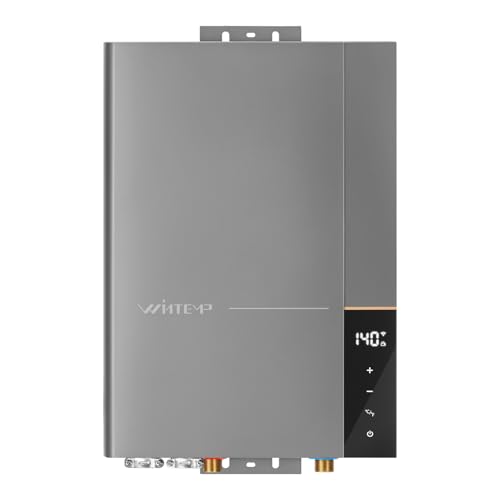
The WINTEMP 36kW model operates at 240V with a maximum current draw of 150A. It requires four 40 Amp double-pole breakers and four 8 AWG conductors with ground, plus a robust 300A household service is recommended. This unit provides up to 8.7 gallons per minute, suitable for whole-house use and simultaneous showers. The device features a 3/4″ water connection and a LED temperature display for real-time monitoring. Its self-regulating, energy-saving design adapts to flow and incoming water temperature to stabilize output and minimize energy use, delivering significant efficiency gains for households with multiple hot-water points.
Key considerations: installation compatibility with your electrical service, proper breaker sizing, and appropriate wire gauge are essential. The unit’s high output suits larger homes or scenarios with several simultaneous hot-water demands, but the power requirements demand careful electrical planning and potentially a licensed electrician to ensure safe, code-compliant wiring.
Rheem RTEX-24 24kW 240V Electric Tankless Water Heater

The Rheem RTEX-24 delivers continuous hot water with a 24kW heating capacity at 240V. It uses durable copper immersion elements and a field-serviceable design. An external digital thermostat with an LED display maintains temperature with +/-1 degree accuracy, and self-modulation helps adjust power to meet demand. With a recommended maximum flow of about 4.4 GPM, the unit supports typical whole-home use in moderate climates or smaller homes, especially when water temperature is not severely cold. Electrical requirements call for three 40-amp double-pole breakers and a capable service panel.
Considerations include ensuring your home’s electrical system can support multiple high-amps circuits, confirming adequate space in the breaker panel, and understanding how water temperature and flow impact temperature rise at your location. Regular maintenance and access to service in case of components wear are practical factors for longer-term reliability.
Westinghouse APOLO-14kW 240V Smart WiFi Tankless Water Heater
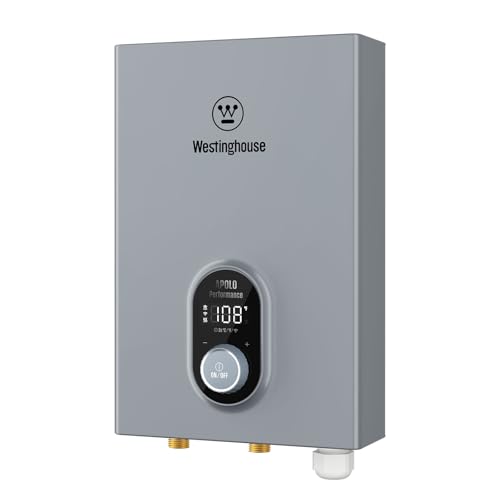
The Westinghouse APOLO-14kW is a 240V smart tankless heater with WiFi compatibility for remote control via a mobile app or voice assistants like Alexa and Google Home. It’s ETL certified and offers a 0.5 GPM activation flow with an amperage around 59A, designed to work with a single 60A double-pole breaker and a 6 AWG wire. With 1/2″ NPT water connections, it provides instant hot water for a typical shower plus a sink, helping minimize temperature fluctuations and waiting times. Real-time LED status display supports monitoring and adjustments from anywhere in the home.
Smart connectivity and straightforward electrical requirements make this model appealing for mid-sized households seeking modernization without extensive rewiring. However, actual flow performance depends on incoming water temperature and simultaneous hot-water demands across fixtures.
Rheem RTEX-24 24kW 240V Electric Tankless Water Heater (Alternate Entry)
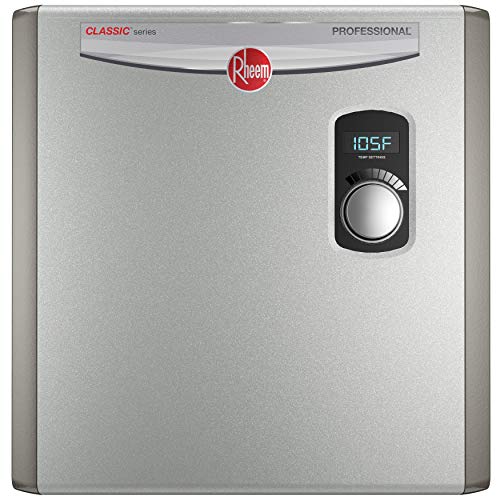
This entry mirrors Rheem’s RTEX-24 model with identical 24kW, 240V specifications and a focus on continuous hot water. It emphasizes easy on/off control, a digital temperature display with 1-degree increments, and a self-modulating power profile to meet demand while conserving energy. As with the primary RTEX-24, installation relies on adequate electrical service—typically a robust panel and proper circuit protection. Expect a maximum flow in the range of 4.4 GPM, with performance influenced by geographic water temperature and fixture usage patterns.
Practical considerations include ensuring electrical compatibility, adequate space for installation, and the need for periodic checks of the electrical connections and heat exchanger area to sustain optimal performance over time.
ECOTOUCH 14kW 240V Tankless Water Heater

The ECOTOUCH 14kW 240V tankless unit is rated for up to 3.38 GPM and uses self-modulating technology to adjust power based on demand. It requires a 60A double-pole breaker and 6 AWG wire, with 1/2″ NPT water connections. This compact, 14kW model is suitable for two to three point-of-use fixtures or a small home scenario where space is a premium. It delivers instant hot water and minimizes temperature fluctuations by modulating heat output as needed. The unit’s safety features include standard overheat protection and proper insulation to reduce standby losses.
When selecting ECOTOUCH, consider your climate and hot-water habits. In colder climates or larger homes, higher-output models may be necessary to sustain multiple simultaneous demands. Installation quality, electrical capacity, and proper venting (if applicable) influence overall performance and reliability.
Buying Guide: Key Purchase Considerations
- Electrical capacity and service: Most high-output models require multiple breakers and large gauge wiring. Confirm your home’s service is capable of handling the setup without compromising other appliances.
- Flow rate vs. temperature rise: The usable GPM depends on incoming water temperature. Colder climates demand higher power to achieve the same hot-water output as milder climates.
- Self-modulating technology: Models that adjust heat input based on demand can reduce energy use and prevent oversupply, improving efficiency in daily use.
- Installation footprint: Tankless units vary in size. Ensure adequate space, ventilation (where required), and accessible service points for maintenance and repairs.
- Smart features: WiFi or app-based controls offer remote monitoring and temperature management, which can add convenience and energy awareness for households with multiple users.
- Electrical safety and compliance: Hiring a licensed electrician to install and verify connections, breakers, and grounding ensures safety and code compliance.
- Reliability and serviceability: Look for models with readily available replacement parts and service support in your area, especially for copper immersion elements and digital controls.