Best Rechargeable Lights for Power Outages and Emergencies
Power outages can strike without warning. The right rechargeable lighting can keep your home safe and comfortable when the lights go out. This guide highlights reliable rechargeable lighting options designed for outages, camping, and emergency readiness, with five top picks and a practical buying guide to help you compare features like battery life, brightness, and charging options.
| Product | Brand | Type | Key Benefit |
|---|---|---|---|
| GE LED+ Backup Battery LED Light Bulbs | GE | Rechargeable Light Bulbs | Built-in flashlight mode and 650-lumen output during outages |
| Energizer Weatheready Rechargeable Flashlights | Energizer | Plug-in Rechargeable Flashlights | Outlet-powered charging with retractable prongs |
| ROSSEX 4 in 1 Emergency Lights | ROSSEX | Rechargeable Wall Plug-in Lights | Automatic turn-on during outages; multi-function |
| 2 Pack Camping Lanterns USB Rechargeable | EZORKAS | LED Lanterns | 4 modes; USB-C recharge and battery backup |
| Neporal 4 Pack Emergency Light Bulbs | Neporal | Rechargeable Light Bulbs | 4 bulbs with hooks; portable power cap |
GE LED+ Backup Battery LED Light Bulbs

GE’s LED+ backup bulbs combine everyday illumination with emergency preparedness. These A21 screw-in bulbs charge during normal use and automatically stay on during a power outage. They offer up to 5 hours of 650-lumen light when fully charged, and a unique flashlight mode by switching the bulb to flashlight operation. Designed for practical outages, they serve as a direct replacement for standard 65-watt bulbs while providing standby light when mains fail. The dual-function design makes them suitable for homes, kitchens, and hallways, improving safety during storms and outages.
Energizer Weatheready Rechargeable Flashlights

These compact, plug-in rechargeable flashlights from Energizer are designed for quick access during outages. The plug-in design fits standard outlets, and retractable prongs enable easy charging and portability as flashlights. They are built for durability with impact resistance up to 1 meter, making them suitable for emergency kits, hurricane supplies, and power-outage scenarios where reliable, immediate illumination is needed.
ROSSEX 4 in 1 Emergency Lights

ROSSEX offers a 3-pack of rechargeable LED flashlights that plug into a wall and automatically power on during outages. Their 4-in-1 design functions as an emergency light, a standard flashlight, a night light, and a small lamp, making them versatile for kitchens, hallways, basements, and garages. The built-in rechargeable battery simplifies charging and readiness, ensuring you have light when you need it most.
EZORKAS 2 Pack Camping Lanterns
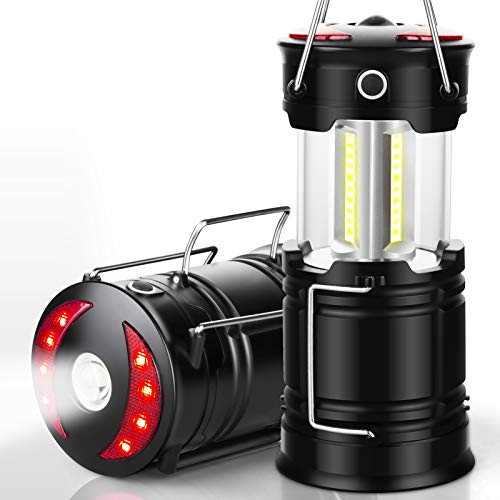
EZORKAS lanterns combine USB-C rechargeable power with enclosed battery operation for versatile outages and outdoor use. The lantern provides 360-degree COB LED brightness and multiple modes, including a flashlight and red SOS warning. They accept USB charging and also use 3 AA batteries as a backup, offering redundancy when power is scarce. The durable, water-resistant design is suitable for camping and home emergencies alike.
Neporal Emergency Rechargeable Light Bulbs

Neporal’s light bulbs function as standard LED bulbs while charging themselves, providing emergency lighting for power outages. The package includes four bulbs with portable hooks and a cap that doubles as a small flashlight. Each bulb features a 1200 mAh battery, delivering 4–5 hours of light during outages. The kit is well-suited for hallways, basements, or any room that benefits from built-in backup lighting without extra equipment.
Buying Guide: Key Considerations For Choosing Rechargeable Outage Lighting
- Battery capacity and runtime: Look for mAh ratings and lumen output to estimate how long and how bright the light will be during outages. Higher capacity generally offers longer backup illumination, but check real-world performance claims.
- Power source and charging flexibility: Prefer options that charge from household outlets, USB, solar when available, or that can run on replaceable batteries. Redundancy matters in prolonged outages.
- Brightness and beam pattern: Decide between area lighting (lanterns or bulbs with wide dispersion) and targeted task lighting (flashlights). Some devices offer multiple modes for different scenarios.
- Durability and weather resistance: For outdoor use or storms, choose water-resistant or rugged designs with impact resistance and sealed electronics to survive moisture and rough handling.
- Ease of use and installation: Bulbs should fit standard sockets; lanterns and flashlights should be straightforward to operate with simple switches or automatic triggers during outages.
- Size and portability: Compact units are easy to stash in emergency kits, but larger lanterns may provide better room illumination. Consider where you’ll deploy the light most often.
- Cost of ownership: Compare upfront costs with expected battery life and replacement parts. Rechargeable bulbs reduce ongoing candle-like costs but verify battery lifespan.
- Versatility: Multi-function devices that serve as normal lighting and emergency lighting (auto-on, flashlight mode, night light) deliver value beyond outages.
How To Choose For Your Home
For a standard home, a mix of bulb-based backup lighting and portable lanterns often balances convenience with reliability. If you prioritize minimal clutter and straightforward operation, consider backup bulbs that screw into existing fixtures for seamless integration. For larger spaces or off-grid areas, multi-mode lanterns and plug-in flashlights provide flexible coverage, emergency charging capability, and quick deployment during storms or power failures.
Safety and Maintenance
Inspect devices regularly to ensure they hold a charge and verify that plug-in charging components remain intact. Keep backup lighting in accessible locations without obstructing escape routes. Replace batteries per manufacturer recommendations and dispose of old cells according to local guidelines.
Overall, selecting reliable rechargeables involves balancing runtime, brightness, and convenience. The five picks above cover a range of use cases—from fixed-bulb backups to portable lanterns—so you can tailor your power-outage readiness to your home and lifestyle.