Best Rechargeable 120V Power Sources for Home, Travel, and Emergencies
Looking for a reliable rechargeable 120V power source to run essential devices on the go or during outages? This guide highlights five top options, explains who each is best for, and helps you compare features like power output, available outlets, and recharge methods. These picks suit campers, travelers, remote workers, and families seeking portable backup power with safe electrical characteristics.
Buyer’s quick reference table is provided below for fast scanning of key details.
| Product | Output (AC / DC / USB) | Capacity | Best For | Note |
|---|---|---|---|---|
| Powkey 200W Portable Power Bank | 2x110V AC, USB ports, DC port | 146Wh | Short outdoor trips, home office backups | Pure sine wave; under 200W total load |
| Powkey 65W Portable Power Station | 110V AC, USB, car input | 88.8Wh | Travel, camping, business trips | Compact and quick recharge |
| MARBERO 120W Portable Power Bank | 120V AC, USB, DC port | 24,000mAh / 24000mAh | Outdoor power outages, hurricane prep | Multiple outputs; compact carry |
| DEBAOBULB Rechargeable Emergency Bulbs | 120V mains, LED output | – | Home outages, camping backups | Integrated battery bulbs; 4–5 hours light |
| GRECELL 500W Portable Power Station | 2x120V AC, USB-A/C, DC, car, wireless | 519.48Wh | RV trips, power-hungry devices, group outages | High capacity with pure sine wave |
Powkey 200W Portable Power Bank With AC Outlet

The Powkey 200W unit provides 146Wh of rechargeable lithium battery power with a pure sine wave 110V AC output. It includes 2 AC outlets, multiple USB ports, and a DC input for recharging. This device is best for short outdoor trips, home office work, or emergency lighting where total continuous load remains under 200W. It suits travelers, campers, and apartment dwellers who need a compact, safer alternative to off-grid generators.
Who it’s best for: outdoor enthusiasts and emergency planners who require a versatile, lightweight backup power source for small appliances and devices. It’s particularly suitable for powering lamps, phones, laptops, and modest consumer electronics during outages.
Why selected: Its 146Wh capacity and pure sine wave output provide cleaner power for sensitive electronics, while the 5–6 hour recharge time supports quick readiness between uses.
Caution: Keep total load under 200W; heating devices should stay under 100W to avoid overtaxing the unit.
Powkey Portable Power Station With AC Outlet

This 88.8Wh power station offers a compact design with a 110V/65W AC outlet and multiple charging options, including home AC recharge and a car adapter. It’s aimed at travelers, business travelers, and light-duty users who need mobility and quick recharging in 4 hours via high-speed input. It’s well suited for charging smartphones, tablets, and laptops on the go and can be augmented with solar charging when paired with a compatible panel.
Who it’s best for: travelers and remote workers who value a small yet capable backup power source for essential devices during trips or temporary work locations.
Why selected: Its portability and faster recharge time make it a practical daily carry for low-watt appliances and mobile work setups.
Caution: Not designed for high-wattage devices; best for small electronics and charging needs under 65W continuous load.
MARBERO 24000mAh Portable Power Bank With AC Outlet
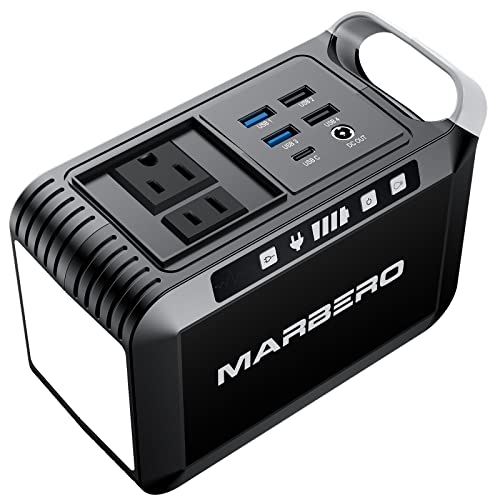
The MARBERO unit packs a 24,000mAh capacity with 120V AC, multiple USB ports, and a DC port. It’s positioned for outdoor use, hurricane emergencies, and home backup power where a higher-peak performance is not required. The device is compact for travel and provides a robust mix of charging options for phones, tablets, cameras, radios, and small fans.
Who it’s best for: outdoor enthusiasts and families needing steady multi-port charging with a dedicated AC outlet during outages or camping trips.
Why selected: Its broad I/O options and relatively high capacity make it a flexible everyday carry for low-to-mid wattage electronics while staying portable.
Caution: Peak output reaches about 120W; avoid running heavier appliances like full-size refrigerators or high-wamp devices for extended periods.
DEBAOBULB Rechargeable Emergency Light Bulbs (6 Pack)

These rechargeable emergency light bulbs provide 120V mains compatibility and 6000K daylight illumination. Each bulb recharges for daily use and can light up for 4–5 hours during outages. They are ideal for homes that want a simple, integrated backup lighting solution without extra lanterns or candles.
Who it’s best for: households seeking a plug-and-go lighting backup that doesn’t require separate battery packs or lamps, especially in power outage-prone areas.
Why selected: The combination of integrated battery capability and high-energy-efficiency lighting reduces the need for disposable lighting alternatives during outages.
Caution: Light output is steady but limited to 800 lumens per bulb; plan for sufficient lighting coverage with multiple bulbs if needed.
Philophca 350W Portable Inverter

This inverter converts 20V Dewalt Li-ion batteries into 110V AC power, delivering up to 350W continuous with a 110V outlet and a USB-C port for fast charging. It’s designed for camping, roadside emergencies, and tailgating, leveraging existing battery reserves in power tools or portable packs.
Who it’s best for: DIYers and campers who already own compatible Dewalt batteries and want a compact, battery-powered AC solution for light appliances or tools.
Why selected: The ability to run 110V devices from a familiar battery system adds flexibility to existing tool setups while keeping the footprint small.
Caution: Rated at 350W, avoid load beyond capacity; ensure connected devices stay within the safe operating range.
GRECELL 500W Portable Power Station

The GRECELL solar generator offers 519.48Wh of capacity with pure sine wave AC outlets and a broad array of outputs: 2x120V AC, USB-A, USB-C, DC, car port, and wireless charging. It’s capable of powering multiple devices simultaneously and is positioned for RV trips, camping, and home backup power without gasoline or fumes. The internal BMS provides protection for connected devices.
Who it’s best for: groups or families needing higher power, multiple outputs, and a quiet, fuel-free solution for longer outages or outdoor adventures.
Why selected: The large capacity and diverse output options make it a versatile central power hub for diverse devices beyond basic charging.
Caution: Higher capacity comes with increased weight and size; consider transport needs and storage space for frequent travelers.
Buying Guide: Key Considerations For Rechargeable 120V Power Sources
- Power needs: Estimate total wattage of devices you plan to run. Choose a unit with a comfortable margin above that total to prevent overloading.
- Output options: Look for a mix of AC outlets (prefer pure sine wave for sensitive electronics), USB-C/USB-A ports, DC ports, and car/mains charging compatibility to maximize versatility.
- Battery capacity and runtime: Higher watt-hour (Wh) or milliamp-hour (mAh) ratings translate to longer runtimes, especially for laptops, mini-fridges, or TVs. Balance capacity with weight and portability.
- Recharging methods: Consider units with multiple recharge paths (AC wall, car, solar) and the recharge time. Faster recharge minimizes downtime between uses.
- Portability vs. capacity: Smaller units are easier to carry but may cap max load. Larger units offer more power but require more space and effort to transport.
- Safety features: Look for Battery Management Systems (BMS), overcharge/short-circuit protections, and temperature monitoring to protect devices and the power source.
- Intended environment: For camping and outdoor trips, consider rugged builds, weather resistance, and the availability of solar charging if you’re off-grid.
- Maintenance and replacement: Check for ease of battery replacement, warranty terms, and overall durability for long-term reliability.
Frequently Asked Questions
What is a pure sine wave inverter and why does it matter?
A pure sine wave inverter produces cleaner, smoother power that is safer for sensitive electronics like laptops, TVs, and medical devices, reducing risk of equipment crashes or noise.
How many devices can I safely run on a 500W portable power station?
It depends on the combined load. If your devices total under 500W, they can run simultaneously; always check individual device wattage and the unit’s continuous and peak ratings.
Can these power sources be charged with solar panels?
Many models support solar charging, but check compatibility for specific panels and the required input voltage range. Solar charging can extend uptime in outdoor settings.
Is it safe to power a heating device from these units?
Heating devices typically require higher wattage. Only use heaters or high-watt appliances if the unit explicitly supports the load and stays within continuous wattage limits.
Do these units protect connected devices during power outages?
Most include protective features like overvoltage, overcurrent, and short-circuit protections. Always review each product’s safety notes and usage guidelines.
Which unit is best for travel with a Dewalt battery system?
Inverter models designed to work with existing tools or standard battery packs—such as the Philophca 350W inverter—can be convenient when you already use those batteries.