Best Radon Testing Equipment for Inspectors: Top Tools for Accurate Home Assessments
Radon testing is a critical part of any home inspection, helping professionals identify hidden hazards and guide clients toward safe, data-driven decisions. This article highlights five essential radon testing tools favored by inspectors, covering short- and long-term measurements, lab-processed results, and real-time monitoring. Each pick combines reliability, ease of use, and EPA-recognized standards to support thorough inspections across residential settings.
Summary Of Selected Products
- First Alert Radon Gas Test Kit, RD1 — Brand: First Alert — Simple, EPA-recognized short-term test with included materials and lab fees.
- Ecosense RD200 RadonEye — Brand: Ecosense Inc. — Professional-grade real-time detector with fast initial reading and trend charts.
- Radon Gas Test Kit AccuStar Charcoal Short Term 48-96 Hour — Brand: AccuStar — Easy-to-use short-term test with certified results.
- RadonScreen Radon Detector for Home Test Kit — Brand: Watersafe — EPA-approved detector with lab analysis included.
- Accurate Home Radon Test Kit — Brand: LAB-PRO — EPA-certified, dual detectors, all-inclusive lab fees.
First Alert RD1 Radon Gas Test Kit
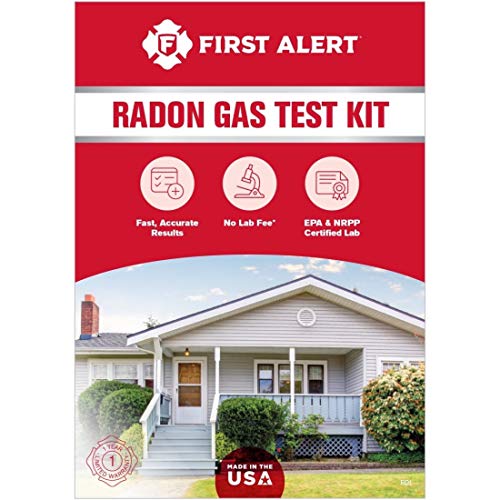
The First Alert RD1 represents a straightforward, inspector-friendly radon test option. It is listed under the EPA radon gas measurement proficiency program and includes the test materials plus lab fees, with optional state-specific NJ fees in applicable regions. Its simplicity supports quick deployment in many properties, while still delivering credible laboratory analysis for documented results. This kit is well-suited for preliminary screening in client homes and rental units where rapid confirmation is valuable.
Key considerations for this option include ease of use, clear lab-processing steps, and adherence to EPA proficiency standards. As a proven entry point for radon assessment, it pairs well with broader inspection workflows that require a basis for recommending mitigation or additional testing. While not a long-term continuous monitor, it serves as a dependable baseline for immediate hazards and reporting.
Ecosense RD200 RadonEye Home Digital Radon Detector

The Ecosense RD200 RadonEye brings professional-grade performance to inspectors who need rapid, precise readings and a digital trail of results. With a first reading within about ten minutes, it captures fluctuating radon levels quickly and provides trend data through Smart View radon trend charts. The device features a high-counting efficiency of 30 counts per hour per picocurie per liter, leveraging patented ion chamber sensor technology for accuracy. This detector supports inspectors who require real-time awareness of changing indoor air quality and the ability to present concrete trend visuals to clients.
Considerations for this model include the value of immediate feedback in fieldwork, the necessity of calibration and maintenance, and how digital trend data integrates with standard reporting formats. While it excels in continuous monitoring and visualization, inspectors should also plan for calibration checks and potential cross-verification with lab-based samples when compiling official inspection reports.
Radon Gas Test Kit AccuStar Charcoal Short Term 48-96 Hour

The AccuStar charcoal-based short-term test kit is a pragmatic option for inspectors seeking quick, certified results. Designed for screener use to identify elevated radon levels over a 48- to 96-hour window, it provides a reliable snapshot that informs early mitigation discussions. Its straightforward operation and recognized certification support consistent documentation across houses, especially when multiple properties are evaluated in a short period.
Consider inspectorial workflows where limited occupancy or time constraints demand rapid turnaround. This kit functions well alongside other measurements, enabling a layered approach to radon risk assessment. It may be combined with longer-term or continuous monitors for a comprehensive overview, depending on client needs and property characteristics.
RadonScreen Radon Detector Kit by Watersafe

The RadonScreen kit is designed for homeowners and inspectors who want an EPA-approved detector with included lab analysis. The kit uses activated charcoal to collect samples for laboratory evaluation, and it emphasizes an easy setup and a clear testing process. Lab processing is included, removing additional steps for the field professional. This approach is particularly useful for inspectors presenting a formal report to clients who require lab-verified results alongside in-field observations.
Accurate Home Radon Test Kit — EPA Certified

The LAB-PRO Accurate Home Radon Test Kit combines EPA-certified standards with dual detectors to offer a thorough short-term assessment. The kit includes a comprehensive lab fee and returns a lab-processed result, making it a strong option for inspectors who need robust, auditable data in a relatively compact test package. The dual-detector approach helps increase reliability and reduces false negatives, particularly in environments with variable airflow or intermittent radon spikes.
Buying Guide: Key Purchase Considerations For Inspectors
Choosing the right radon testing equipment depends on project needs, client expectations, and reporting requirements. The following considerations help inspectors compare options across the five products featured here.
- Test duration and purpose — Short-term kits (48-96 hours) are quick, suitable for initial screening, while long-term detectors or continuous monitors provide a full-year picture and trend data. Inspectors often use short-term kits for initial triage and follow up with longer-term devices if elevated levels are suspected.
- EPA and laboratory integration — Look for products with EPA recognition or lab-included analysis. Ensuring that lab processing aligns with local requirements helps maintain report credibility and supports client decisions.
- Real-time vs. laboratory data — Real-time detectors offer immediate feedback and trend visualization, aiding in on-site conversations with clients. Lab-based tests deliver highly validated results but require additional processing time.
- Ease of use and reporting workflow — Consider devices that are simple to deploy, provide clear instructions, and integrate well with standard inspection reports. A device with digital data or easy-to-interpret charts can improve client understanding.
- Cost considerations and logistics — While prices are not listed here, assess total cost of ownership, including test materials, lab fees, calibration needs, and any required return shipping or lab envelopes. Plan for potential repeat testing if results indicate elevated radon levels.
- Regulatory alignment — Ensure the selected equipment complies with local state regulations and testing protocols. EPA-recognized methods and validated analysis support reliable documentation in professional reports.
Comparative Perspectives For Inspectors
- Real-time monitoring vs. discrete tests — Real-time detectors like the Ecosense RD200 provide immediate awareness and trend data, ideal for on-site client discussions. Discrete test kits, such as the First Alert RD1 or AccuStar, deliver validated lab results suitable for formal reporting.
- Field efficiency — Kits with included lab fees and straightforward instructions reduce administrative overhead after fieldwork. Dual-detector options add redundancy and heighten confidence in the results, especially when properties present ventilation complexities.
- Reporting versatility — Combining a rapid on-site detector with a lab-based test creates a robust reporting workflow. Clients receive both instantaneous impressions and scientifically validated results, supporting informed decisions on mitigation.
- Reliability and calibration — Regular calibration, cross-verification with lab results, and adherence to testing timers improve the reliability of findings. Inspectors should maintain a routine for equipment upkeep and documentation in each report.
In summary, the five selected radon testing tools deliver a balanced mix of speed, accuracy, and professional credibility. Inspectors can tailor usage to specific property types and client needs by combining real-time monitoring with lab-verified results. This approach ensures thorough documentation, supports risk assessment conversations, and aligns with industry standards for residential radon testing.