Best Power Station for CPAP: Reliable Off-Grid Battery Backup
For CPAP users, a dependable power station means uninterrupted sleep and peace of mind during outages or outdoor adventures. This article highlights five top-capacity, pure sine wave options that efficiently support CPAP devices, phones, laptops, and essential gear. Each model balances portability with power, safety features, and multiple output ports to cover common CPAP setups and bedside needs.
Summary table of selected products:
| Product | Brand | Capacity (Wh) | Key Outputs | Notable Feature |
|---|---|---|---|---|
| EnginStar Portable Power Station 300W | EnginStar | 296 | 110V AC, 12V/24V DC, USB-C, USB-A | Eight outputs with dual 110V sine wave outlets |
| Jackery Explorer 1000 v2 | Jackery | 1070 | AC, USB-C, USB-A | 1-hour fast charging via app |
| ALLWEI Portable Power Station 300W | ALLWEI | 280 | Two 110V AC, USB-C PD, USB-A, DC ports | Three recharge methods including solar |
| EHOM EP350 299Wh | EHOM | 299 | AC, USB, car outlet | Fast charging up to 300W |
| PROGENY 300W Portable Power Station | PROGENY | 299 | Pure sine 110V AC, car port, USB-C, USB-A | Regulated 12V output for CPAP compatibility |
EnginStar Portable Power Station 300W

EnginStar offers a compact 9 x 5.5 x 7.5 inch body weighing about 6.5 pounds but with a robust 296Wh capacity and 300W AC output. It includes eight output ports to charge multiple devices at once, including two 110V pure sine wave outlets, which helps protect CPAP machines and other sensitive electronics. The unit supports safe charging with an advanced battery management system to guard against short circuits, overcharging, and overloads, and it uses lithium-ion cells designed for many charging cycles.
The dual 110V pure sine wave outlets provide stable power for CPAP devices, while the DC outputs suit car accessories and small appliances. A fast USB-C port and multiple USB-A ports support mobile devices. This model emphasizes portability for camping, emergencies, or travel, making it a practical pick for CPAP users who need reliable standby power.
Jackery Explorer 1000 v2 Portable Power Station

The Jackery Explorer 1000 v2 stands out for high capacity with 1,070Wh and a capable 3,000W surge, supporting CPAPs and heavy appliances during extended outages or off-grid trips. It weighs 23.8 pounds and features a foldable handle for portability. With 1-hour fast charging via an integrated technology and the Jackery App, users can top up quickly. The lithium iron phosphate (LiFePO4) chemistry used in this model offers longevity and better cycle life, commonly lasting many years of regular use.
In terms of CPAP reliability, the Explorer 1000 v2 delivers steady power with multiple outputs, including AC, USB-C, and USB-A, enabling seamless charging of CPAP accessories, phones, tablets, and laptops. Its robust build is appropriate for users needing a longer power reserve for longer travels or harsher outages, though its higher weight is a consideration for frequent portable use.
ALLWEI Portable Power Station 300W
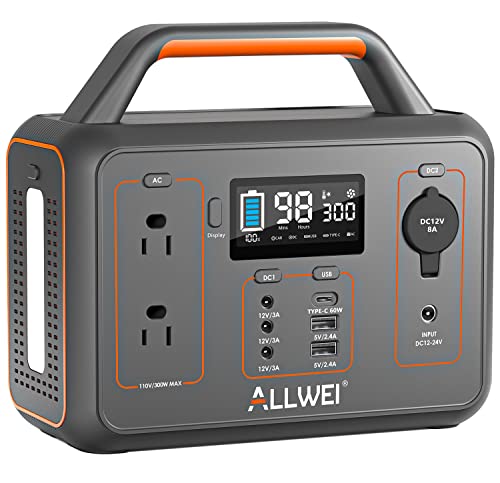
ALLWEI provides a 280Wh rechargeable battery with a 300W rated output, plus 110V pure sine wave AC outlets. Its design emphasizes versatility with three recharging methods: AC wall charging, car charging, and solar panel charging. Recharging efficiency is highlighted with 5.5–6.5 hours on AC, 4.5–5.5 hours by car, and 3–4 hours from a 100W solar panel under good sunlight. The unit supports powering up to nine devices simultaneously, including CPAP units, drones, and laptops, via a mix of USB-C PD, USB-A, and DC ports.
For CPAP users, the built-in MPPT controller aids solar charging efficiency, while the multiple output options ensure you can keep essential devices running in outdoor settings as well as during home backup scenarios. The device’s compact footprint and range of outputs make it a versatile option for light travel and off-grid power needs.
EHOM EP350 Portable Power Station

EHOM’s EP350 delivers 299Wh with a 350W continuous output and a 700W peak, using pure sine wave AC for cleaner power to CPAP machines and other sensitive equipment. It supports three charging methods, including solar input with an MPPT controller, AC charging, and 12V/24V car outlets, enabling flexible recharging on the move. EHOM emphasizes durability with decent cycle life and a fast recharging capability, claiming quick top-ups to keep devices ready in time-sensitive scenarios.
The unit’s compact form factor and multiple outputs provide practical CPAP support in outdoor settings, RVs, or emergency kits. The integration of MPPT solar input helps optimize solar charging efficiency, making it a practical option for users seeking a balance between portability and energy capacity, especially when away from traditional power sources.
PROGENY 300W Portable Power Station
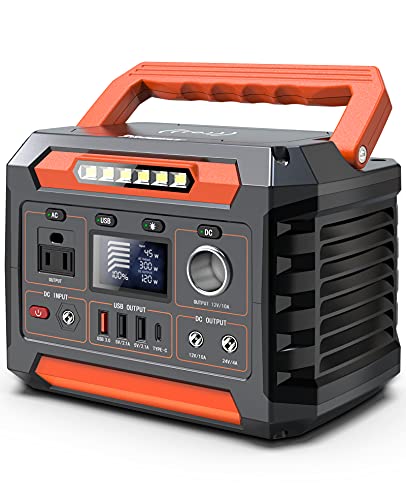
PROGENY presents a compact 299Wh unit with 300W continuous output and a 600W peak. It is notable for its light weight (about 7 pounds) and its regulated 12V DC output, designed to prevent CPAP devices and other equipment from shutting down when the battery level drops. The device includes a pure sine wave 110V AC outlet, a car port, and a set of USB-C and USB-A ports for charging smaller devices. Its pass-through charging capability allows ongoing operation while recharging, making it a strong option for CPAP users who need reliable, on-the-go power with a built-in LED light for campsite use.
As a compact, light power station, PROGENY concentrates on stable 12V output to prevent power interruptions for CPAP fans and other DC devices. The integration of pass-through charging supports quick, continuous use, though some users may prioritize higher capacity for longer trips or minivan-based setups where extended runtime is needed.
Buying Guide: Key Considerations For Choosing A CPAP Power Station
When selecting a power station for CPAP use, consider capacity, output quality, and flexibility. Important factors include:
- Capacity and run-time: CPAP machines vary in power draw. For overnight use, aim for 600–1000Wh in a portable unit, with higher capacities suitable for longer trips or multiple devices.
- Pure sine wave output: Essential for CPAP devices and sensitive electronics to ensure clean, stable power and avoid device glitches.
- Output options: Look for at least two 110V AC outlets, plus USB-C and USB-A ports. A regulated 12V/24V DC output is helpful for DC-powered devices or car adapters.
- Charging options: AC charging, car charging, and solar charging provide flexibility. MPPT controllers improve solar recharging efficiency.
- Weight and portability: Lighter units are easier to transport, but ensure the capacity matches your needs. Consider a model with a comfortable handle and compact dimensions for bedside and travel use.
- Safety and longevity: Battery management systems (BMS), overcharge/short-circuit protection, and long cycle life (LiFePO4 or high-quality Li-ion) reduce risk and extend usefulness.
- Durability and warranty: For outdoor or camping use, rugged construction and a solid warranty offer protection against wear and damage.
In practice, users should align a chosen power station with CPAP device power draw, night duration, and planned usage scenarios (home outage, camping, or RV travel). Some models emphasize ultra-fast recharging or strong solar compatibility, which can be decisive for off-grid plans. Consider whether you need a compact option for portability or a higher-capacity unit for extended off-grid living. Finally, verify that your CPAP’s power adapter and any humidifier components are compatible with the power station’s output specifications.