Best Power Meter Test Equipment for USB and Electric Measurements
Answering the search intent directly: these power meter test tools help buyers measure voltage, current, power, and related parameters across USB, USB-C, and AC outlets. They are best for electronics hobbyists, technicians, and homeowners who want quick, dependable data about charging performance, energy usage, and circuit health. The top five products below balance accuracy, ease of use, and practical features for everyday testing.
| Product | Best For | Key Benefit | Notes |
|---|---|---|---|
| YEREADW USB C Tester Power Meter | USB-C devices and PD testing | Wide 4-30V range and 12A high-current terminal | Supports PD2.0/3.0, QC, VOOC and more |
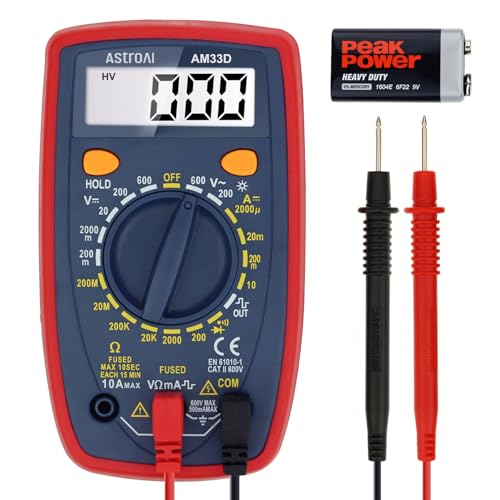
| AstroAI Digital Multimeter Tester | General electrical troubleshooting | AC/DC voltage, current, resistance, continuity | Helpful for home and garage projects |
| Klein Tools 69149P Electrical Test Kit | Professional electrical work | Multimeter + non-contact tester + outlet tester | CAT safety features included |
AstroAI Digital Multimeter Tester 2000 Counts
YEREADW USB C Tester Power Meter

KLEIN TOOLS 69149P Electrical Test Kit

Upgraded Watt Power Meter Plug by MECHEER
KAIWEETS Electrical Test Kit KIT01

Product Highlights
The following sections summarize each product’s suitability, based on the listed features. Each item is presented with practical guidance on who should choose it and why, plus one minor limitation to consider.
YEREADW USB C Tester Power Meter
Best for: USB-C device testing enthusiasts and 3C gadget users. This meter measures 4-30V and up to 12A, making it suitable for chargers, power banks, and PD-based devices. The device supports PD 2.0/3.0, QC, and Super VOOC, enabling broad compatibility with fast-charging protocols. It emphasizes measurement accuracy (±(1%+5)) and stability with a 12A terminal.
Why selected: It provides a wide voltage range and high-current capability, which helps detect charging performance across a spectrum of USB-C devices. The comprehensive charging protocol support makes it a versatile pick for digital gamers and electronics enthusiasts.
Caution: The device’s accuracy is specified with a fixed error margin; use multiple measurements in varying conditions for critical calibrations.
AstroAI Digital Multimeter Tester
Best for: Home wiring, automotive troubleshooting, and everyday electrical fixes. It measures AC/DC voltage, current, resistance, and diode with a backlit display and 1999-count resolution. It’s a practical all-rounder for hands-on projects in garages and workshops.
Why selected: It covers common measurement needs in one tool, aiding quick diagnosis of outlets, fuses, batteries, and charging systems. The unit’s backlit LCD helps work in dim environments, enhancing readability.
Caution: It has limitations with certain low AC voltage measurements and requires careful lead connection as noted in the manual.
Klein Tools 69149P Electrical Test Kit
Best for: Electricians and HVAC professionals needing a multi-tool kit. The kit combines a digital multimeter, a non-contact voltage tester, and an outlet tester, providing a broad testing suite in one purchase.
Why selected: The addition of a non-contact tester and an outlet tester supports quick location of live wiring and outlet faults, while the multimeter handles standard voltage, current, and resistance tests.
Caution: The kit’s safety features rely on proper usage; follow CAT ratings and manufacturer instructions for high-energy environments.
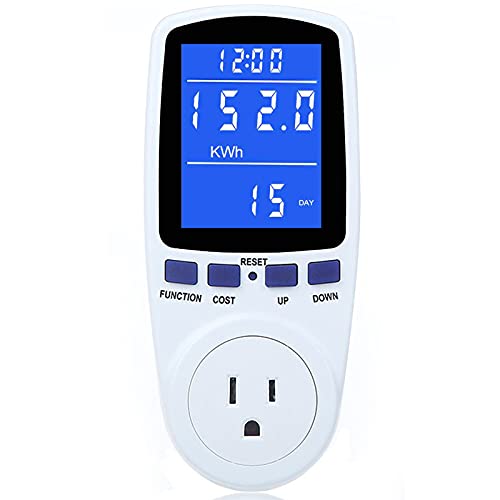
Upgraded Watt Power Meter Plug by MECHEER
Best for: Home energy monitoring and routine appliance usage tracking. This meter displays power in watts, energy in kWh, volts, amps, frequency, power factor, and cost estimates across seven display modes. A large backlit LCD improves readability in various lighting conditions.
Why selected: Its seven display modes and extended data history help users understand electricity usage patterns and estimate costs over time. The adjustable backlight time adds flexibility for different viewing preferences.
Caution: Long-term accuracy varies with voltage stability and load type; consider periodic cross-checks with a dedicated meter for critical measurements.
KAIWEETS Electrical Test Kit KIT01
Best for: Electricians and DIYers who want a complete diagnostic set in one kit. It includes a digital multimeter, a smart non-contact voltage tester, and a GFCI outlet tester in a carrying case with batteries.
Why selected: The trio covers essential diagnostic tasks—from voltage and current to live voltage detection and outlet integrity—reducing trips to the truck for additional tools. The kit is designed for efficiency in electrical work.
Caution: Safety ratings and tool reuse depend on following CAT safety guidelines; verify the use scenario aligns with the tool’s rated protections.
Buying Guide: Key Purchase Considerations
What should I look for when buying a power meter test tool?
- Measurement range and accuracy: Choose meters with voltage and current ranges that cover your typical devices. Look for explicit accuracy specs and error margins.
- Protocol support: For USB-C PD, QC, VOOC, and other fast-charging standards, ensure the meter supports the protocols you test with.
- Display and data logging: A clear LCD, backlight, and data storage capabilities help you review measurements later. Consider auto-off features to save battery during long sessions.
- Safety ratings: CAT safety levels (e.g., CAT III/CAT IV) indicate suitability for certain electrical environments. Use tools within rated safety limits for user protection.
- Form factor and accessibility: Compact meters are portable for field use, while kits with multiple tools provide versatility for professional work.
- Compatibility: For USB-C testing, verify compatibility with the devices and chargers you commonly use, including power banks and charging docks.
FAQ
- What is a power meter tester best for? It’s best for measuring electrical values such as voltage, current, power, and energy for USB, USB-C, and AC outlets, helping users verify charging performance and energy usage.
- Can I use a USB-C meter for PD testing? Yes, if the meter supports PD 2.0/3.0 and related fast-charge protocols.
- Is a non-contact voltage tester necessary? It’s useful for quickly identifying live circuits and improving safety during electrical work.
- Should I rely on a single tool for all measurements? For comprehensive testing, a kit that includes a multimeter, a non-contact tester, and an outlet tester often provides the best coverage.
- How important is the display size? A larger, backlit display improves readability in dim or bright environments, aiding accurate recording of measurements.
- What is the risk of inaccurate readings? Always cross-check critical measurements and follow the manufacturer’s guidance to avoid misinterpretation, especially for high-energy devices.