Best Portable Solar Wind Power Generators for on-the-Go Power
Answering the demand for reliable off-grid power, this guide compares top portable solar wind power generators. Designed for campers, pilots, travelers, and urban preppers, these devices deliver electricity when traditional grids are unavailable. Each pick targets a different usage style—from compact bike-mounted units to rugged all-in-one kits. The buyers highlighted below explain who each product is best for, plus practical pros, limits, and why it stands out.
Summary table of selected products:
- Yuecoom Solar Wind Power Generator — Best for electric bike riders seeking in-bike range extension.
- ZeroKor Portable Solar Generator — Best for campers needing a versatile, all-in-one power station.
- OLONETO 800W Solar + Wind Hybrid — Best for off-grid homes or remote cabins needing continuous power.
- VEVOR 500W Wind Turbine Generator Kit — Best for wind-rich locations needing lightweight wind power.
- MARBERO Portable Power Station 88Wh — Best for ultra-compact emergencies and quick-device charging.
Yuecoom Solar Wind Power Generator For Bikes

Best for: Electric bike riders who want on-demand wind or solar-assisted range extension. This generator uses high-quality aluminum alloy, offering waterproof, shockproof, and wear-resistant performance ideal for rides in varied weather. It installs with a simple plug-and-play design, letting you store the unit in a toolbox and deploy when you head out.
Key features and why it matters:
- Aluminum alloy construction provides durability without adding excessive weight.
- Wide application on electric bikes, tricycles, and quadricycles when wind or sun is available.
- Easy installation for quick use without professional help.
Best for users who want a lightweight, straightforward upgrade for extended biking sessions. Caution: real-world wind and sun conditions will affect output, so plan for moderate gains rather than dramatic boosts.
ZeroKor 300W Portable Solar Generator Kit

Best for: Outdoor enthusiasts needing a compact, flexible charging hub for camping, RVs, or off-grid trips. The 300W station includes a foldable 60W solar panel and multiple output options, plus USB-C and quick-charge ports for devices, all with SOS lighting for emergencies.
Why this stands out:
- 60W solar panel included, plus multiple outlets (AC, DC, USB) for diverse devices.
- Pure sine wave output helps protect sensitive electronics during use.
- Car-ready charging and MPPT-enabled recharging options support versatile setups.
Best for choose-this-if you value a robust, all-in-one off-grid power hub with decent solar charging and broad device compatibility. Limitation: devices with high-wattage requirements (over 300W) can strain the unit.
VEVOR 500W Wind Turbine Generator Kit

Best for: Remote locations with reliable winds who want a dedicated wind-powered energy source. The 500W turbine provides a higher-wattage option with a three-phase AC generator and MPPT controller to optimize output across a range of wind speeds.
Why it’s recommended:
- 2.5 m/s startup and 12 m/s rated wind speeds suit average windy sites.
- MPPT microprocessor helps adapt current and voltage to different loads.
- Durable, relatively quiet operation supports long-term outdoor use.
Best for wind-forward setups where wind is a steady factor. Limitation: performance depends heavily on wind availability and may require integration with other power sources for full reliability.
OLONETO 800W Solar + Wind Hybrid System
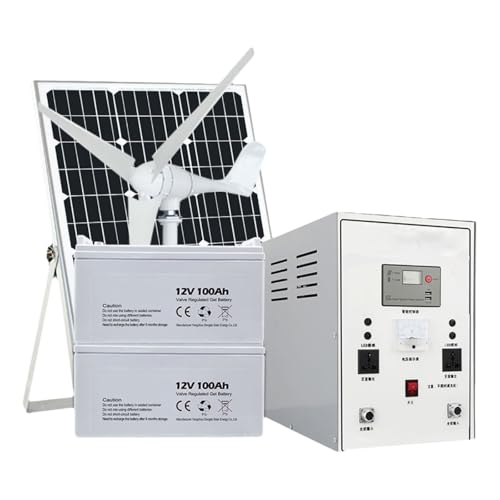
Best for: Home, farm, or remote cabins needing a complete all-in-one renewable setup. This kit combines an 800W solar generator with a 400W wind turbine and a smart controller that can auto-switch between sources for continuous power (up to 220V). It’s designed to run without complex installation.
Key benefits and cautions:
- Integrated controller with automatic switching provides stability during weather fluctuations.
- All-in-one solution reduces the need for separate components and wiring complexity.
- Suitable for off-grid homes or remote operations, but initial setup may require planning around space and mounting needs.
Choose this if you want a comprehensive, plug-ready hybrid system. Caution: ensure proper ventilation and weather-proof mounting for wind components in exposed locations.
Marsyyds Wind Turbine Kit 400W

Best for: Boats, gazebos, and small homes where a portable wind turbine is needed to supplement power. The three-blade, three-phase generator is designed to operate at lower wind speeds and minimize noise in quiet settings.
What stands out:
- Coreless permanent magnet generator with fiberglass blades for durability.
- Low-noise operation makes it suitable for residential or garden spaces.
- Better for low-wind areas where starting power is challenging with other devices.
Limitations: output efficiency depends on wind availability; best used as part of a broader energy plan rather than a sole power source.
MARBERO 88Wh Portable Power Station
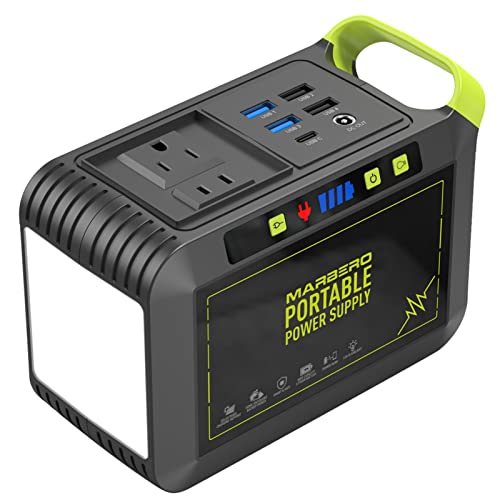
Best for: Quick, compact power for mobile lifestyles, emergency kits, and small device charging on the go. The 88Wh battery and 8-port output setup deliver emergency charging while remaining highly portable.
Why it’s a good fit:
- Compact size and light weight facilitate transport for camping, RV trips, and backcountry excursions.
- Multiple USB and DC outputs support charging of phones, tablets, laptops, and small electronics.
- Fast charging and built-in BMS help ensure safe operation during outages or travel.
Caution: it has a smaller capacity compared with larger units, so plan for shorter outages and lower-wattage devices.
Buying Guide: Choosing a Portable Solar Wind Generator
What should you consider when shopping for a portable solar wind generator?
- Power needs: Match your typical device wattage and total daily draw. For light devices, smaller units suffice; for laptops, fridges, or multiple devices, choose higher wattage and a robust battery.
- Power source balance: Decide between solar-only, wind-only, or a hybrid kit. Hybrid kits offer reliability in varied weather but may be bulkier.
- Output type: Pure sine wave inverters protect sensitive electronics. Ensure the output voltage aligns with your devices (110V in the US).
- Portability: Battery capacity, weight, and handle design affect how easily you can move the unit between locations.
- Durability: Look for weather-resistant enclosures, durable casings (like aluminum alloys), and secure mounting options for outdoor setups.
- Charging options: Check whether recharging is possible via AC, car, solar, or wind separately, and MPPT compatibility for efficient solar charging.
- Noise and footprint: Wind turbines can generate noticeable noise; consider your quiet-area needs and the footprint of the kit.
- Setup and maintenance: Simple plug-and-play designs save time. Consider whether you’ll need professional installation for multi-component systems.
Which setup fits which scenario?
- Car-and-bike adventures: Yuecoom for range extension on electric bicycles, paired with easy installation.
- Camping and RV life: ZeroKor or MARBERO for portable, all-around charging with versatile outlets.
- Remote homes or farms: OLONETO for a full, integrated wind-solar hybrid with automatic switching.
- Wind-rich locations: VEVOR wind turbine kits to maximize wind energy capture with a quiet, compact design.
FAQ
- What is the best portable generator for off-grid camping? A versatile unit with solar charging and multiple outputs, such as the ZeroKor kit, provides broad device compatibility and flexible recharging options.
- Can I rely solely on wind power? It depends on wind consistency. Wind turbines excel in steady wind environments but are supplemented well by solar in sunny conditions.
- What output type should I look for? A pure sine wave inverter is recommended for sensitive electronics and provides stable performance.
- Are hybrid wind-solar kits easier to set up than separate units? Generally yes. All-in-one systems reduce wiring and integration complexity, but ensure you have adequate space and mounting support.
- How do I size a system for a home or cabin? Start with your essential loads, compute total watt-hours per day, and select a system with a comfortable margin above peak demand.
- Should I prioritize lightweight units? If you need portability for travel, lightweight kits are advantageous; for continuous power in a fixed location, a heavier, higher-capacity system may be better.