Best Portable Power Station for Power Tools: Reliable Off-Grid Power on Demand
When working on job sites or remote projects, a portable power station can keep drills, saws, and other tools running without noisy generators or fragile battery packs. This guide highlights five top options that balance high output, reliability, and user convenience for powering power tools. Each model supports multiple devices, offers clean power for sensitive equipment, and adapts to camping, touring, or construction tasks. The following picks emphasize strong peak power, solid runtimes, and versatile charging ports so you can choose the right unit for your toolkit.
Summary of Selected Products
| Product | Brand | Continuous Power | Battery Type | Key Benefit |
|---|---|---|---|---|
| EGO POWER+ Portable Inverter PAD5000 | EGO Power+ | 400W | Battery not included | Pure Sine Wave; multiple USB ports including USB-C PD |
| Jackery Explorer 300 | Jackery | 300W | Lithium | Fast recharge; lightweight; multiple outputs |
| Anker SOLIX C1000 Gen 2 | Anker | 2,000W | LiFePO4 | High output; compact for its class; long cycle life |
| EF ECOFLOW Delta 2 | EF ECOFLOW | 1,800W | LiFePO4 | Fast charging; expandable capacity; broad outlet mix |
| ENGINSTAR Portable Power Station 296Wh | EnginStar | 300W | Li-ion / 296Wh | ETL certified; multiple ports; portable and rugged |
EGO POWER+ Portable Inverter PAD5000

The EGO PAD5000 provides 400W continuous power with an 800W peak. This unit is designed to power tools that demand short bursts of ramp-up power, such as high-torque drills or impact drivers. It features a pure sine wave output, which is gentler on sensitive electronics and reduces risk to routers or chargers used on-site. The power station supports multiple USB ports—a USB-C, a USB-C PD, and a USB-A port—so you can simultaneously run and charge devices like tablets or grinders without hunting for adapters. Note that battery and charger are not included, so compatibility with your existing EGO battery ecosystem may be a consideration for capacity planning.
Best suited for tool users who need clean, dependable power in a compact form. The absence of a built-in battery means you’ll pair this with your own compatible pack, enabling flexible configurations for short-term tasks or longer site work when you bring a charged battery along. The combination of 400W continuous output and 800W surge helps with tools that require a quick power surge to start, providing a practical balance of portability and performance.
Portable Power Station 300W 257Wh BailiBatt

The BailiBatt power station weighs around 4.6 pounds and packs a 257Wh capacity with 300W total output. It includes built-in dual 120V pure sine wave AC outlets plus DC options, enabling simultaneous charging of laptops, phones, tablets, and cameras. With a compact form factor, it is easy to transport to job sites or campsites. It’s designed for multiple-device charging at moderate loads, so it’s a solid choice for light carpentry tasks or emergency backup power. The product is positioned as a versatile portable power bank rather than a heavy-duty generator replacement.
For contractors or hobbyists who prioritize portability and ease of use, BailiBatt provides a stable, efficient means to run several smaller tools or recharge gear during fieldwork. The 257Wh battery and 300W capacity are well-suited for intermittent use rather than sustained, high-demand tool operation.
Jackery Portable Power Station Explorer 300
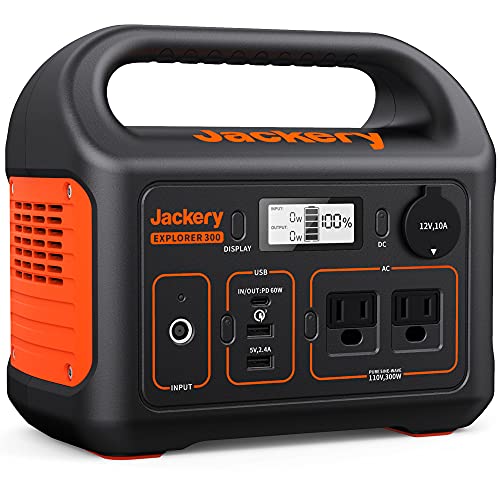
The Jackery Explorer 300 delivers 293Wh with two Pure Sine Wave AC outlets and multiple ports, including a PD USB-C port and a USB-A port. It emphasizes quick recharging: approximately 2 hours to reach 80% via wall outlet combined with a 60W PD USB-C port, offering a practical cadence for field use where downtime matters. Weighing about 7.1 pounds, it remains portable for hand-carry scenarios and hiking trips. It supports versatile recharging routes—AC, car, or optional solar—making it a flexible off-grid companion for tools and devices.
While not the highest capacity in this list, the Explorer 300’s combination of fast recharging, solid carry weight, and broad compatibility makes it a dependable option for lighter tool workloads and on-the-go projects where speed of setup matters as much as sustained power.
Anker SOLIX C1000 Gen 2 Portable Power Station

The Anker SOLIX C1000 Gen 2 stands out with 2,000W continuous output and a 1,024Wh LiFePO4 battery, delivering substantial muscle for demanding power tools and quick-charging cycles. Its HyperFlash fast charging can fully recharge in a short window, enabling a rapid turnaround on job sites. The LiFePO4 chemistry contributes to longer battery life and resilience in temperature fluctuations, which is beneficial for outdoor or garage environments. A compact form factor for this capacity helps with portability on job sites where space is at a premium.
For pros running high-demand equipment or multiple tools in parallel, the C1000 Gen 2 offers reliable power without frequent recharges. The balance of high wattage, robust battery chemistry, and multiple ports makes it a versatile centerpiece for professional tool kits that require consistent performance and flexibility in charging options.
EF ECOFLOW Delta 2

The Delta 2 from EF ECOFLOW offers up to 1,800W of continuous power with LiFePO4 chemistry for heightened longevity. It supports very rapid charging—0-80% in about 50 minutes and 0-100% in around 80 minutes with AC input—providing quick turnarounds between sites. The Delta 2’s expandable architecture lets you add extra batteries to scale capacity from 1 kWh to 3 kWh, making it suitable for longer off-grid use or more demanding tool kits. With 15 outlets and broad compatibility, it can power a wide array of tools and devices for extended periods.
For professionals facing prolonged outages or needing to run multiple heavy-duty tools, the Delta 2’s fast recharge and expandable capacity offer a compelling blend of performance and scalability. Its broad outlet mix supports a diverse toolbox, ensuring you can keep essential equipment running when grid power isn’t available.
EnginStar Portable Power Station 296Wh

EnginStar’s 296Wh power station combines a compact size with 300W total output across multiple ports, including a 110V pure sine wave AC outlet. With ETL certification and a weight around 6.5 pounds, it’s designed for portability and safety across outdoor activities, camping, or emergency backups. The device provides eight output ports and reliable protection features, making it a practical option for charging a mix of devices on the go. It’s well-suited for light-duty tool use and essential electronics during periods away from grid power.
For those prioritizing a compact, user-friendly unit with broad compatibility and safety certifications, the EnginStar offers a balanced package. It isn’t designed to run high-demand tools for long stretches, but its portability and safety features make it a solid backup power source for smaller power tools and daily devices.
Buying Guide: Key Purchase Considerations
- Power Output and Surge: Tools with motors and impact mechanisms demand higher starting surges. Look for models with continuous power in the 300–2,000W range and a surge rating that comfortably exceeds startup requirements.
- Battery Chemistry and Longevity: LiFePO4 cells extend cycle life and tolerate temperature changes, beneficial for long-term tool use and outdoor projects. Consider capacity in watt-hours (Wh) relative to your typical load and recharging frequency.
- Ports and Versatility: A mix of outlets (AC, USB-C PD, USB-A, and DC) enables charging and running multiple tools simultaneously. Ensure enough 110V outlets for your gear and check the availability of fast-charging USB-C ports for laptops and tablets.
- Recharging Speed: Fast recharging minimizes downtime between sessions. Units offering 0-80% in under an hour can dramatically speed up field work; however, full-cycle recharge times vary by charger and input.
- Portability vs. Capacity: Heavier, higher-capacity models deliver more runtime but are less portable. Balance weight and size against your typical job-site setup, whether you’re carrying it by hand or loading into a vehicle.
- Durability and Safety Features: Certifications (ETL, UL), battery management systems, and thermal controls enhance safety during use and charging. Look for protections against short-circuit, over-current, and over-temperature scenarios.
- Solar and Expandability: If off-grid use is common, consider solar compatibility or modular expansion options to scale capacity for longer projects or camping trips.
- Warranty and Support: A reasonable warranty and accessible customer support help when equipment fails under demanding field conditions.
Selecting a portable power station for power tools involves matching your typical tool load, duration, and transport needs with a model that can reliably deliver clean energy where grid access is limited. The options listed above cover a range of power levels, from compact, light-duty units to high-output configurations suitable for extended, tool-heavy jobs. Evaluate your most frequent tool lineup, the need for rapid recharging, and how much weight you can reasonably carry to pick the best fit for your work style.