Best Portable Generators for Boats: Safe, Quiet Options for Onboard Power
Yes, you can power essential onboard electronics with a compact, boat-friendly generator. This guide highlights five portable options that balance weight, noise, and reliability for marine use. The best picks are suited for different boat sizes and needs—RV-ready inverters for quiet, fuel-efficient power; compact power stations for essential 12V and USB devices; and larger dual-fuel units for longer trips. Read on to find the right match for your vessel and cruising style.
| Product | Best For | Key Benefit |
|---|---|---|
| Oxseryn 4400W Inverter Generator | RVers and small boats needing quiet power | Low noise ECO mode, multiple outputs |
| EnginStar 300W Portable Power Station | Off-grid days, essential electronics | Compact and light with multiple ports |
| WEN DF5600X Dual Fuel | Longer trips with fuel flexibility | Gas or propane, CO watchdog |
| HOWEASY 88Wh Solar Generator | Small boats, emergencies, USB/AC needs | Multiple outputs, solar charging option |
| MARBERO 88Wh Power Station | Camping-style boating and backups | 8 outputs, portable and safe |
The following sections review each option with a focus on who benefits most, why it’s a fit for boating, and practical considerations to help you buy confidently.
Oxseryn Power Equipment 4400 Watts Inverter Generator

Best for boat owners who want quiet, reliable shore power and RV-ready compatibility in a compact frame. The unit delivers up to 3400 running watts with 4400 peak watts, making it suitable for lights, a small fridge, or essential electronics on evenings at the marina. It includes multiple outputs: two 120V AC outlets, one 12V DC port, and an RV outlet. A two-gallon fuel tank with an efficient ECO mode provides extended runtimes—up to about 14 hours at 25% load.
Who it’s best for: boaters needing a portable, relatively quiet generator that can handle daytime electronics and offer a peaceful night at anchor. Why selected: emission-controlled startup with versatile outlets for onboard devices. Caution: fuel capacity is modest; plan refueling for multi-day trips.
EnginStar Portable Power Station, 300W
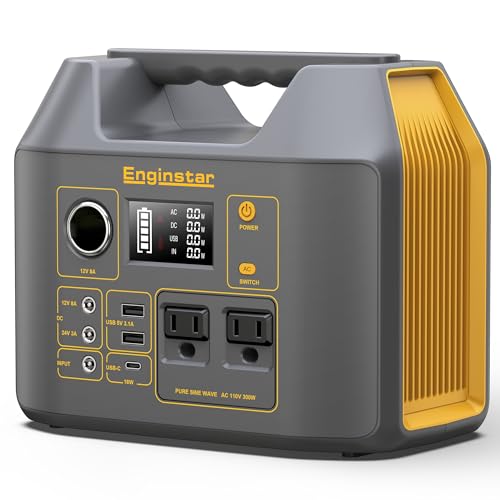
Best for boaters who need a compact, light power bank with multiple outputs for essential devices. It features two 110V pure sine wave AC outlets, a 12V car port, two DC outputs, USB ports, and a USB-C fast charge. With 296Wh capacity and a small footprint, it’s designed for weekend trips, camping, or as a backup to charge phones, laptops, CPAP machines, and cameras.
Who it’s best for: anglers or sailors needing reliable USB-C and AC power without heavy gas cans. Why selected: portable and simple, ideal for limited deck space. Caution: limited running watts won’t support higher-draw appliances like a full fridge or climate control.
WEN 5,600-Watt Dual Fuel Portable Generator

Best for longer boating trips that require flexibility in fueling. This dual-fuel generator runs on gasoline (5600 surge, 4500 rated) or propane (5000 surge, 4050 rated), giving options when gasoline is scarce. Electric start adds convenience on deck. It’s a capable choice when you need reliable power for lights, tools, or small appliances onboard.
Who it’s best for: boaters who want fuel flexibility and a larger power budget. Why selected: dual-fuel versatility with automatic CO shutdown protection. Caution: weight and size may be challenging for very small boats; store fuel safely and ensure proper ventilation.
WEN 6800-Watt Dual Fuel RV-Ready Electric Start Inverter

Best for larger boats or RV setups seeking significant power with gas or propane options. The 6800 surge watts and 5100 rated watts provide ample headroom for pumps, lighting, and climate control on longer excursions. It includes electric start and CO watchdog features for safety.
Who it’s best for: boaters needing substantial onboard energy for extended days on the water. Why selected: strong power output with RV-ready compatibility and safety features. Caution: heavier and louder than smaller units; suitable for boats with enough deck space and ventilation.
Westinghouse 12500 Watt Dual Fuel Portable Generator

Best for mariners who need a high-capacity backup power system aboard larger vessels or waterfront properties. It delivers up to 9500 running watts on gasoline and 8500 on propane, with a remote electric start and a range of receptacles, including a transfer-switch-ready option for seamless grid/boat transitions.
Who it’s best for: boats requiring robust, high-output power for extended periods and compatibility with transfer switches. Why selected: high wattage and remote control add convenience. Caution: large footprint and heavier weight; plan for secure mounting and ventilation.
Buying Guide: Key Considerations For Boating Use
What should you consider when choosing a portable generator for a boat? Here are practical factors to help buyers compare options side by side.
- Power needs: List essential devices (fridge, lights, VHF radio, electronics) and estimate total running watts. Choose a unit with a comfortable margin above this number to avoid overloading.
- Sound level: Marine environments benefit from quieter models to reduce engine and neighbor noise. Look for inverter designs and ECO modes that lower noise at partial loads.
- Fuel type and capacity: Gasoline offers wide availability; propane provides cleaner burning and longer storage. Consider tank size, refill logistics, and fuel stability on longer trips.
- Portability: For small to mid-size boats, weight and handle design matter. Look for compact frames, integrated wheels, and ergonomic grips.
- Safety features: CO shutdown sensors and proper ventilation are essential on any boat. Ensure the unit complies with applicable safety standards and is used away from living spaces when running.
- Power outlets and compatibility: Check the types and numbers of outlets (AC, DC, USB, RV outlet) to match onboard devices without adapters.
- Maintenance and reliability: Favor units with simple maintenance schedules and easy access to parts and service. Short runtime efficiency matters on boats with limited refueling windows.
- Storage and mounting: Plan for secure stowage, corrosion resistance, and weather protection when storing on deck or in cabins.
Practical usage tips
- Position the generator away from cabins to avoid diesel or gasoline fumes entering living spaces.
- Use a suitable shore power setup when docked to minimize onboard fuel use and noise.
- Keep a spare fuel container and a basic maintenance kit on board for emergencies.
FAQ
- Q: What defines a good portable generator for boats? A: A balance of output, noise level, fuel type, portability, and safety features suitable for marine environments.
- Q: Is an inverter generator better for boats? A: Yes, inverter designs typically run more quietly and deliver cleaner power for electronics.
- Q: Do I need CO shutdown on a marine generator? A: Yes, to automatically shut down if unsafe carbon monoxide levels are detected.
- Q: Can I run a fridge or radar with these? A: Smaller units cover basic electronics; larger dual-fuel generators provide more headroom for higher-draw appliances.
- Q: How should I store fuel on a boat? A: Store in approved containers away from living areas, in ventilated spaces, and follow local regulations.
- Q: Are solar generators a good marine option? A: They’re ideal for small loads and emergencies, especially when combined with reliable USB/AC outputs.