Best Plug in Wind Turbine Solutions for Home and Beyond
Ready to add renewable energy with a plug-in wind turbine? This guide highlights five solid options for residential, RV, boat, or small- to mid-scale energy use. Each product is described for the best-suited buyer type, with clear advantages and a practical caveat to help you decide.
| Product | Power Range | Best For | Notes |
|---|---|---|---|
| 3000W Vertical Axis Wind Turbine Kit | Up to 3000W | Homes, cabins, small industrial setups | High power, vertical axis for stable operation |
| Fablestoryem 14000W Wind Turbine Kit | Up to 14000W | Larger energy needs, off-grid bases | High output, MPPT controller |
| VEVOR 12V-500W Wind Turbine Kit | 500W | RVs, boats, small homes | MPPT controller, quiet operation |
| Thames & Kosmos Wind Power V5.0 STEM Kit | Educational model | Students, classrooms, DIY enthusiasts | Indoor/outdoor use, learning-focused |
| Wind Turbine Generator Kit 1200W | 1200W | Home, cabins, small off-grid systems | Multi-blade design, robust build |
Note: Each product section below provides a concise, objective view of who benefits most, why it’s a good fit, and potential limitations. Use the Buying Guide for practical considerations before choosing.
3000W Vertical Axis Wind Turbine Kit
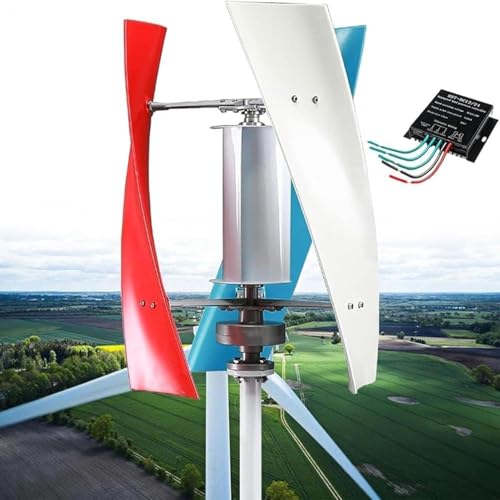
Best for homeowners or cabins with a moderate to high wind profile. This kit uses three-phase AC PMG technology for smoother current and voltage regulation, aided by a microprocessor that optimizes power output. The three-blade design and aerodynamic, FRP blades aim to reduce vibration and improve reliability. Start wind speed is about 2 m/s, with a rated wind speed near 10 m/s and a maximum rated wind tolerance up to 45 m/s. A clear advantage is higher potential annual power generation in suitable locations. Caution: installation requires proper mounting and electrical integration to avoid hazardous conditions.
Fablestoryem 14000W Wind Turbine Kit
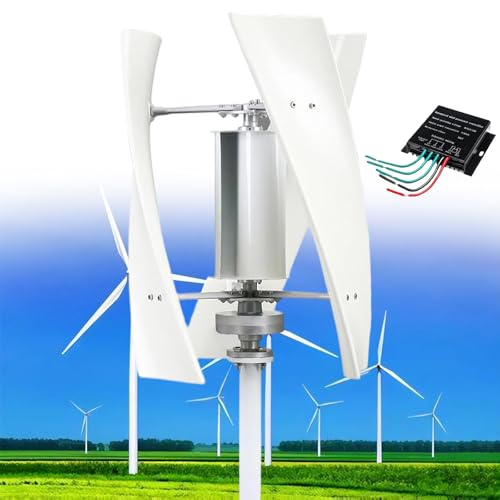
Best for larger energy needs, off-grid homes, or remote facilities that require substantial power generation. The kit emphasizes nylon fiber blades for strength and a design that starts at low wind speeds (2 m/s). It uses an MPPT controller and a 360° wind capture capability without a yaw system, which helps maximize wind energy utilization. Caution: high power systems require robust electrical safety practices and proper load management to prevent overgeneration or equipment stress.
VEVOR 12V-500W Wind Turbine Kit

Best for compact setups such as RVs, boats, or small off-grid systems needing reliable 500W output. The kit features a 12V three-phase permanent magnet synchronous generator and an MPPT controller, designed for quiet operation (around 55dB) and longer life. It starts generating at about 2.5 m/s and has a 12 m/s rated wind speed, performing best in moderate wind climates. Caution: best results require steady wind exposure and careful system sizing to match battery storage or load demands.
VEVOR 500W Wind Turbine Generator

Best for flexible, small-scale power needs in RVs, boats, or tiny homes. It uses a 12V system with MPPT and a 3-blade layout, offering similar wind speed ranges (2.5 m/s start, 12 m/s rated). The design emphasizes reliable performance in variable wind and compact footprint. Caution: ensure compatibility with existing battery banks and charge controllers to prevent misalignment in voltage regulation.
Thames & Kosmos Wind Power V5.0 STEM Kit

Best for education, classrooms, and hobbyists who want a tangible wind turbine model without high energy output. This fifth-generation kit focuses on learning the technology behind wind power, with indoor and outdoor usability and a gear-reduced turbine for easier demonstration. Caution: it’s an educational model, not designed for significant power generation or long-term off-grid use.
1200W Wind Turbine Kit

Best for mid-range residential or small off-grid systems needing steady power with a compact footprint. The 1200W kit uses a three-phase PM synchronous motor with an integrated voltage regulator, a yaw-adjusting system, and robust weather resistance. It’s suited for locations with moderate wind and where a balance of performance and space matters. Caution: higher output means greater electrical and mechanical integration requirements, including safe mounting and wiring.
Buying Guide
What size wind turbine is right for you? Consider annual energy goals, local average wind speeds, and available installation space. Bigger generators deliver more energy but require sturdier mounting, better wind access, and larger electrical systems.
Where will you install it? Roofs, towers, or ground mounts each have pros and cons. Vertical-axis designs can be more stable in turbulent winds and visually suit residential areas, while horizontal designs often yield higher efficiency but need more space and precise yaw alignment.
What about compatibility and safety? Ensure the turbine’s output matches your battery bank or grid-tied system, and use appropriate controllers (MPPT preferred) to maximize efficiency and protect components. Verify grounding, lightning protection, and weatherproofing to prevent damage in storms.
Do you need an educational or demonstration model? If the goal is learning or classroom activities, a STEM kit like the Thames & Kosmos Wind Power V5.0 provides hands-on understanding without high energy requirements.
Trust and support matter. Prefer products with clear documentation, accessible replacement parts, and straightforward installation guidelines. If buying for vehicle or boat use, verify vibration, noise, and mounting compatibility with your mobile environment.
FAQ
- What size wind turbine should I choose for home use? Choose based on your average wind speed, energy demand, and space. Higher-wattage units require larger installations and proper electrical integration.
- Do vertical-axis turbines perform better in residential areas? They can offer smoother operation in turbulent winds and often have a smaller footprint, which can suit rooftops or terraces.
- What is MPPT and why is it important? MPPT stands for Maximum Power Point Tracking. It optimizes the electrical output by continuously adjusting to wind and load conditions, improving efficiency.
- Is a wind turbine suitable for RVs or boats? Yes, smaller kits (hundreds of watts) are common for mobile applications, but ensure mounting stability and electrical compatibility with storage systems.
- What maintenance is required? Regular inspection of blades, bearings, and connections helps prevent performance loss and extends lifespan.
- Can I install a wind turbine myself? Basic installations are possible with proper electrical knowledge and safety practices. Complex or high-wattage systems should involve qualified professionals.