Best Plug-in Carbon Monoxide Detectors With Battery Backup for Homes
Having a reliable carbon monoxide detector is essential for home safety, especially for areas with fuel-burning appliances, attached garages, or during power outages. The following plug-in CO detectors all offer battery backups, ensuring continuous protection even when the power goes out. Each option balances ease of installation, sensor technology, and alert features to help you choose the right fit for bedrooms, living rooms, or offices.
| Product | Brand | Backup Power | Notes |
|---|---|---|---|
| Kidde Carbon Monoxide Detector, Plug in Wall with AA Battery Backup | Kidde | AA Battery Backup | 85 dB alert; simple plug-in installation |
| Kidde Carbon Monoxide Detector, Plug In Wall with 9-Volt Battery Backup | Kidde | 9V Battery Backup | Digital LED display; easy installation |
| First Alert CO615 Dual-Power Plug-In CO Detector | First Alert | Battery Backup | Digital display; 85 dB alarm |
| X-Sense Plug-in Carbon Monoxide Detector, 10-Year Battery Backup | X-Sense | 10-Year Battery Backup | Long lifespan; portable design |
| SITERWELL Plug in Carbon Monoxide Detector 10 Year Battery | SITERWELL | 10-Year Battery | Electrochemical sensor; audible warning |
Kidde Carbon Monoxide Detector With AA Battery Backup
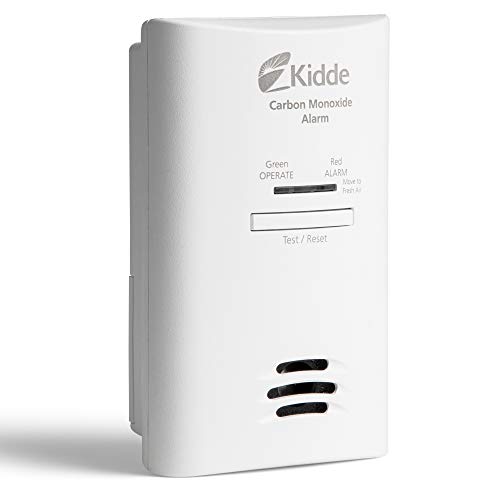
Kidde’s plug-in CO detector with AA battery backup provides continuous protection during power outages. It installs into a standard 120V outlet and features an 85-decibel alarm to alert occupants when carbon monoxide is detected. The battery backup ensures monitoring remains active when electricity is unavailable, helping to protect bedrooms, living spaces, and hallways where CO may accumulate.
Kidde CO Detector With 9-Volt Battery Backup

This Kidde model offers easy plug-in installation to a standard 120V outlet and uses a 9-volt backup battery to maintain CO monitoring during power outages. A digital LED display shows real-time carbon monoxide levels, helping you quickly assess and respond to potential threats.
First Alert CO615 Dual-Power Plug-In CO Detector
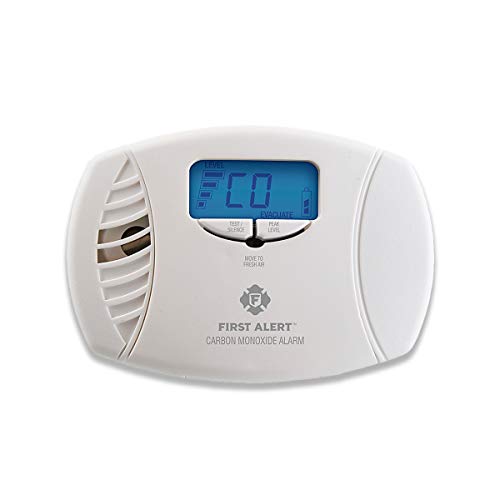
The First Alert CO615 combines a digital display and a reliable electrochemical sensor for continuous carbon monoxide monitoring. It plugs into any standard outlet and retains monitoring through a battery backup during power failures. An 85 dB alarm helps ensure occupants wake up and take action when CO is detected.
X-Sense Plug-in CO Detector With 10-Year Battery Backup

Designed for long-term protection, the X-Sense XC0C-SA plugs into standard outlets and includes a 10-year battery backup. It provides continuous monitoring, with a compact form suitable for bedrooms or living areas. This model emphasizes reliability and minimal maintenance over the decade of use.
SITERWELL 10-Year Battery Plug-In CO Detector

The SITERWELL plug-in CO detector uses a 10-year replaceable battery to keep the unit operational during power outages. It features an audible alert of 85 decibels and a straightforward installation process, designed for homes, offices, or travel-friendly setups where reliable CO monitoring is essential.
Buying Guide
Key purchase considerations help you compare models and choose the best fit for your space and safety needs.
- Backup power type and duration: Decide between AA, 9V, or 10-year battery backups. Longer-lasting or non-replaceable backups reduce maintenance but may tie you to a specific model.
- Sensor technology: Most detectors use electrochemical sensors for accuracy. Look for sensors with low false alarms and fast response times, especially in bedrooms and living areas.
- Display and indicators: Digital displays help monitor CO levels and status. Consider models with clear LED readouts or audible prompts for all household members.
- Power and integration: Plug-in units are easy to install but require a free outlet. Some models offer portable or travel-friendly designs for hotels or RV use.
- Alarm features: An 85 dB alarm is common and effective. Some units include peak level readings or battery status indicators—useful for ongoing safety awareness.
- Lifespan and maintenance: Battery-backed detectors vary in longevity. Ten-year batteries reduce replacement needs but check the overall product lifespan and warranty.
- Placement guidance: Install detectors on every level of the home, particularly near sleeping areas and fuel-burning appliances, following manufacturer recommendations for mounting height and distance from walls or ducts.
- Maintenance routine: Test alarms monthly and replace batteries as recommended. Keep detectors away from cooking smoke and high humidity to reduce nuisance alarms.