Best Photoelectric Fire Alarms for Smart Home Safety
Photoelectric smoke detectors excel at catching slow, smoldering fires and reducing nuisance alarms from cooking. This article highlights five reliable, battery-powered, photoelectric options from respected brands, with emphasis on long-life sensors, easy installation, and user-friendly controls. Each choice includes a quick overview and key features to help you compare at a glance.
| Product | Brand |
|---|---|
| Hilmon Smoke Alarm Fire Detector (6 Pack) | Hilmon |
| HEIMAN Smoke Detector (Photoelectric, 10-Year Battery) | HEIMAN |
| First Alert SMI100 Battery-Operated Smoke Alarm (2-Pack) | First Alert |
| 1 Pack Photoelectric Smoke Detector (9V Included) | XUK |
| Deller Smoke Detector (4 Pack) | Deller |
Hilmon Dual-Sensor Photoelectric Alarm

Hilmon’s smoke detector uses dual-sensor photoelectric technology designed to minimize nuisance alarms while maintaining strong detection capability for slow-smoldering fires. The device features a long-life 3000mAh battery and 9V compatibility for extended runtime. It is UL-listed and tested for reliability, making it suitable for kitchens, bedrooms, and living spaces where false alarms can be disruptive.
HEIMAN Photoelectric Smoke Detector

HEIMAN’s 10th edition UL 217-certified photoelectric smoke alarm emphasizes dual-beam detection for higher accuracy. The compact design pairs with a long-life battery and a clear Test/Silence button to reduce nuisance beeps. Its low standby power consumption and LED indicators help users monitor status without frequent maintenance, making it a solid fit for modern homes and travel setups like RVs.
First Alert SMI100 Battery-Operated Smoke Alarm

First Alert’s SMI100 offers Precision Detection to reduce cooking nuisance alarms while delivering early warning in home fires. Its front-access battery compartment simplifies maintenance, and the device is designed for straightforward installation in places where wired detectors aren’t practical. The detector is built to provide dependable protection with a focus on ease of use for busy households.
XUK 1 Pack Photoelectric Smoke Detector

This 1-pack offers a 10-year photoelectric sensor with a bundled 9V battery, simplifying immediate setup. It includes a mounting base and screw kit, enabling quick installation in bedrooms, living rooms, or hallways. The unit also provides a low-battery alert to keep you informed about essential power status, ensuring ongoing protection without surprises.
DnnrSwion Photoelectric Smoke Detector
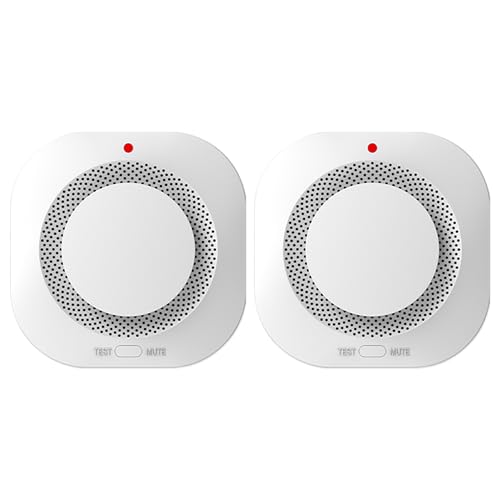
DnnrSwion’s model uses dual-sensor photoelectric technology with an 85 dB alarm and a Test/Silence function. Designed for living rooms and bedrooms, it emphasizes easy installation and a long service life with a low power draw. The LED warning light provides a quick status check, making it suitable for households that prioritize straightforward operation and reliability.
WARROXIDE Photoelectric Wireless Detector

WARROXIDE’s wireless detector uses infrared photoelectric sensing to cover both visible flames and smoke from smoldering fires. With a replaceable battery, test/mute controls, and a clear standby indicator, this device is designed for flexible installation in various home environments. The user-friendly indicators and audible alerts aim to keep occupants informed while reducing false alarms.
Buying Guide: Key Considerations For Photoelectric Smoke Detectors
What to look for when choosing photoelectric smoke detectors:
- Detection technology: Photoelectric sensors excel at fast response to smoldering fires, which often produce smoke before flames appear. Look for dual-sensor models for further accuracy.
- Power source: Battery-operated units offer easy installation and ongoing operation during power outages. Check battery life and replacement accessibility (front-access doors are a plus).
- Endurance and maintenance: Longer-life batteries (like high-capacity 3000mAh packs) reduce maintenance frequency. Consider models with low-battery indicators and clear fault alerts.
- UL certification and standards: UL 217 certification and compliance with the latest edition ensure safety reliability and performance expectations.
- Placement and interconnectivity: Install detectors on every level, outside sleeping areas, and inside bedrooms. Some models offer wireless interconnectivity for synchronized alarms.
- False alarm minimization: Look for features that reduce nuisance alarms from cooking or humidity, such as improved airflow designs and higher sensitivity thresholds for specific environments.
- Maintenance features: A front-access battery compartment, test/silence buttons, and visual indicators help you maintain the devices without tools.
- Warranty and support: A solid warranty and accessible customer support can be valuable for long-term protection and peace of mind.
These considerations help balance immediate safety needs with practical daily use. For households with pets, kitchens, or high humidity, prioritize detectors with strong nuisance alarm resistance and reliable power options. When evaluating bundles (such as 2-Pack or 6-Pack sets), ensure the detectors meet UL 217 standards and provide consistent performance across multiple units in the home.