Best Ph Water Treatment Systems for Clean, Balanced Water at Home
Whether you’re correcting acidic well water, maintaining aquarium pH, or testing household water quality, the right pH treatment system makes a measurable difference. This guide highlights five reliable options suited to different needs—from DIY home setups to professional-grade backwashing systems. Best for homeowners needing long-term pH correction, best for DIY installers, best for multi-point protection, and best for precise testing. Read on to compare features, limitations, and ideal use cases.
| Product | Best For | Key Benefit |
|---|---|---|
| AFWFilters Acid Neutralizer for Well Water pH Filter Calcite | Well water users seeking automatic pH neutralization | Simple calcite-based pH correction |
| AFWFilters Digital pH 10 Water Neutralizer Backwashing System with Fleck 5600SXT | DIY enthusiasts and mid-size homes | Backwashing, full system with control head |
| Industrial Test Systems 481104 WaterWorks pH Check | Quick testing and monitoring | Easy test strips for pH ranges |
| API pH DOWN Freshwater Aquarium Water pH Reducing Solution | Aquarium hobbyists | Safe, phosphate-free pH reduction |
| Oceanic Water Systems 1.5 Cubic Ft. Calcite pH Neutralizer | Well or municipal water correction | Low-maintenance calcite neutralization |
AFWFilters Acid Neutralizer for Well Water pH Filter Calcite

Best for: Well owners needing automatic pH neutralization. This acid-neutralizing filter uses calcite to raise and stabilize pH, reducing acidity as water moves through the system. The unit is associated with a Clack brand control framework and a neutral almond color, making it a practical, low-maintenance choice for home wells.
Why selected: It provides straightforward, passive pH adjustment without frequent chemical dosing. It suits homes where well water tends to be acidic and requires a reliable, ready-to-install solution.
Limitations: It may require periodic media replacement and proper sizing to match water chemistry and flow rates. Some installations benefit from professional help to ensure correct bypass and connections.
AFWFilters Digital pH 10 Water Neutralizer Backwashing System
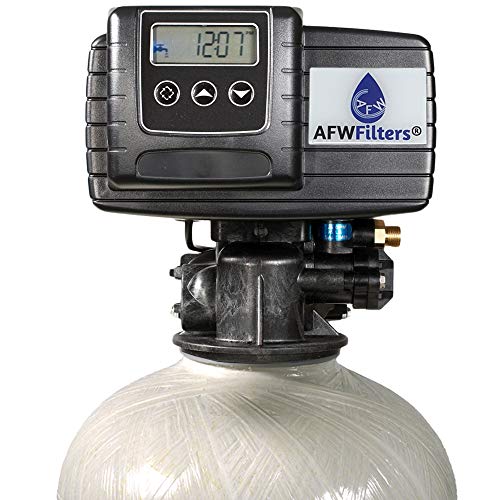
Best for: Homeowners who want a complete, backwashing pH correction system with an integrated control head. This unit includes a resin tank with calcite media, a distributor basket, and a Fleck 5600SXT control head for automated maintenance and backwash cycles.
Why selected: The 3/4″ stainless steel bypass and included 1 cubic foot calcite media provide a capable setup for continuous pH stabilization near neutral, with DIY installation guidance. The backwash feature helps extend media life with less manual maintenance.
Limitations: Requires a minimum of 3.6 GPM for backwashing to operate effectively; ensure your water flow meets this requirement to avoid reduced performance.
Industrial Test Systems 481104 WaterWorks pH Check

Best for: Users who need quick, simple pH monitoring in both technical and non-technical contexts. This kit includes 50 test strips with a color chart, covering a broad pH range.
Why selected: It provides a portable, easy-to-use option for frequent pH checks in various settings, from households to small labs. It’s helpful for routine monitoring or verifying treatment system performance.
Limitations: This is a testing tool, not a treatment device. It does not correct pH; use it to guide adjustments with compatible treatment systems.
API pH DOWN Freshwater Aquarium Water pH Reducing Solution
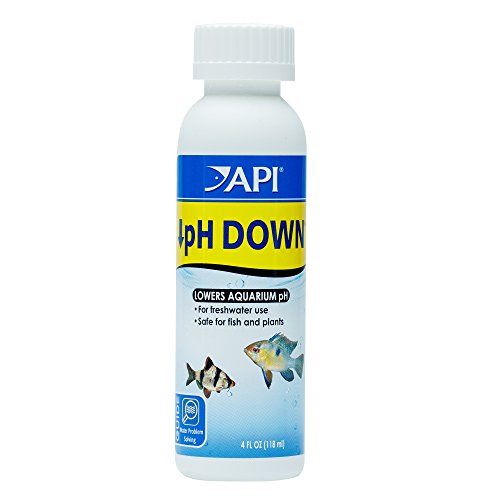
Best for: Aquarium hobbyists who need a safe, phosphate-free method to lower pH for freshwater tanks. The product is designed to be gentle on plants and fish while achieving the desired pH level.
Why selected: It offers a straightforward approach to adjusting aquarium water chemistry without introducing harsh chemicals. It’s a good fit for tanks that require periodic pH reductions to maintain fish health.
Limitations: Use carefully to avoid sudden pH swings; follow dosing guidelines to maintain stable water conditions for sensitive species.
Oceanic Water Systems 1.5 Cubic Ft. Calcite pH Neutralizer

Best for: Well water or municipal water users seeking a long-term, low-maintenance calcium carbonate-based pH neutralizer. This system is designed for upflow operation with an in-and-out valve configuration.
Why selected: It raises pH gradually by dissolving calcite as water passes through, helping to eliminate acidity in the 6.0 to 6.9 range and move toward neutral. It’s suitable for larger homes or properties with higher water needs.
Limitations: Installation should ensure correct flow direction; media replacement or refilling may be required over time to maintain effectiveness.
Buying Guide: Key Considerations For Choosing a pH Water Treatment System
- Water source and chemistry: Identify whether you have well water, municipal supply, or aquarium needs. Acidic well water often benefits from calcite-based neutralizers, while municipal supplies may require monitoring rather than immediate treatment.
- System type: Decide between a point-of-entry (whole-house) solution, a point-of-use system, or a portable testing kit. Whole-house systems provide broad protection; testing kits help track performance.
- Flow and capacity: Ensure the system’s flow rate (GPM) matches your home’s water usage. Backwashing systems require sufficient flow to function effectively.
- Maintenance: Consider media life, replacement intervals, and ease of service. DIY installation can save time, but professional help may ensure proper sizing and connections.
- Monitoring: Use pH test strips or digital meters for ongoing checks. Calibration and electrode care are essential for accurate digital readings.
- Safety and compatibility: Check for phosphate-free formulas for aquarium use and avoid abrupt pH swings by following manufacturer guidelines for dosing and system operation.
FAQ: Quick Answers For pH Water Treatment
- What is the best pH neutralizer for well water?
– A calcite-based neutralizer is commonly recommended for continuous, passive pH correction in well systems. - How often should I replace the media in a pH neutralizer?
– Replacement frequency depends on water chemistry and usage; follow the system’s maintenance guidance for media replacement intervals. - Can I use pH test strips to monitor my system?
– Yes. Test strips provide quick, broad pH readings and are useful for routine checks alongside digital meters. - Is it safe to adjust aquarium pH with chemical solutions?
– Use aquarium-specific products and dose gradually to avoid rapid pH changes that stress fish and plants. - Do backwashing systems require a professional installation?
– DIY installation is possible for many setups, but complex plumbing or high-usage homes may benefit from professional assistance. - Can I mix different pH treatments?
– It is not recommended to mix treatment methods without guidance from the manufacturer or a water specialist to prevent unintended chemistry changes.