Best Pedal Assist Ebike Kits for Smooth Electric Cycling
Whether you’re upgrading a basic bicycle or converting a mountain bike into a commuter-friendly electric ride, pedal assist kits can deliver 1:1 power delivery and a seamless riding feel. This guide highlights five top options, outlining installation details, compatibility, and key features to help you compare options for everyday use, urban commuting, and mid-range mountain biking.
| Product | Brand | Key Benefit | Image |
|---|---|---|---|
| Pedal Assist Sensor, Bike Pedal Assist Kit Electric Assistant Speed Sensor | Jwthee | 12-magnet, high-precision pulse signals for 1:1 power boost |  |
| Universal Short Crank Pedal Adapter Kit | APICINA | Fast, tool-free retrofitting for urban and delivery bikes | 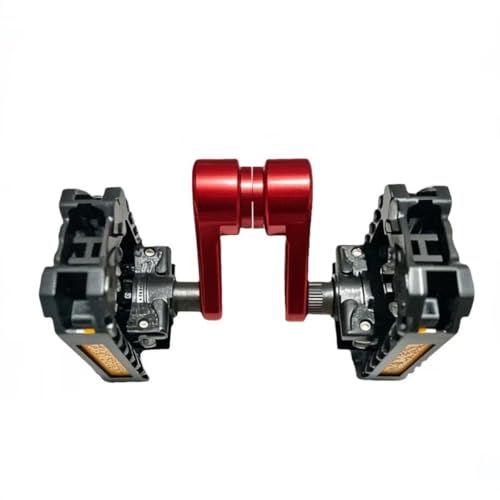 |
| Pedal Assist Sensor, 12 Magnets E PAS System | Tbest | Dual-magnetic loop for stable, responsive sensing |  |
| E Bike Pedal Assistant Sensor KT D12 | HUDAMZKY | Concealed, low-profile installation with dual Hall sensors |  |
| Pedal Assist Sensor for Bafang Hub Motor Kit | Powallon | Left-side hub motor compatibility with 3-pin connector |  |
Note: Each kit has its own mounting requirements and cable lengths. When selecting a kit, consider your bike’s bottom bracket type, crank design, and whether you prefer a left-crank or hub-mounted sensor for your build. The visual and technical details below provide a practical snapshot for comparison.
Pedal Assist Sensor Kit By Jwthee
The Jwthee pedal assist kit is designed for bicycle bottom brackets and ships with a standard 1-meter cable featuring color-coded wires (red 5V, green signal, black ground). It is installed by snapping the sensor ring onto the bottom bracket and securing the outer casing to the frame. Its 12 magnets align with a high-precision Hall sensor, delivering rapid, 1:1 power assistance as you pedal. The system detects riding direction, helping maintain a natural feel during forward motion and stopping while coasting. This kit supports both left and right mounting, enabling flexible configurations for various frame geometries.
Key considerations:
– Installation simplicity: snap-on ring, outer casing attachment
– 12-magnet, Hall sensor design for quick response
– Clear 5V, signal, and ground wiring for straightforward integration
– Direction detection enhances ride predictability
– Suitable for road and mountain bikes with standard bottom brackets
Universal Short Crank Pedal Adapter Kit
The APICINA kit emphasizes a short crank design aimed at delivery riders and urban commuters who face frequent starts and stops. It converts non-pedal bikes into pedal-assist systems by mounting on the center shaft without removing the bottom bracket, enabling a fast, tool-free retrofit. Constructed from aluminum alloy, the kit promises durability and a reliable load-bearing profile for daily use. The included anti-slip pedals contribute to safer operation in traffic and busy city environments. This adapter is particularly appealing for retrofits on delivery scooters, e-bikes, and modified commuter bikes.
Key considerations:
– Tool-free conversion and fast retrofitting
– Short crank design reduces leg fatigue in stop-and-go riding
– Aluminum alloy ensures strength and corrosion resistance
– Direct center shaft mounting for broad compatibility
– Improves comfort during long shifts and tight maneuvering
Pedal Assist Sensor With Dual Magnetic Loop
The Tbest pedal assist sensor uses a dual-magnetic loop (Hall effect) to detect pedal torque and translate it into a pedal-assist signal. It is designed to be compatible with a wide range of electric bicycles and emphasizes stable, sensitive detection. The dual-loop setup helps mitigate misreads during rapid pedaling changes or variable terrain, producing a more consistent assist level. This sensor is suitable for riders seeking reliable feedback without extensive calibration in typical riding conditions.
Key considerations:
– Broad compatibility with many e-bikes
– Dual-magnetic loop improves signal reliability
– Emphasis on stable performance for varied terrains
– Clear, responsive signals to the controller
– Useful for riders who value predictable assistance
KT D12 E PAS Sensor by HUDAMZKY

The HUDAMZKY KT D12 model focuses on concealed installation with a low-profile 6.4mm thickness and flexible mounting on either left or right crank sides. It supports V12L and VL12R variants and includes a waterproof plug option. The dual Hall sensor configuration yields improved sensitivity and stability, with a visible signal indicator that flashes as magnets pass. If you use KT displays, parameter adjustments from C1 to 7 may be necessary to optimize performance.
Key considerations:
– Concealed, clean integration with the BB area
– Left or right crank mounting options
– Waterproof plug availability for reliability in diverse conditions
– Dual Hall sensors for enhanced sensitivity
– Parameter tuning guidance for KT displays
Left-Side PAS Sensor for Bafang Hub Motors
This sensor is designed for left-side mounting on hub-motor systems (such as Bafang) and uses a 3-pin waterproof connector for UART protocol. It is compatible with various hub motor configurations and offers a 16.1-inch cable length for flexible routing. The design includes 12 magnetic units to provide smooth throttle-like response, aiding in consistent pedal-assist delivery for city commuting and light off-road use. Ideal for riders replacing or upgrading existing PAS components on hub-driven setups.
Key considerations:
– Left-side hub motor compatibility
– Waterproof 3-pin connector for reliable connections
– Moderate cable length for clean routing
– 12 magnet-assisted detection for responsive assist
– Best suited for hub-motor electric bikes
Buying Guide: Key Purchase Considerations and Comparisons
Purpose and compatibility: Determine whether you ride road, mountain, or urban delivery bikes and confirm the kit’s compatibility with your bike’s bottom bracket or hub motor. Some options are easier to retrofit without removing components, while others require more hands-on installation.
Sensor type and reliability: Kits with dual Hall sensors or 12 magnets tend to deliver more accurate and stable pedal-assist signals, reducing false readings during rapid pedal changes or rough terrain. Look for kits that specify sensor type and signal processing features.
Installation effort: If you prefer a quick upgrade, choose tool-free or snap-on options that attach to existing brackets. For a neater look, consider concealed installations and low-profile sensors that integrate with the frame.
Cable management and durability: Longer cables provide flexibility, but ensure they’re shielded and routed away from moving parts. Waterproof connectors and weatherproof plugs enhance long-term reliability in varying conditions.
Brand ecosystem and future-proofing: Some kits are designed to work with particular controllers or displays. If you plan future upgrades (e.g., different displays or motor types), check compatibility across brands to avoid incompatibilities.
Pricing and support: Compare initial costs with potential maintenance or replacement parts. Look for sellers offering clear documentation, user manuals, and customer support to assist with installation questions and troubleshooting.
In summary, the best pedal assist kit for you balances installation ease, compatibility with your bike, and dependable signal quality. Whether you prioritize a quick retrofit for urban commuting or a stealthier, concealed setup for a cleaner frame aesthetic, the options reviewed here cover a range of needs and riding styles.