Best Outdoor Pipe Heating Cables for Protecting Water Lines in Cold Weather
Stay prepared for freezing temperatures with reliable pipe heat cables designed to prevent bursts and maintain water flow. This guide highlights five top options, covering a range of lengths, materials, and safety certifications to help homeowners choose the right solution for outdoor and exposed pipes.
| Product | Length | W/ft (Approx) | Key Benefit |
|---|---|---|---|
| HEATIT 40 ft Self-Regulating Heating Cable | 40 ft | 3 W/ft | Extensive protection, ETL listed |
| Frost King HC6A | 6 ft | 7 W/ft | Compact, strong protection |
| JDZKOMKE 50 ft Pipe Heating Cable | 50 ft | 5 W/ft | Industrial-grade, full-certification |
| MAXKOSKO 6 ft Heating Cable | 6 ft | 5 W/ft | Self-regulating, easy installation |
| PBPHX 30 ft Heat Tape | 30 ft | ~3 W/ft | UL certified, versatile uses |
Choosing the right outdoor pipe heating cable involves understanding length needs, pipe material compatibility, energy use, and safety certifications. This article weighs practical factors and compares features across popular options to help you select a solution that fits your climate and budget.
HEATIT 40ft Self-Regulating Heating Cable

The HEATIT 40ft model provides self-regulating heating to protect pipes against freezing down to -40°F (-40°C). It includes a 2 ft power cord and options extending from 3 ft to 160 ft. This product features full ETL listing for safety along with UL-certified plug protection, ensuring compliance across North America. It is suitable for both metal and plastic water pipes and is designed to reduce energy usage by adjusting heat output to the surrounding temperature. A solid choice for longer runs or outdoor installations where extended protection is needed.
Frost King HC6A Automatic Electric Heating Cable
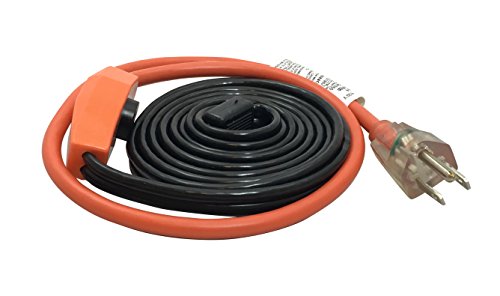
The Frost King HC6A is designed for 6-foot runs with 7W per foot, keeping water flowing in temperatures down to -40°F. It is suitable for both metal and plastic pipes, making it versatile for a range of outdoor plumbing setups. The hardware is compact enough to fit in tight spaces and is ideal for protecting shorter outdoor runs that require dedicated heat along the length of the pipe. This option emphasizes quick setup and reliable freeze protection in moderate winter zones.
JDZKOMKE 50 ft Pipe Heating Cable

JDZKOMKE offers a 50-foot heating cable designed for both metal and plastic pipes, with a 5W/ft output that protects against freezing down to -40°F. The entire heating cable meets certification standards, including a 70% aluminum alloy shield to minimize the risk of shorts, and a robust TPE jacket with IP67 protection. It includes a 5-foot grounded plug with an indicator light and is backed by product liability insurance. This option is well-suited for longer runs or exposed pipe sections where durability and full certification are critical.
MAXKOSKO 6 ft Heating Cable

MAXKOSKO’s 6-foot self-regulating heating cable uses a 5W/ft output and includes a 3-foot power cord. The system automatically heats when temperatures fall below about 38°F, helping to conserve energy by avoiding unnecessary heat when conditions are mild. It is described as compatible with both metal and plastic pipes and is designed to be installed straight, spiraled, or overlapped to suit different routing needs. A practical pick for mid-length runs where flexibility in installation is beneficial.
PBPHX 30 ft Heat Tape for Water Pipes

PBPHX’s 30-foot heat tape is designed for a wide range of pipe protection tasks, including roof de-icing and gutter heating. It features full-cable UL safety certification and a 1 million dollar product liability insurance policy. The package includes a 5-foot grounded plug with an indicator light and is suitable for 30-160 foot applications across homes and outdoor installations. Its versatility makes it a solid choice for multi-use winter protection scenarios beyond standard pipe immunity.
Buying Guide
- Length and layout: Choose a length that matches the distance to be protected. Longer runs may require energy efficiency considerations and a more robust self-regulating system to avoid overheating.
- Pipe material compatibility: Ensure the cable is suitable for both metal and plastic pipes (copper, PVC, PEX, etc.).
- Power and heat per foot: Verify the W/ft rating aligns with your climate and desired protection. Higher values provide stronger protection but consume more energy.
- Self-regulating vs fixed heat output: Self-regulating cables adjust heat output based on temperature, reducing energy use and minimizing overheating risks. Fixed-output cables heat at a constant level and may be simpler for short runs.
- Certifications and safety: Look for full-cable certification (ETL, CSA) and UL-listed plugs. Full-cable certification is essential for overall safety reliability.
- Durability and installation: Consider jackets designed to withstand moisture, UV exposure, and physical impact. IP ratings (like IP67) indicate moisture resistance suitable for outdoor use.
- Warranty and support: Check warranty length and supplier support, especially for longer or exposed installations where failures could be costly.
- Installation method: Some cables are straight-run ready, while others accommodate spiraling or overlapping. Plan your route to avoid kinks and overlapping that can create hotspots.
- Insurance and liability: Some products offer liability coverage; weigh this when protecting critical outdoor piping.
When selecting a cable, balance length, protection level, and safety certifications. For lengthy outdoor runs or exposed pipes in harsh climates, prioritize full-cable certification and ETL/CSA approvals, along with rated protection down to -40°F. For shorter runs in milder climates, compact options with robust warranties and simple installation can provide reliable protection with easier setup.