Best Oil Water Heater Tank Options for Expansion and Protection
Find the right expansion and protection solution for your potable water system. This guide highlights five reliable tanks, explaining who each is best for and why they are a strong choice. Ideal buyers include homeowners replacing an aging tank, installers seeking straightforward connections, and small commercial setups requiring dependable pressure control. The table below summarizes key details to help you compare quickly.
| Product | Capacity | Connection | Best For | |
|---|---|---|---|---|
| EFIELD Water Heater Expansion Tank | 2.1 Gallon | 3/4″ MNPT | Residential single-family homes | Reliable thermal pressure protection and potable water suitability |
| Watts Potable Water Expansion Tank (10-4.5 gal) | 4.5 Gallon | 3/4″ male | Medium to larger residential systems | High capacity and durable construction for safe pressure control |
| Pro Water Parts 2 Gallon Expansion Tank | 2 Gallon | 1/2″ Female NPT | Compact spaces and tighter plumbing runs | Lightweight option with wall-mount compatibility |
| GUOFIS 2.1 Gallon Water Heater Expansion Tank | 2.1 Gallon | 3/4″ MNPT | Standard home installations | Two capacity options and universal MNPT fit |
| BOSCH Mini-Tank Electric Water Heater | 2.5 Gallon | 120V, 3-prong plug | Point-of-use deployments under sink | Efficient, compact, easy to install |
EFIELD Water Heater Expansion Tank

Features: Reliable Pressure Protection; Safe for Drinking Water; Easy 3/4″ MNPT Connection. This tank is designed to absorb excess thermal pressure and protect both the water heater and plumbing. It is certified for potable water use, making it suitable where drinking water safety matters. The 3/4″ MNPT connection supports standard installation. Best for straightforward, residential installations where potable water safety is a priority.
- Best for: Homeowners seeking dependable, potable-water-rated expansion protection.
- Why chosen: Combines essential pressure protection with a standard connection for easy setup.
- Caution: Confirm space for a 2.1 gallon tank in tight utility areas.
Watts Potable Water Expansion Tank (4.5 gal)
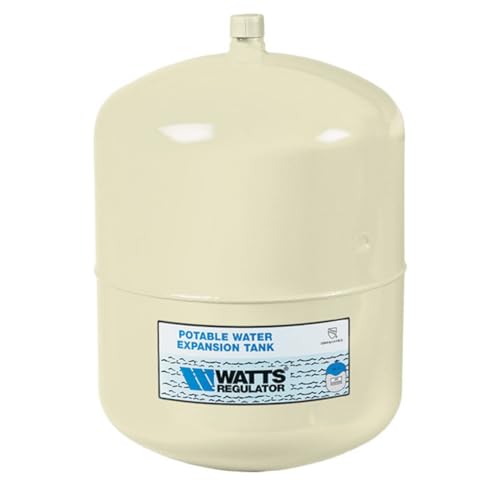
Features: 4.5 gallon capacity; 3/4-inch male connection; carbon steel with epoxy finish; durable expansion membrane. Designed for both commercial and residential water heating systems to manage thermal expansion and maintain safe pressures. Best for larger homes or setups needing greater expansion capacity.
- Best for: Homes with larger hot-water Circuits or multi-point usage.
- Why chosen: Higher capacity reduces cycling and maintains steady pressures.
- Caution: Heavier and bulkier; ensure mounting space and support.
2 Gallon Accumulator Expansion Tank With Wall Mount Bracket

Features: 2 Gallon capacity; 1/2″ Female NPT; includes wall brackets; up to 130 PSI. This compact option is suitable where wall space is limited and simple installation is desired. Best for apartments or small consumptions where a small footprint is needed.
- Best for: Tight spaces or single-apartment installations.
- Why chosen: Lightweight and wall-mount friendly for confined areas.
- Caution: Lower capacity means more frequent pressure cycling in high-use scenarios.
GUOFIS 2.1 Gallon Water Heater Expansion Tank

Features: Thermal pressure control; 2.1-gallon capacity; 3/4″ MNPT connection; two capacity options available. Best for standard home installations where reliable thermal pressure management is needed and a universal MNPT fit is preferred.
- Best for: Typical single-family homes seeking a reliable expansion solution.
- Why chosen: Wide compatibility with common heater setups; solid balance of size and performance.
- Caution: Ensure the 3/4″ MNPT thread will align with existing piping; consider extra adapters if needed.
BOSCH Mini-Tank Electric Water Heater (ES2.5)
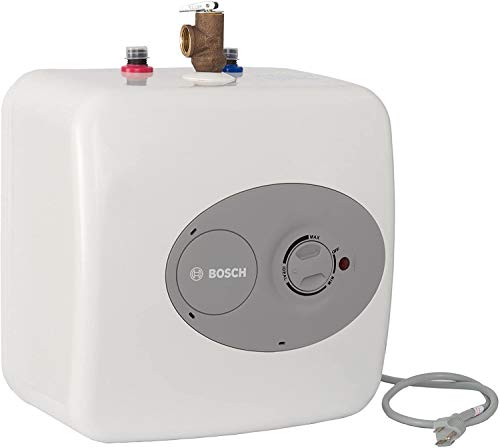
Features: 2.5 gallon capacity; 120V, 12A; 98% thermal efficiency; compact dimensions. Best for point-of-use hot water needs under sinks or in small apartments where a dedicated space is available.
- Best for: Under-sink installations needing instant hot water with minimal footprint.
- Why chosen: Quick delivery of hot water at the point of use with a simple setup.
- Caution: Not designed to replace a full-sized storage tank; limited hot water output for larger households.
Buying Guide
What is an expansion tank and why do I need one?
An expansion tank absorbs excess pressure created when water is heated in a closed plumbing system. It protects the water heater and plumbing from thermal expansion, reducing the risk of leaks and pressure-related damage.
Which capacity should I choose?
Choose capacity based on your system size and hot-water usage. Smaller homes with lower draw may be fine with 2-3 gallon tanks. Larger households or multi-point usage often benefit from 4.5 gallon tanks for fewer fluctuations.
What connection type matters?
Most residential tanks use 3/4″ MNPT or 1/2″ NPT connections. Verify your piping and fittings before purchasing. A universal MNPT fit eases installation in many homes.
Is a potable water-rated tank important?
Yes, for safety, especially if the tank contacts drinking water lines. Look for certifications or explicit labeling that confirms suitability for potable water use.
Where should I install?
Install near the water heater or main supply line for minimal pipe length and easier maintenance. Ensure adequate clearance for service and venting if applicable.
What are common warnings to watch?
- Over-pressurization risk if the tank is undersized for high hot-water demand.
- Space constraints can limit selection; check dimensions and mounting requirements.
- Compatibility with existing plumbing and safety devices like T&P valves is essential.
Maintenance tips
- Inspect for leaks and corrosion periodically.
- Ensure the membrane and seals remain intact for reliable pressure control.
- Test system pressure and flushing as per local codes or installer guidance.
Frequently asked questions
- Do I need an expansion tank if I have an old system?
- Can I install an expansion tank myself?
- Will a larger tank save more energy?
- Is a potable-water rated tank required?
- What if my space is very limited?
- Can these tanks be used for commercial systems?
Yes, expansion tanks help prevent pressure buildup in closed systems and protect components.
Simple units with standard MNPT connections are doable for handy homeowners, but consult a professional for complex setups.
Not directly; energy savings come from efficient heating and insulation, but a proper tank reduces pressure-related wear.
Recommended if the tank contacts potable water lines to ensure water safety.
Choose a smaller capacity tank or wall-mounted model designed for tight spaces.
Yes, larger capacity models from reputable brands are suited for commercial or multi-user setups.