Best New Carbon Monoxide Detectors for Safer Homes in 2026
Protecting your household from carbon monoxide starts with reliable detection. The following picks represent a range of reliable, user-friendly CO detectors that suit different needs—from battery-powered portability to plug-in reliability with backup systems. Below you’ll find concise product details, plus a buying guide to help you compare options on the market today.
| Product | Brand | Type | |
|---|---|---|---|
| Kidde Carbon Monoxide Detector, Battery Powered CO Alarm with LEDs | Kidde | Battery-powered | Operates during power outages |
| 4-in-1 Upgraded Natural Gas Leak Detector and Carbon Monoxide Detectors | NICGOL | Plug-in with dual sensors | Detects CO, natural gas, temperature, humidity |
| Kidde Carbon Monoxide Detector, AA Battery Powered CO Alarm | Kidde | Battery-powered | Portable and easy installation |
| First Alert Combination Smoke & Carbon Monoxide Alarm, Interconnect | First Alert | Hardwired with battery backup | Interconnects for whole-home alerts |
| First Alert CO600 Carbon Monoxide Detector, Plug-In | First Alert | Plug-in | Simple installation with loud alarm |
Kidde Battery-Powered CO Alarm With LEDs
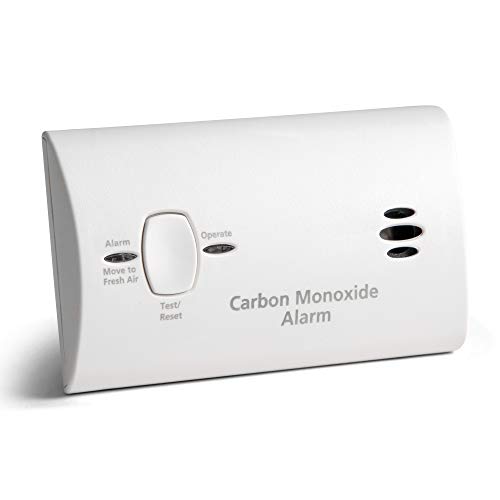
The Kidde Carbon Monoxide Detector with an electrochemical sensor offers reliable CO detection without wiring. It runs on 2-AA batteries, ensuring operation during power failures. Installation options are flexible: mount on a wall or place on a tabletop, making it suitable for bedrooms, kitchens, and living rooms. The device features a green LED indicating power status and an 85-decibel alarm with a red LED to signal CO presence. This model is ideal for renters or homeowners seeking a straightforward, portable CO alarm that remains active during outages. Its compact design fits most room layouts without obstructing doorways or outlets.
Key considerations:
- Power resilience during outages due to battery operation.
- Clear audible and visual alert indicators.
- Simple installation with no wiring required.
Typical users might place this detector in sleeping areas for nighttime safety or in living spaces where occupants spend extended periods. Regular battery replacement ensures continuous monitoring, and the device’s audible alarm meets common safety standards for residential CO detection.
NICGOL 4-in-1 Gas & Carbon Monoxide Detector

This upgraded NICGOL device combines four sensing functions in one plug-in unit: natural gas, carbon monoxide, temperature, and humidity. Dual sensors and alarms provide layered alerts, including both audible and visual signals (a flashing red light when danger is detected). The detector supports 110V–220V outlets, offering energy-efficient operation and long-term reliability. An important feature is its dual alarm system, designed to deliver rapid warnings in environments where gas leaks and CO exposure require immediate attention—ideal for kitchens, basements, or RV installations where gas usage is common.
Key considerations:
- Multi-sensor detection reduces false alarms and improves safety coverage.
- Plug-in design with broad voltage compatibility.
- Energy efficiency with low power consumption.
Ideal for households with gas appliances or RV owners who need reliable, continuous monitoring. The device’s dual sensors help balance long-term use with accurate alerts while minimizing nuisance alarms in living spaces.
Kidde AA Battery Powered CO Alarm
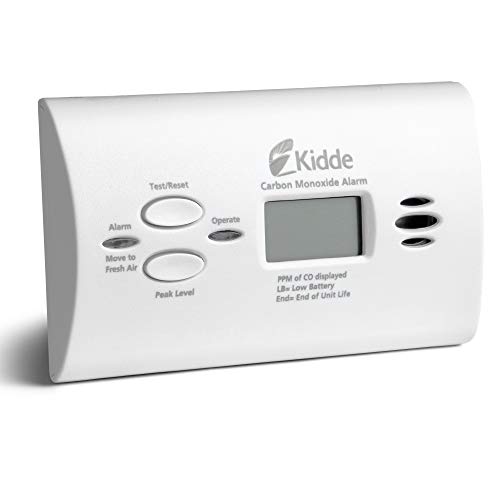
This Kidde model uses an electrochemical sensor to detect carbon monoxide and runs on two AA batteries, enabling operation during power outages. Its portability and simple installation—wall mounting or tabletop placement—make it accessible for rooms where a wired detector would be impractical. LED indicators show power status, while the audible alarm alerts occupants to CO presence. The device is designed for straightforward maintenance, with battery replacement as a routine part of safety checks.
Key considerations:
- Battery-powered reliability during outages.
- Space-saving design for small rooms or apartments.
- Clear audible and visual alerts for quick response.
Potential placements include bedrooms, hallways, and home offices where occupants spend significant time. Keeping spare batteries on hand is a practical safety practice to ensure uninterrupted monitoring.
First Alert Combination Smoke & CO Alarm (Interconnect)

This First Alert interconnect hardwired smoke and carbon monoxide alarm adds an extra layer of safety with precision detection and early warning capabilities. The interconnect feature ensures that when one alarm detects smoke or CO, all compatible alarms in the home sound simultaneously, increasing the likelihood of rapid occupant notification. The quick-connect plug simplifies installation, eliminating the need to rewire. A battery backup is typically included to maintain operation during power interruptions, making this a strong choice for a primary detector in central living areas and bedrooms.
Key considerations:
- Interconnected alarms for comprehensive home coverage.
- Easy installation with plug-in compatibility.
- Advanced sensing to reduce nuisance alarms in the kitchen area.
Best suited for new home builds or renovations, where wiring can support a centralized alarm network. It provides robust safety while maintaining user-friendly maintenance routines.
First Alert Combination Smoke & CO Alarm, Battery Operated

This battery-operated First Alert detector provides two-in-one protection against smoke and carbon monoxide. It offers easy installation without electrical work, making it suitable for rentals or rooms where wiring isn’t feasible. The device features First Alert’s Precision Detection for updated standards, aiming to reduce nuisance alarms while delivering reliable warnings in the event of CO exposure or smoke. The unit operates on batteries and includes a test button for routine safety checks, with a built-in silence function to quickly mute alarms when appropriate.
Key considerations:
- No wiring required; simple deployment.
- 2-in-1 protection for smoke and CO.
- Battery-powered for reliability during outages.
Placement ideas include bedrooms, hallways, and living areas where monitoring is critical. Regular testing and timely battery replacement are essential for maintaining optimal performance.
Kidde Plug-in CO Detector with Battery Backup
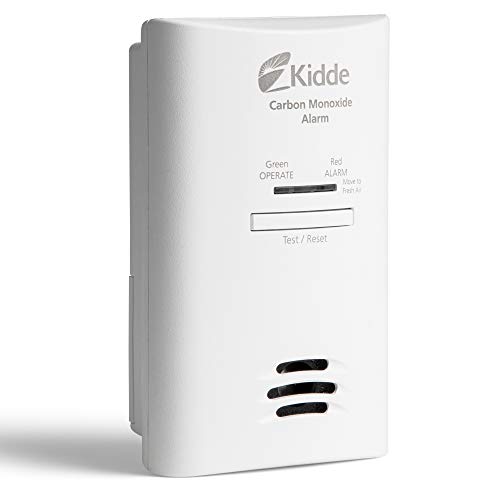
This Kidde model combines plug-in convenience with a battery backup, ensuring continuous CO monitoring during a power outage. It is easily installed in any standard wall outlet and features an 85-decibel alarm that announces when carbon monoxide is detected. The backup battery protects against brief outages, offering peace of mind in homes with older electrical systems or frequent weather-related power interruptions. The device’s straightforward operation makes it a practical choice for bedrooms and living spaces where simple, reliable detection is essential.
Key considerations:
- Plug-in operation with battery backup for outages.
- Simple setup suitable for any room with a standard outlet.
- Clear alarm signaling for CO detection.
Overall, it serves as a dependable main CO detector for modern homes, especially in spaces where dedicated outlets are readily available and maintenance is minimal.
Buying Guide: Key Purchase Considerations for CO Detectors
- Sensing technology: Electrochemical sensors are the standard for accurate CO detection; avoid models with outdated or questionable sensor types.
- Power source: Decide between plug-in, battery-powered, or hardwired with battery backup. Power outages can affect safety, so a backup option is valuable.
- Alerts and indicators: Look for loud alarms (at least 85 decibels) and clear visual indicators (LEDs) to ensure detection is obvious in noisy or dark environments.
- Interconnection: For larger homes, interconnect capable alarms provide universal alerts across multiple rooms.
- Ease of installation and maintenance: Favor devices that are easy to mount, replace batteries, and test regularly without professional help.
- Multi-sensor options: Some models combine CO with other detections like natural gas, temperature, and humidity to provide broader safety coverage in one unit.
- Location guidelines: Install detectors on every level of the home, near sleeping areas, and away from drafts, cooking appliances, or direct sunlight to minimize false alarms.
- Maintenance schedule: Establish a routine to test devices monthly and replace batteries per manufacturer guidance or as the device indicates.
When choosing among options, consider your home layout, electrical infrastructure, and whether you prefer a single-room detector or a connected system that covers multiple zones. For renters or temporary spaces, battery-powered detectors offer flexible safety without wiring. For new builds or renovations, hardwired or plug-in devices with backup provide long-term reliability and simplicity in upkeep.