Best Natural Gas Alarm Detectors for Home Safety
Natural gas safety starts with reliable detection. The following detectors are designed to alert you quickly to propane, methane, and other combustible gas leaks, whether you’re at home, in an RV, or traveling. Each device combines audible alarms with visual indicators and, in some cases, smart features for remote monitoring. This guide highlights five top options, detailing core capabilities to help you choose the right detector for your environment and power preferences.
| Product | Brand | Power | Highlights |
|---|---|---|---|
| Firlarm Natural Gas Detector | Firlarm | Plug-in (110V–220V) | Multi-gas detection, 85 dB alarm, LED display |
| Smarter Living WiFi Gas Alarm | Smarter Living | Plug-in with App alerts | UL 1484 compliant, phone notifications, 70 dB on-device alarm |
| Xalire Gas Leak Detector | Xalire | Plug-in | LED display, 85 dB alarm, supports home and RV use |
| HSTMYFS Natural Gas Leak Detector | HSTMYFS | Plug-in | Multiple gas detection, 85 dB alarm |
| Daffypop 4-in-1 CO & Gas Detector | Daffypop | Plug-in | Detects CO, methane, propane; temp & humidity display |
Firlarm Natural Gas Detector

The Firlarm device is designed for home safety with multi-gas detection that extends beyond natural gas to propane, LPG, and LNG. Real-time monitoring runs continuously, triggering an 85 dB audible alarm plus synchronized red LEDs when gas levels rise above 3% LEL. Its flame-retardant PC housing helps protect internal electronics, and power usage is kept under 2W. The unit plugs into a standard socket and supports 110V–220V AC for flexible installation in kitchens, utility rooms, or RV setups. For best results, install in clean, dry areas away from drafts or heat sources.
Operational notes emphasize rapid response and clear signaling. The device offers automatic intensity adjustment based on concentration changes, which helps reduce nuisance alarms while still ensuring timely warnings as conditions worsen. Installation is straightforward, and its continuous monitoring helps provide peace of mind for households with natural gas appliances and backup power considerations. This detector is suitable for users seeking a no-fruss setup with dependable performance.
Kidde Carbon Monoxide & Gas Alarm
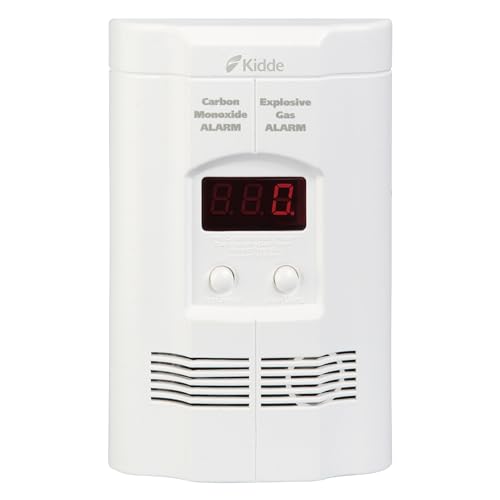
The Kidde unit provides a plug-in solution with a 9-volt battery backup, ensuring protection during power outages. Its digital LED display can show the current CO levels or display a “GAS” indicator when explosive gas is detected. This model is well-suited for bedrooms, living rooms, or hallways where a compact, straightforward detector is preferred. The keypad-free design makes it easy to install and maintain, and the backup battery adds resilience for households in areas with unstable electricity supply.
While primarily a CO detector, its gas alarm capability adds versatility for households with mixed concerns about odorless gases. The digital readout improves situational awareness, particularly for occupants who want to monitor changing gas conditions at a glance. It is best used in spaces where a combination CO/gas alert is advantageous and a single, simple device is desired for ease of use and reliability.
Carbon Monoxide Detector Plug In: 6-in-1

This 6-in-1 detector combines CO, combustible gas, and smoke detection with environmental sensors for humidity and temperature. It integrates a magnetic base for flexible mounting and a battery backup for operation during outages. A 2.8-inch rotatable color display provides real-time readings for CO, gas, smoke, temperature, and humidity. The dual power option—standard AC plug or magnetic adapter—makes it a versatile choice for homes, RVs, and travel scenarios where portability is valuable. The device emphasizes clear, at-a-glance monitoring alongside constant audible alerts.
Smarter Living WiFi Gas Alarm

The Smarter Living gas alarm stands out for app-based monitoring. It is UL 1484 compliant and offers gas detection for natural gas, propane, methane, and related gases, with an audible alarm on the device and optional phone alerts when connected to the Smart Life or Tuya apps. The device supports remote monitoring, making it suitable for homeowners who want to know their gas status while away from home. The unit includes a 70 dB local alarm, providing a backup signal even if a phone notification is delayed or unavailable.
Design considerations include the balance between local alarm intensity and network-dependent alerts. The product’s app integration enables history tracking and concentration readouts, which can help identify leaks over time. This makes it a solid choice for tech-savvy households that value real-time notifications and remote access in addition to the on-device alarm.
Daffypop 4-in-1 Detector

The Daffypop device offers a comprehensive 4-in-1 safety solution by detecting carbon monoxide, methane, propane, and other gases. It plugs into a standard outlet for continuous monitoring and includes a temperature and humidity display, supporting users who want a broader indoor environmental view. This model emphasizes quick, real-time alerts to protect families, seniors, and pets, with a focus on ease of use and immediate signaling in case of a leak.
In addition to the core gas and CO detection, the built-in environmental readouts provide context that helps occupants respond appropriately. The unit is suitable for kitchens, RVs, hotel rooms, and travel, where a compact yet capable detector can add a layered safety net without requiring complex installation or maintenance.
Buying Guide: Key Points To Consider
When selecting a natural gas detector, consider the following factors to ensure the right fit for your home or vehicle:
- Detection scope: Look for devices that detect natural gas, propane, methane, LPG, LNG, and other likely fuels in your area. Multi-gas detectors reduce the need for multiple devices.
- Alarm methods: Prioritize devices with loud local alarms (65–85 dB or higher) and visual indicators. Some models offer mobile notifications or app-based alerts for remote monitoring.
- Power and backup: Plug-in units with battery backups provide resilience during outages. Assess whether you need a device that can operate on AC power alone or one with portable options for RVs and travel.
- Display and indicators: Real-time LED displays or LCD screens help users quickly gauge gas levels. A rotating display or color-coded indicators can improve readability in emergencies.
- Connectivity: WiFi-enabled detectors offer remote alerts and history logs. Consider whether you want app integration with platforms like Smart Life or Tuya for broader home automation compatibility.
- Placement and coverage: Install detectors in kitchens, near gas appliances, and in sleeping areas for best response times. Avoid enclosures, vents, and high-humidity zones that could affect readings.
- Maintenance: Check for calibration requirements, sensor life, and ease of replacement. A low-maintenance unit reduces the likelihood of false alarms or missed warnings.
- Portability: If you move between home, RV, or travel spaces, evaluate whether a plug-in or portable detector better suits your routine and power access.
- Regulatory compliance: UL or equivalent certifications (such as UL 1484) indicate adherence to safety standards, enhancing reliability and consumer trust.