Best Multi-Speed Electric Motors for DIY Projects and Heavy Machinery
When selecting a multi-speed electric motor, the goal is to match torque, speed range, and control options to your specific task. This guide highlights five relevant Amazon motors, explains who each is best for, and includes a practical buying guide and FAQ to help you decide.
The following quick-reference table summarizes the five products. It focuses on who each motor is best for, the key speed range, and notable strengths or limits. Use it to compare options at a glance.
| Product | Best For | Key Speed Range | Why Pick It |
|---|---|---|---|
| VQP High Torque AC Motor + Speed Controller + Gear Box | Heavy machinery and conveyors | 0–135 RPM | High torque, reversible, integrated control box |
| Kittmip 12V-24V DC Geared Motor Kit | DIY robotics and high-speed prototypes | 3500–7000 RPM | All-in-one power bundle, standard 8 mm shaft |
| Unndysrt 48V 1000W Brushed Motor Kit | E-bike style projects and light go-karts | ~0–3000 RPM | High power, robust build, load-bearing design |
| Cyrank 12V Gear Motor | Small automation and robotics | 15–200 RPM | Multi-stage gear reduction, high torque for tiny motors |
| Vevitts Small Brushed Motor | Personal electric mobility and hobby projects | ~0–3000 RPM | Durable aluminum body, 24V, 3000 RPM |
High Torque AC Motor With Gearbox And Controller

This wind-up, single-phase motor is designed for applications needing significant torque and reliable direction control. The gear box and control box are integrated, reducing setup time. The motor delivers a torque of about 16 NM and a controllable speed range from 0 to 135 RPM. Best for heavy conveyors, automated presses, or large hobby machines where precision low-speed operation matters. A clear limitation is that it runs on 110V AC, so compatibility with low-voltage systems requires an appropriate power supply.
Best for: Workholding equipment, belt-driven conveyors, and reversing systems where slow, powerful rotation is essential. Choose this if you need a compact, all-in-one low-speed solution with easy direction control.
Caution: Ensure proper heat dissipation for extended operation at higher torque settings; verify enclosure and wiring meets local electrical codes.
Kittmip DC Geared Motor Kit For DIY Projects

This all-in-one kit bundles a high-speed DC motor, speed controller, synchronous pulleys, timing belts, and connectors. It’s ideal for rapid-prototyping and small robotic builds. The motor delivers 3500 RPM at 12V and up to 7000 RPM at 24V, with a powerful 30W output. The standard 8 mm shaft matches common pulleys and gears, enabling secure transmission with minimal slippage. Best for: DIY robots, small CNC projects, and educational kits that require quick part compatibility.
Limitation: High-speed operation can generate heat; ensure adequate cooling and safe enclosure during continuous use.
Unndysrt 48V 1000W Brushed Motor Kit

Designed for electric bikes and light go-kart applications, this 1000W brushed DC motor kit offers robust power and reliable 3000 RPM operation. It emphasizes durability with a copper coil and corrosion-resistant construction. The kit includes a speed controller and components designed to support a practical load-bearing capacity, making it a solid option for hobbyists upgrading bicycles or creating small electric vehicles. Best for: users seeking a powerful, compact motor kit for mobility projects that require straightforward control.
Caution: Brushed motors produce more maintenance due to brush wear; plan for eventual brush replacement or motor swap over time.
Cyrank 12V Geared Micro Motor

This micro geared motor emphasizes torque at low speeds. With a 12V supply, it provides a compact, metal gear design intended for precise control in robotics and automation tasks. The device is suitable for conveyor belts, small robotic arms, or other tasks that require controlled slow rotation with high torque. Best for: precise low-speed applications where space is limited and modular gear reduction is key.
Limitation: Output speed is highly dependent on the load and the gear ratio; expect slower response in high-load conditions.
Vevitts Small Brushed Motor For E-Scooter Projects
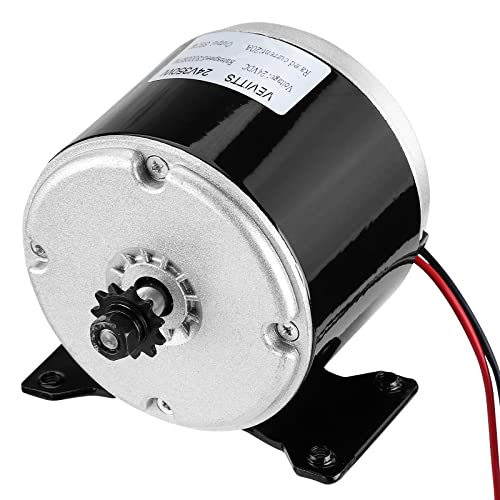
This 24V brushed motor is built for speed and durability in mobility-focused projects. With a 3000 RPM rating and a 24V supply, it’s suitable for compact electric scooters or similar drive systems. The aluminum body, full copper coil, and heat-resistance features contribute to longer life in demanding environments. Best for: lightweight mobility devices and hobby builds where moderate-to-high speed is desirable.
Limitation: Matching a compatible drive system is essential to avoid overheating and ensure efficient power transfer at higher loads.
Antrader DC Gear Motor, Micro High Torque
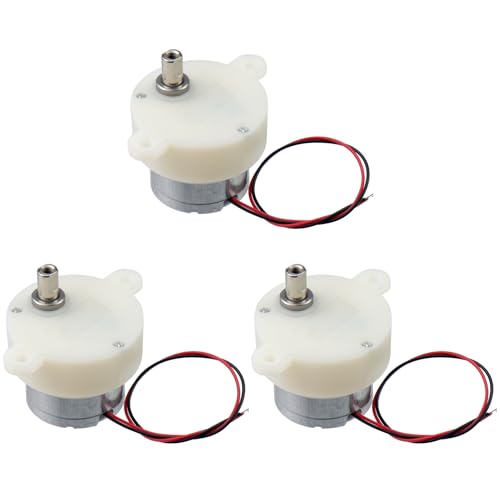
This compact DC gear motor delivers 5 RPM with a 6V supply, focusing on torque amplification via gear reduction. It is suited for micro-automation tasks, small hobby projects, and projects requiring controlled slow-motion operation. Best for: low-speed, high-torque needs in compact robotics. Limitations include limited raw speed and a plastic gear construction that may wear under heavy use.
Buying Guide: Key Considerations For Multi-Speed Electric Motors
Speed range, torque, voltage compatibility, and mounting compatibility are essential. Consider how the motor’s speed and torque translate to your load and the drive system you’ll employ. If you need precise slow-speed control, gear reduction and a dedicated controller help keep torque consistent across loads.
What tasks will you run?
Heavy machinery and conveyors typically demand high torque at low speeds and reliable direction control. For robotics and DIY projects, modular kits with speed controllers and pulleys provide flexibility and faster prototyping. Mobility devices benefit from higher-speed, moderate-torque motors with robust construction.
What voltage and power do you have?
Matches between motor voltage and your power source are critical. 110V AC motors are common in stationary setups; 12V–24V DC motors suit battery-powered projects. Check the controller and wiring requirements to avoid mismatches that impact performance or safety.
Do you need reversible operation?
Some applications require reversing rotation direction. If so, choose motors described as reversible or include a control box capable of reversing operation. Reversibility is particularly helpful for conveyors, winches, and robotic systems with bidirectional movement.
What about size, weight, and mounting?
Consider the footprint, shaft size, and mounting pattern. An 8mm shaft common in hobby motors simplifies pulley and gear compatibility. Ensure the mounting points align with your frame and that the overall weight fits your design constraints.
Maintenance and durability
Brushed motors require more maintenance due to brush wear, while brushless designs deliver longer life with less maintenance. Consider the environment—dust, heat, and moisture affect longevity and performance. Durable housings, good heat management, and corrosion resistance extend service life in demanding setups.
Cost vs. performance
Higher torque and broader speed ranges typically come at a higher price. Balance necessity with budget by prioritizing torque at the required speed range and the reliability of the control system. Look for integrated controllers if you want fewer separate components.
FAQ: Quick Answers For Buyers
- What is a multi-speed electric motor used for? It provides different rotation speeds and torque levels for tasks such as conveyors, robotics, vehicles, and hobby projects requiring variable motion.
- Do I need a controller with every motor? Not always, but many motors come with integrated controllers or require a separate speed controller for full range tuning, especially at low speeds.
- Are brushed or brushless motors better? Brushed motors are simpler and cheaper but need more maintenance; brushless motors offer longer life and efficiency but cost more and require more complex controllers.
- What voltage should I choose? Align voltage with your power source and driver. 110V AC is common for stationary installations; 12V–24V DC is typical for battery-powered projects.
- How critical is shaft size? Shaft diameter and length determine compatibility with pulleys and gears. An 8 mm shaft is a widely used standard for many hobby motors.
- What about safety and wiring? Use appropriate enclosures, thermal management, and properly rated connectors. Follow local electrical codes when wiring high-power motors.