Best Mobile Hot Water Heaters for Quick on-Demand Warmth
Finding a reliable hot water solution on the go or in compact spaces requires portable, efficient design. This guide highlights five mobile-friendly or space‑saving options that deliver instant warmth, whether you’re at home, in a camper, or in a workshop. Each pick prioritizes safety, ease of use, and efficient energy use, helping you choose the right unit for on‑demand hot water wherever you are.
Summary of Selected Products
- Immersion Water Heater 1800W (AMOZOK) — Portable, versatile for buckets and tubs.
- Feelrogast Electric Tank Water Heater — Under-sink style with rapid heating and safety features.
- Tankless Water Heater Electric For Single Sink Faucet (ThermoMate) — Point-of-use convenience with self-modulating power.
- Rheem 18kW 240V Tankless Electric Water Heater — Higher capacity for multiple outlets in small spaces.
- Suburban Advantage RV Tank Water Heater SW10DE — Compact, durable option for travel and RV use.
Rheem 18kW 240V Tankless Electric Water Heater
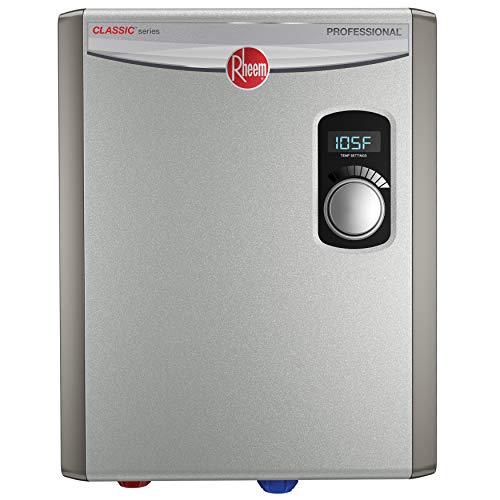
The Rheem model provides external digital thermostatic control with an LED display offering ±1 degree accuracy. It uses advanced self-modulation to adjust power in response to hot water demand and includes two durable copper immersion heating elements. The unit is field serviceable, making maintenance easier for setups with higher hot water needs. With a flow rate up to 4.4 GPM, it’s suitable for compact spaces that require reliable hot water for multiple uses simultaneously, such as a small apartment or a compact shop.
Key considerations: installation complexity and electrical requirements, compatibility with limited space, and whether a higher flow is necessary for your intended outlets. This model favors households needing higher instantaneous output without sacrificing compact form.
APUS Tankless Water Heater Propane
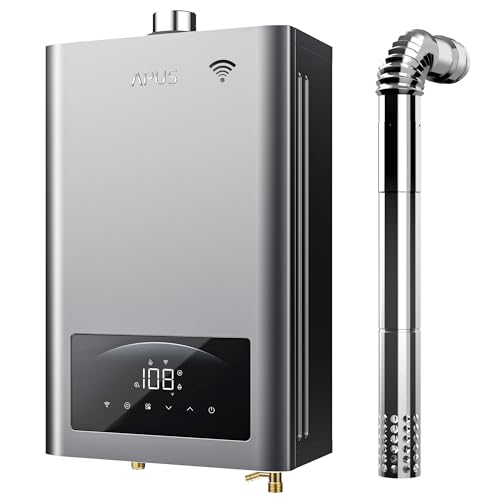
This upgraded propane tankless heater delivers 140,000 BTU, with a built-in booster pump that increases water flow to up to 6.8 GPM. It uses an oxygen-free copper heat exchanger and APUS’s single-circulation technology to minimize cold water head, delivering instant hot water. The system is designed to support two showers and two sinks at once in the same home, offering reliable performance and better energy efficiency compared with traditional tank systems. A Wi‑Fi app control adds convenience for monitoring and adjustments remotely.
Key considerations: fuel source flexibility (propane), venting needs, and the practicality of Wi‑Fi control in off-grid or remote locations. This unit shines where instant hot water matters across multiple fixtures with minimal temp fluctuation.
BOSCH Electric Mini-Tank Water Heater Tronic 3000 T 2.5-Gallon
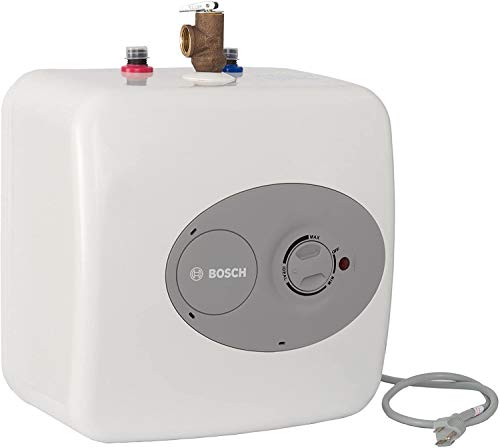
This 2.5-gallon point-of-use mini-tank fits under sinks for immediate hot water at the faucet. It features a high thermal efficiency of about 98% and compact dimensions (roughly 13.75 x 13.75 x 10.75 inches). It operates at 120V with a 12A draw, making independent installation straightforward or it can be plumbed in-line with a larger hot water source. This Bosch unit emphasizes quick access to hot water right where it’s needed, minimizing wait times in compact kitchens or bathrooms.
Key considerations: storage capacity limitations, installation location, and the electrical circuit requirements for a steady supply of hot water at the point of use.
EcoSmart ECO 11 Electric Tankless Water Heater

The EcoSmart ECO 11 delivers 13 kW at 240V with patented self-modulating technology. It provides endless on-demand hot water and maintains temperature within one degree, adjusting flow to conserve energy. The unit is notably compact—about 11.5 x 8 x 3.75 inches—and is suitable for wall or point-of-use installation. It claims high energy efficiency and 99% thermal efficiency by heating water only when needed, not maintaining it in a tank.
Key considerations: overall hot water demand, electrical service capacity, and whether the location benefits from a wall-mounted, space-saving solution with simple wiring.
Immersion Water Heater 1800W (AMOZOK)

This portable immersion heater offers 1800W of heating power, with a real-time temperature display and thermostat control. It features dry burn protection and an auto shutoff for safety. The heavy-duty 14-gauge power cord adds durability, and the controller should be kept above the water line for safety. It’s suitable for buckets, bathtubs, hot tubs, vessels, and other non-traditional water containers, making it a versatile option for temporary or travel use.
Key considerations: safe use in shallow or non-traditional containers, water depth and temperature limits, and the importance of keeping electrical components dry during operation.
Feelrogast Electric Tank Water Heater

This 8-gallon under-sink unit heats water rapidly with a 1500W element and a 316 stainless steel tank. Temperature is adjustable from 86°F to 167°F, and the design emphasizes durability with a thick stainless steel tank and enamel coating to resist rust and leaks. Safety features include electrical insulation on inlet/outlet, leakage protection, and a high-temperature limit device. It’s a solid option for RVs, under-sink installations, or small spaces needing a dependable hot water supply.
Key considerations: storage capacity versus demand, installation constraints under sinks or in small rooms, and ensuring compatibility with your household electrical setup and plumbing protocols.
Buying Guide: Key Purchase Considerations
- Water demand and flow: Choose a unit with a flow rate that matches your needs. Higher GPM models can serve multiple fixtures at once, while point-of-use heaters suit single outlets.
- Energy source and efficiency: Electric, propane, and hybrid options have different operating costs and installation needs. Self-modulating technologies help save energy by adjusting output to demand.
- Space and installation: Compact or under-sink units suit tight spaces, while wall-mounted or inline models fit various layouts. Check clearances and electrical capacity before purchasing.
- Safety features: Look for dry burn protection, thermal shutoffs, leakage protection, and proper certifications (ETL, UL, CE, ROHS) for reliable operation in different environments.
- Maintenance and serviceability: Field serviceable components and accessible heating elements reduce downtime. Consider models with simple filter or element replacement options.
- Temperature control: A stable setpoint within a narrow range minimizes scald risk and improves comfort. Self-modulating units help maintain consistent temperatures with fluctuating demand.
- Durability and materials: Copper heat exchangers and stainless steel tanks offer longevity and corrosion resistance, particularly in mobile or variable water quality settings.
- Installation versatility: Some units are portable or designed for RVs and campers, while others are ideal for under-sink installation or point-of-use setups. Match your use case to the product design.