Best Micro Hydro Power Generator Options for Independent Power
Micro hydro power generators offer compact, reliable electricity from flowing water. This guide highlights five top options, covering small-scale and higher-capacity designs to help readers compare outputs, durability, and suitability for remote cabins, camping, or emergency back-ups. Explore how each device converts water flow into usable electricity, plus practical considerations for setup and maintenance.
Summary Of Selected Products
- Beduan Micro Water Turbine Generator Hydroelectric Power G1/2″ 12V
- wonofa Hydroelectric Micro Generator 12V 10W
- Beduan Micro Water Turbine Generator Hydroelectric Power G1/2″ 24V
- ZHOZHUT 1000W Micro Hydroelectric Generator, 220V
- Tyenaza Water Turbine Generator, 12V Micro Generator
Beduan Micro Water Turbine Generator 12V
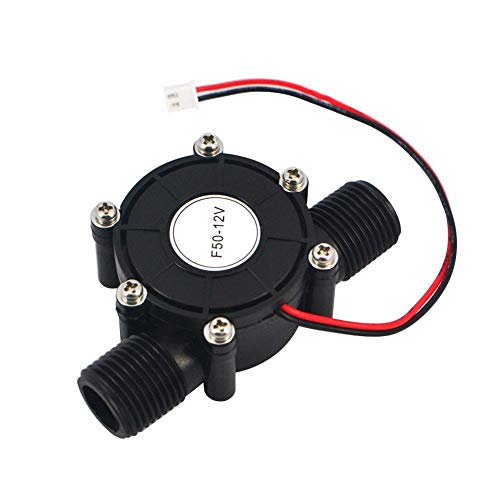
The Beduan setup delivers 12V DC output and is designed for compact micro-hydro projects. It specifies an outlet maximum pressure of 1.2 MPa and a generator life expectancy of at least 3000 hours. This unit supports powering a 12V radio, charging devices, and lighting with a maximum charging current around 220 mA. It is suitable for small-scale off-grid tasks and DIY water-to-electricity projects where space is limited. The sound level is listed as under 55 dB, making it relatively quiet for a tucked-away installation. Installation typically requires a steady vertical water supply and a matched outlet connection (G1/2″ male thread).
Key considerations include ensuring the water head and flow meet the generator’s minimum requirements, confirming compatibility with your battery charging needs, and planning for adequate heat dissipation. While 12V outputs suit low-power applications, multiple units can be paralleled with proper electrical design to increase capacity. Regular maintenance should focus on keeping the turbine housing clear of debris and monitoring the bearing wear as hours accumulate.
500W Mini Hydro Generator for Remote Cabins

This mid-range micro-hydro turbine is rated at 500 watts with a 0.5 gallons per second water flow. Built from an aluminum alloy housing, it emphasizes durability, corrosion resistance, and long service life. The device uses a pure copper coil for improved electrical conductivity and higher generation efficiency. A notable feature is its versatile water-head compatibility, designed to function with vertical drops in mountainous or forested terrain. Practical for cabins, remote shelters, and emergency backups, its relatively compact form supports straightforward installation in streambeds or diverted water channels.
Performance depends on consistent water pressure and flow; higher head and sustained flow yield better output. The aluminum alloy body helps withstand outdoor exposure, while the copper coil reduces electrical resistance, aiding long-term efficiency. Consider your climate, maintenance access, and the availability of a balanced load to prevent overloading the turbine. This unit benefits users seeking a robust, off-grid generator with a higher power ceiling than small 12V options.
Hydroelectric Micro Generator 12V 10W 1/2 Inch

The Wonofa micro hydro generator focuses on portability and long life, claiming more than 3000 hours of operation. It converts the kinetic energy of flowing water into DC electricity, suitable for charging small devices and powering low-watt appliances. The unit emphasizes UV resilience and corrosion resistance in its construction, with a durable exterior that suits outdoor use. For off-grid setups, its 12V output can charge batteries or directly supply low-power electronics, making it fitting for camping or bug-out scenarios where rapid deployment and reliability are valued.
Consider installation: ensure a stable water source with minimal debris, and assess whether 12V output aligns with your battery storage or direct-load needs. The generator’s efficiency and output depend on flow rate, so integrating the unit with a small battery bank can smooth power delivery. Routine checks should include cleaning the impeller area and confirming electrical connections remain protected from moisture.
ZHOZHUT 1000W Micro Hydroelectric Generator

The ZHOZHUT unit represents a higher power option, delivering up to 1000W at 220V AC. Its aluminum alloy shell and water wheel are designed for wear resistance and strong bearing capacity, with a pure copper core coil for lower resistance and improved conductivity. The compact footprint (roughly 19 cm by 11.4 cm by a few centimeters) and light weight around 3 kg make it portable for outdoor use, camping, or remote installations. Setup emphasizes finding a suitable water source, connecting water pipes to the inlet and outlet, and maintaining a steady water pressure to start generation.
While offering a substantial power ceiling, this model requires a suitable electrical system to handle 220V AC output or a step-down arrangement for compatible loads. Consider safety, electrical code compliance for outdoor use, vibration stability, and sheltering the unit from weather. Its high output is ideal for larger off-grid needs, workshops, or backup power stations where more continuous power is needed.
TyenaZa Water Turbine Generator 12V

The Tyenaza micro hydro generator focuses on 12V operation with a transparent shell that lets users observe the turbine in action. This feature supports DIY projects and educational demonstrations in addition to practical power generation. The unit emphasizes a lightweight, compact design with a smooth surface for easier installation and minimal corrosion risk. The kit is presented as suitable for various water-flow devices, including faucets and heaters that require a stable micro-generation source. With a transparent body, users can monitor flow, rpm, and power conversion in real time.
Important considerations include ensuring adequate water flow to achieve meaningful output, integrating with a storage solution if needed, and protecting the assembly from debris. This model is well-suited for experiments, small-scale off-grid applications, and learning environments where visibility into the power generation process adds value. Regular checks should focus on seal integrity and impeller wear as hours accumulate.
Buying Guide: Key Purchase Considerations And Comparisons
- Power output vs. water flow: Higher wattage units require more continuous and reliable water flow. Match your needs with the available head and flow rate to avoid under- or over-provisioning.
- Voltage and compatibility: 12V systems suit small batteries and low-power devices, while higher voltages (24V or 220V AC) serve larger or more diverse loads. Consider your intended electrical ecosystem and any necessary inverters or charge controllers.
- Durability and materials: Aluminum housings, copper coils, and corrosion-resistant components improve longevity in outdoor settings. Assess environmental exposure and maintenance needs.
- Installation constraints: Space, water source accessibility, debris handling, and secure mounting influence feasibility. Some units require vertical drops or specific water pressures to operate efficiently.
- Maintenance needs: Regular cleaning of intakes, checking bearings, and monitoring seals extend life. Transparent shells or monitoring features can aid ongoing diagnostics.
- Portability vs. capacity: Lightweight units offer easy transport and quick deployment but may deliver lower sustained power. Heavier or larger units provide more robust output for longer periods.
- System integration: Plan for batteries, charge controllers, inverters, and safety devices. Proper wiring, protection against short circuits, and adherence to electrical codes are essential for safe operation.
- Cost of ownership: Initial investment, installation, maintenance, and replacement parts influence long-term value. Evaluate total cost of ownership against your power needs and location.