Best Marine Electrical Cable Suppliers for Boats and RVs
Finding reliable marine electrical cables is essential for safe, durable boat and RV wiring. This guide highlights five top products from trusted brands, focusing on tinned copper, weatherproof insulation, and ABYC/USCG compatibility. Each entry includes practical use cases and key features to help you compare options for navigation lights, shore power, solar systems, and battery connections.
| Product | Brand | Length Options | Key Features |
|---|---|---|---|
| 14 Gauge Marine Wire, 30 ft Duplex | NOVINO | 30 ft | Tinned copper, corrosion-resistant, heavy-duty outer insulation; versatile for marine and outdoor wiring |
| End Game 2 AWG Marine Battery Cable | End Game | 1 ft – 15 ft | Fully assembled with heavy-duty tinned lugs; sealed with heat shrink; oil/fuel resistant insulation |
| NAOEVO 16 Gauge Marine Wire Duplex | NAOEVO | 30 ft | 38-strand tinned copper; IP68 waterproof jacket; UL/SAE/ABYC compliant |
| Ancor 16/2 Duplex Marine Cable | Ancor | 100 ft | Copper strands, tin-plated; flexible; meets UL 1426 and ABYC |
| End Game 4 Gauge Marine Battery Cable | End Game | 1 ft – 15 ft | Heavy-duty tinned lugs; oil/fuel resistant PVC insulation; USCG/ABYC compliant |
NOVINO 14 Gauge Marine Wire Duplex

NOVINO’s 14 AWG marine wire is built for rugged outdoor use with real copper strands that are tin-plated to resist corrosion and improve conductivity. The thick outer insulation protects the conductors in harsh marine environments, making this duplex cable suitable for heavy-duty applications on boats, trailers, and RVs. Its versatility covers lighting, shore power, solar inverters, bilge pumps, and speaker wiring, offering stable performance across multiple systems without frequent replacements.
End Game 2 AWG Marine Battery Cable (Red)
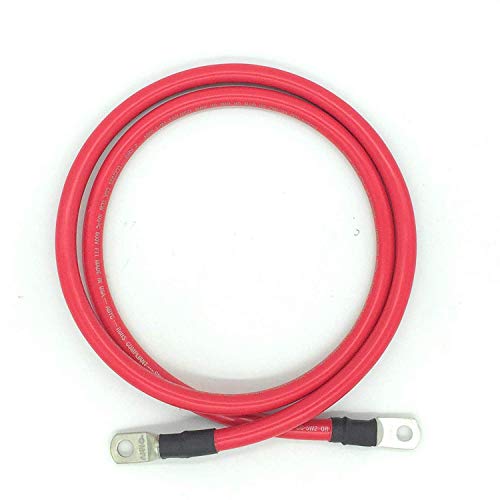
End Game’s 2 AWG battery cables are designed for demanding power connections. They arrive fully assembled with heavy-duty sealed lugs and heat-shrink in a red positive cable, ready for use in boats, trucks, RVs, or solar systems. The PVC insulation is oil and fuel resistant, offering long-term durability. These cables meet USCG and ABYC standards, ensuring compatibility with marine battery switches, alternators, and high-current circuits.
NAOEVO 16 Gauge Marine Wire Duplex

NAOEVO’s 16 AWG duplex wire uses high-precision oxygen-free tinned copper with a rugged PVC jacket. The 38-strand construction provides excellent conductivity and stability while resisting saltwater corrosion. The insulation is thicker to prevent oxidation and withstand high temperatures, making it suitable for marine and other harsh environments. With IP68 waterproof rating and a wide voltage range up to 600V, this cable supports 5V, 12V, 24V systems and greater, complying with UL1426, SAE, and ABYC standards.
Ancor 16/2 Duplex Marine Cable

Ancor’s 16/2 duplex cable uses individually stranded copper and is tinned to withstand harsh marine conditions. The Type 3 strand design offers superior flexibility and fatigue resistance, reducing wear in vibration-prone environments. It exceeds UL 1426, US Coast Guard Charter boat (CFR title 46), and ABYC standards, making it a reliable choice for navigation, lighting, and auxiliary circuits on boats and marine vehicles.
End Game 4 Gauge Marine Battery Cable

End Game’s 4 gauge marine battery cable is engineered for robust power transfer in demanding installations. It uses tinned copper with heavy-duty sealed lugs, ensuring resistance to corrosion in marine and outdoor environments. The oil and fuel resistant PVC insulation, along with USCG and ABYC compliance, makes it suitable for battery connections, switches, and starters across boats, PWC, RVs, and solar systems. The cables are offered in multiple lengths up to 15 feet for flexible routing.
Buying Guide
When selecting marine electrical cables, consider these key factors to ensure reliability and safety:
- Conductor material: Tinned copper provides corrosion resistance and better solderability, which is crucial in saltwater environments.
- Conductor size and gauge: Choose gauge based on current requirements. Heavier gauges reduce voltage drop for high-current runs like battery cables and main power feeders.
- Insulation and jacket: Look for PVC or other marine-grade jackets with UV resistance, oil/fuel resistance, and temperature endurance. IP ratings help determine waterproof suitability for exposed runs.
- Flexibility and stranding: High-strand counts improve flexibility in tight spaces and reduce fatigue under vibration.
- Standards and approvals: USCG, ABYC, UL 1426, and SAE compliance indicate suitability for marine electrical systems and safer installations.
- Protection features: Sealed lugs, heat shrink, and protective coatings extend cable life in harsh environments.
- Compatibility: Ensure the cable type matches your system voltage, connectors, and post sizes (e.g., 3/8” lugs for battery terminals).
- Length versus installation path: Plan lengths to minimize excessive slack, while allowing for future expansions and maintainability.
For boaters and RV enthusiasts, pairing the right gauge with robust insulation and compatible hardware reduces maintenance needs and supports reliable system performance across lighting, charging, and propulsion-related circuits.