Best Low Wattage Space Heaters for RVs in 2026
Finding a compact, low-wattage heater for a recreational vehicle (RV) requires balancing safety, efficiency, and portability. The following selections are compact electric heaters designed to provide steady comfort without overloading RV electrical systems. Each option is evaluated for RV use, focusing on low wattage, reliable safety features, and practical heat output for small living spaces.
Summary of chosen products:
| Product | Brand | Approx. Wattage | Key Benefit |
|---|---|---|---|
| Caframo True North Heater | Caframo | Low profile, adjustable heat (5 settings) | Sturdy steel housing; compact for RV storage |
| Performance Tool W5011 | Performance Tool | 250W | Very low wattage personal heater |
| The Teioe Mini Electric Space Heater | Teioe | 800W | Small, quiet, fast warming for desk or bunk space |
| Brightown Wall Space Heater 450W | Brightown | 450W | Compact wall-mount option with precise thermostat |
| Tangkula 700W Portable Space Heater | Tangkula | 700W | Oil-filled style for steady, zone heating |
Caframo True North Heater

The Caframo True North Heater is a rugged, low-profile electric heater with an integrated thermostat. It offers multiple heat options and a frost-free mode for storage, which can be helpful in RV storage bays. The solid steel housing and compact dimensions make it a practical option for RV cabinetry, while still delivering usable room warmth on chilly nights. Its five settings, including a steady heat and higher output, support different RV living scenarios—from a single bunk to a small common area.
Performance Tool W5011 Personal Space Heater

The Performance Tool W5011 provides extremely low wattage heating suitable for personal use, such as under a desk or near a seating area in an RV cab. At 250W, it minimizes electrical load on smaller RV electrical systems while offering a focused heat zone. This can be ideal for quick warming without significantly increasing overall power draw, though it may not fully heat a larger living space. Its simple design prioritizes portability and safety for compact spaces.
Teioe Mini Electric Space Heater
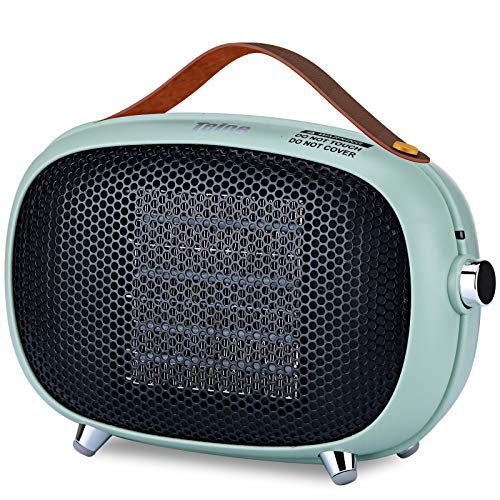
The Teioe mini space heater is a compact, ceramic-based heater with three operating modes and protections like overheat and tip-over safeguards. It weighs roughly 1.6 pounds and is designed for quiet operation, making it suitable for RV desks, bunks, or small seating areas. It quickly warms up spaces and offers safe operation, which is important in tight RV interiors where safety features matter for daily use.
Brightown Wall Space Heater 450W

The Brightown 450W wall space heater is a compact option with a programmable thermostat and LED display. Its rapid heating capability (3 seconds to heat) and precise temperature control help manage comfort in small RV spaces. A built-in timer and overheat protection add layers of safety for mobile living environments, where space is at a premium and electrical reliability varies by campground or park.
Tangkula 700W Portable Space Heater

The Tangkula 700W portable space heater uses an oil-filled radiator design with adjustable thermostat and multiple safety protections, including overheating sensors. This model is well-suited for RV bedrooms or living areas where a steady, comfortable heat is preferred over rapid, high-output heating. The included safety features help address concerns about unattended operation in mobile living environments.
Buying Guide: Key Considerations For RV Heating
Choosing a low-wattage heater for an RV involves evaluating how heat is generated, how it’s controlled, and how safely it operates in a compact space with limited electrical capacity. The following considerations help compare options across the product set above:
- Wattage and heat output: RV electrical systems vary, so prioritize heaters in the 250–800W range for safer compatibility with typical campground power supplies. Smaller spaces benefit from targeted heat rather than full-room heating.
- Thermostat accuracy: A precise thermostat helps maintain a comfortable temperature without constantly cycling power. Look for models with increments of 1–2°F where possible.
- Safety features: Overheat protection, tip-over shutoff, and flame-retardant materials are essential in an RV. Some units include auto shutoff after a set period or tilt detection for added safety.
- Portability and footprint: RV spaces demand compact, lightweight designs. Consider models with low profiles, wall-mount options, or carry handles for flexible placement.
- Noise level: Quiet operation is important in small living areas. Ceramic PTC heaters and well-insulated casings generally produce less noise than larger radiant heaters.
- Ventilation needs: Electric heaters do not burn fuel, but proper airflow remains important for comfort and safety. Ensure the unit doesn’t obstruct vents or add excessive heat to confined zones.
- Durability and build quality: Stainless or steel housings and sturdy bases withstand mobile use, jostling, and storage in an RV cabinet or luggage area.
- Plug type and outlet compatibility: If RV outlets are limited, a heater with a standard 120V plug is typically easiest to use. Some models offer built-in thermostats and digital controls for convenient operation.
- Automatic storage modes: Frost-free or storage settings can help prevent moisture-related issues when the RV is parked for extended periods.
- Maintenance and cleaning: Look for units with straightforward cleaning processes and minimal components that could fail, especially in dusty or sandy RV environments.
When choosing among the options listed, consider the space you intend to heat, the available electrical supply, and whether you need a portable unit or a fixed installation. A combination approach—such as a compact personal heater for close areas and a small wall or cabinet heater for the main living space—often yields the best balance of comfort and energy efficiency in an RV setting.