Best Low-RPM Motors With Speed Control for Precise, Flexible Drives
Answering the search for reliable low-rpm motors with adjustable speed, this guide covers compact drives suited for DIY projects, conveyors, robotics, and small machinery. The top picks emphasize clear speed control, reversible operation, and durable construction. This overview helps buyers choose between AC and DC options, depending on power needs and control needs. The list highlights who each motor is best for and why it fits into low-speed, controllable applications.
- VQP High Torque AC Motor + Speed Controller + Gear Box — 110V geared motor, 0-135 RPM, reversible.
- 12V 30W Permanent Magnet DC Motor — 0-3000 RPM with CW/CCW control, high efficiency for DIY projects.
- Yollsolom AC Gear Motor with Speed Controller — 0-27 RPM, 50:1 gear reduction, reversible.
- Bemonoc High Torque AC Motor with Gearbox — 0-7.5 RPM, 180k reduction, reversible.
- BRINGSMART 12V 12rpm DC Worm Gear Motor — self-locking for secure positioning, high torque at low speed.
| Product | Type | Low Speed Range | Best For |
|---|---|---|---|
| VQP High Torque AC Motor + Speed Controller + Gear Box | AC Gear Motor | 0–135 RPM | Heavy machinery, conveyors |
| 12V 30W Permanent Magnet DC Motor | DC Motor | 0–3000 RPM | DIY generators, small tools |
| Yollsolom AC Gear Motor with Speed Controller | AC Gear Motor | 0–27 RPM | Industrial tasks needing precise slow speeds |
| Bemonoc High Torque AC Motor with Gearbox | AC Gear Motor | 0–7.5 RPM | Printing, conveyors, precise rotation |
| BRINGSMART 12V 12rpm DC Worm Gear Motor | DC Worm Gear Motor | 12 RPM | Robotics, locking mechanisms |
VQP High Torque AC Motor With Speed Controller

Features include a high torque induction motor capable of 16 Nm, a broad speed range from 0 to 135 RPM, and reversible operation. The motor is designed for equipment requiring strong torque and controllable, slow movement. Best for heavy machinery and conveyors where precise start-stop and direction control matter. A limitation is that it runs on 110V AC, which may require appropriate safety and wiring considerations for DIY projects.
12V 30W Permanent Magnet DC Motor
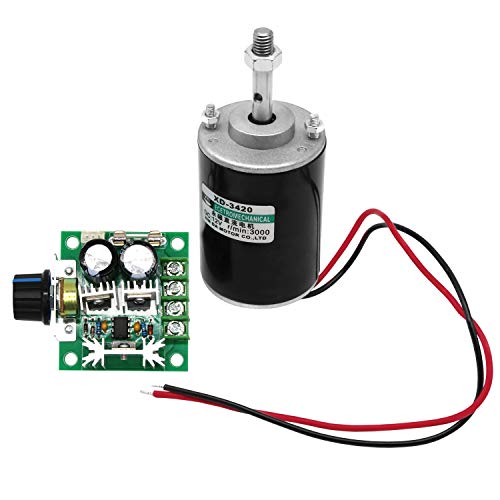
This motor runs up to 3000 RPM with CW/CCW control and uses copper stator windings for efficiency. It suits DIY generators, small mechanical projects, and devices requiring quick speed changes. The accompanying PWM speed controller supports high efficiency and reverse polarity protection. Better for high-speed needs, but for very low rpm tasks, pairing with reduction gearing is advisable. Caution: high RPM not ideal for slow-speed applications unless geared down.
Yollsolom AC Gear Motor With Speed Controller

Key features include a durable aluminum housing, built-in copper coil for efficient heat dissipation, and a precise 0-27 RPM control via a governor. The gear reduction (50:1) provides strong torque at low speeds, with reversible operation for bidirectional tasks. Ideal for industrial settings or projects requiring slow, controlled motion. Limitation: low RPM range means higher torque depends on gearing and motor size.
Bemonoc High Torque AC Motor With Gearbox

With a 25W motor and a 180:1 reduction ratio, this unit offers a max rated torque of 70.8 lb.in and a 10 mm shaft. It supports reversible operation with a slow 0–7.5 RPM range and variable speed control. Best for printing equipment, conveyors, and tasks needing fine, slow adjustments. Caution: motor weight and size may require sturdy mounting and proper drive alignment.
GMSLuu 110V Gear Motor 0-270RPM

This 110V gear motor features an adjustable speed governor offering up to 270 RPM, a stable deceleration profile, and a compact design. Suitable for projects needing moderate speed control with robust stability. Best for automated equipment requiring reliable, adjustable performance. Limitation: higher RPM range relative to ultra-low rpm models; ensure the reducer and controller match your load demands.
Bemonoc High Power 300W Electric AC Gear Motor

This heavy-duty unit offers 300W, 50:1 reduction, and up to 390 lb.in torque with a reversible speed range of 0–27 RPM. It is designed for industrial machinery demanding precise, slow motion with solid cooling features. Best for long-running equipment and high-torque tasks. Consider ventilation needs due to heat generation in extended use.
Buying Guide: How To Choose A Low-Rpm Motor With Speed Control
What speed range do you need? If you require micro-movement and precise positioning, prioritize motors offering 0–27 RPM or lower. For moderate slow-turning tasks, models around 0–135 RPM provide a larger speed window. Do you need reversible operation? Many gear motors offer bidirectional rotation—useful for conveyors, winches, and robotic arms.
AC vs. DC: AC motors typically suit fixed voltage installations and heavy-duty tasks; DC motors are often easier to power with batteries or low-voltage supplies and are common in DIY projects. Consider control interface: built-in speed controllers versus external PWM controllers, and whether you need full electronic braking or simple throttling.
Torque and gearing: Higher torque at low rpm generally requires a robust gearbox. Check reduction ratios (for example, 1:180 or 50:1) to understand how the motor’s raw speed translates to the final output. A self-locking worm gear can be advantageous for secure positioning without power.
Physical fit and mounting: Look at shaft diameter, mounting holes, and overall motor dimensions to ensure compatibility with your design. Heat dissipation matters for longer runs; motors with integrated cooling features perform better under load.
Safety and wiring: 110V AC devices require proper electrical safety practices and suitable enclosures. If using 12V or other low-voltage motors, verify driver compatibility and wiring protection to prevent shorts or overloads.
Frequently Asked Questions
- What is considered a low-rpm motor? A low-rpm motor typically runs at single-digit to a few dozen revolutions per minute, often with a gearbox to achieve precise, slow output.
- Do I need a speed controller with these motors? Yes. A speed controller allows gradual changes in speed and can provide braking or reverse control, depending on the model.
- Should I choose AC or DC for low-speed applications? AC motors are common for fixed-power setups and industrial gearboxes, while DC motors are suitable for battery-powered or portable projects and easier to control with PWM.
- What maintenance is required for geared low-rpm motors? Regular inspection of gears, shaft alignment, lubrication where applicable, and checking for overheating are essential for longevity.
- Can a high-torque low-speed motor drive a conveyor belt? Yes, especially if the motor includes a gear reducer and reversible control, which provides precise belt movement at slow speeds.