Best Line Voltage WiFi Thermostats for Electric Baseboard Heaters
Choosing a line voltage WiFi thermostat helps you control electric baseboard and high‑voltage heating efficiently from anywhere. This guide reviews five top options, highlighting compatibility, features, and energy-saving capabilities. All selections support 120V to 240V systems and offer remote control, scheduling, and smart integrations. Read on to compare installs, wiring needs, and ecosystem compatibility to find the right fit for your home heating setup.
| Product | Brand | Voltage Range | Smart Home Compatibility | Highlights |
|---|---|---|---|---|
| Mysa Smart Thermostat LITE | Mysa | 120V-240V | HomeKit, Alexa, Google | Free app, single/pole operation, baseboard and fan-forced heaters |
| meross Matter Smart Thermostat | meross | 120V-240V | Alexa, HomeKit, Google, SmartThings | Universal Matter compatibility, 24/7 scheduling |
| Honeywell Home RTH9585WF | Honeywell Home | 120V-240V | Alexa, app integration | 7-day programmable, color display |
| meross Smart Thermostat For High Voltage | meross | 120V-240V | Apple Home, Alexa, Google, SmartThings | 4-wire installation, 16A / 1920W (120V) / 3840W (240V) |
| Honeywell TL8230A1003 Line Volt | Honeywell | 208/240V | Controller linked via wiring | 7-day programmable, double pole, energy savings |
Note: The selection covers various ecosystems and installation complexities. Each option is designed for line-voltage electric heating, ensuring safe and reliable control of baseboard, convector, and fan-forced heaters. Always follow manufacturer wiring and local electrical codes during installation.
Mysa Smart Thermostat LITE For Line Voltage
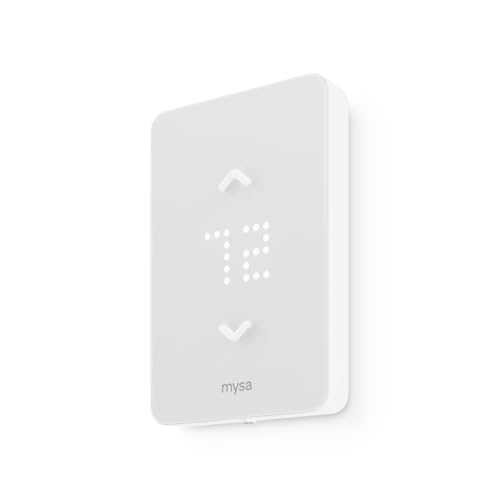
The Mysa LITE is designed for high-voltage electric heating systems, including baseboard heaters, wall heaters, and convectors. It supports 120V, 208V, and 240V configurations and can operate as a single-pole thermostat. The device is Wi‑Fi connected, offering an app-based control, scheduling, and energy insights without any subscription fees. Its installation aims for straightforward DIY mounting and app setup, enabling remote control through HomeKit, Alexa, and Google Assistant. Energy reports and smart integrations help simplify comfort management while reducing energy waste.
Meross Matter Smart Thermostat For Electric Baseboard
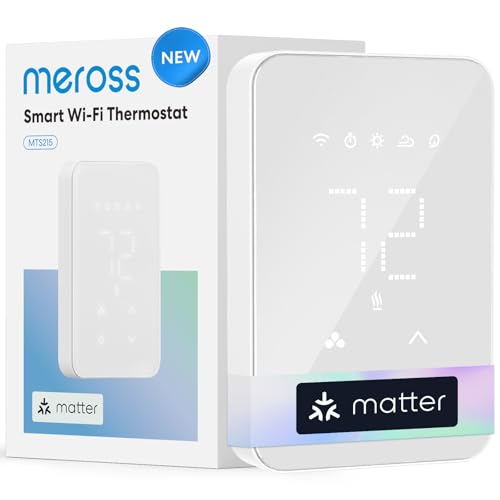
The Meross Matter thermostat is built for high-voltage baseboard and convector systems, compatible with Matter ecosystems. It works with Alexa, HomeKit, Google, and SmartThings—offering flexible voice control and app access from anywhere. The device emphasizes automated scheduling to save energy, with a 24/7 visual schedule for easy comfort planning. It is designed to operate on 120–240 VAC, supporting multiple smart-home platforms simultaneously and providing convenient energy management for households using diverse smart devices.
Honeywell Home RTH9585WF Smart Color Thermostat
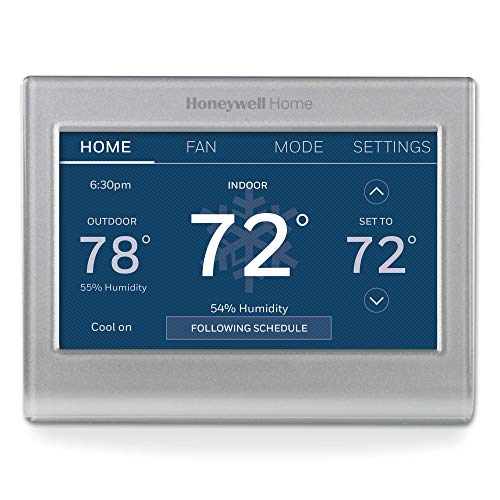
The Honeywell RTH9585WF offers a color touchscreen and seven-day programming for line-voltage systems. It integrates with major voice assistants and supports remote control via apps, enabling flexible scheduling and energy awareness. The color display helps users quickly scan the current settings and temperatures. Energy management features include potential rebates through providers and programmable modes designed to optimize comfort and savings in residential settings. The thermostat supports standard line-voltage installations for 120–240V systems via compatible wiring configurations.
Meross Smart Thermostat For Electric Baseboard (High Voltage)

This Meross model is designed for high-voltage setups and requires four wires for installation. It supports 120V to 240V and handles a maximum load suitable for baseboard and similar heaters. It provides compatibility with Apple Home, Alexa, Google, and SmartThings, enabling voice and app control. The installation guide notes the need for a compatible 4‑wire electrical box, with smart features including scheduling and energy-saving modes. As with all high-voltage thermostats, proper wiring and electrical safety are essential for reliable operation.
Honeywell TL8230A1003 Line Volt Thermostat
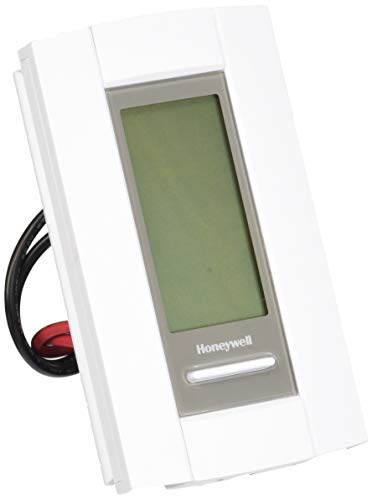
The Honeywell TL8230A1003 is a seven-day programmable line-voltage thermostat for 208/240V systems. It features electronic temperature control with a precision of ±1 F and a double-pole configuration. A 15 A resistive load rating and four-wire setup support efficient, reliable heating control. The unit emphasizes energy savings through programmable scheduling and quiet operation, reducing the common heating-related noise. It is designed to be a robust option for dedicated line-voltage heating circuits in homes or light commercial spaces.
Buying Guide: Key Purchase Considerations For Line Voltage WiFi Thermostats
- Voltage and wiring compatibility: Verify the thermostat supports your system’s voltage (120V, 208V, 240V) and whether you need a single-pole or double-pole configuration. Some models require four wires, while others can work with simpler hookups.
- Smart home ecosystem: Consider which platforms you use—Apple HomeKit, Amazon Alexa, Google Home, SmartThings—and choose a thermostat with native support to minimize compatibility hurdles.
- Programming and scheduling: Look for seven-day or 24/7 scheduling, and whether the device offers visual schedules, energy reports, or demand-response options through your utility provider.
- Energy savings and rebates: Some models emphasize energy reports and rebates through energy providers. Check local programs that may offer rebates for upgrading to a smart thermostat.
- Installation considerations: DIY installation is possible for many line-voltage thermostats, but high-voltage wiring demands caution. Some units require professional installation or specific wiring configurations (e.g., four wires).
- Safety and compliance: Ensure the device is rated for line-voltage use and complies with applicable electrical codes. A GFCI or other safety features may be desirable for certain in-floor or wall-mounted installations.
- App reliability and updates: Free apps, ongoing updates, and absence of subscription fees can affect long-term value. Confirm there are no hidden costs for essential features.
- Future-proofing: If you plan to expand your smart home, prioritize devices with Matter support or broad compatibility across major ecosystems to avoid lock-in.
Choosing the right line voltage WiFi thermostat involves balancing voltage compatibility, smart-home integration, and installation requirements. Each model above offers distinct advantages—whether it’s flexible voltage support, wide ecosystem compatibility, or strong energy-management features. Review wiring needs and local electrical codes before purchasing to ensure a safe, efficient setup that matches your heating needs and digital lifestyle.