Best Light Bulbs for Incubators and Brooders
Finding the right heat source for incubators and brooders is essential to a stable, safe environment for eggs, chicks, reptiles, and other small pets. This guide reviews reliable ceramic heat emitters and infrared bulbs designed to provide steady warmth without disturbing sleep or growth cycles. Each option prioritizes durability, energy efficiency, and consistent output to support reliable hatch rates and healthy development.
| Product | Wattage | Light Emission | Why It’s Good For Incubators |
|---|---|---|---|
| Simple Deluxe 100W 2-Pack Ceramic Heat Emitter Bulb | 100W | No light emitted | Long lifespan; stable heat; safe for 24/7 use without disturbing circadian cycles |
| PTSCBS 25W Reptile Heat Lamp (2-Pack) | 25W | No light emitted | Continuous infrared heat; energy efficient; reliable backup set |
| HealSmart 50W Mini Reptile Heat Lamp | 50W | No visible light | High efficiency and long life; rapid, uniform heating; durable build |
| LUCKY HERP 150W Ceramic Heat Emitter (2-Pack) | 150W | No light emitted | Strong, consistent heat; quick warm-up; compatible with standard E26 bases |
| DaToo Infrared Heat Lamp Bulb 150W | 150W | Powerful heating with reflective housing; suitable for fast heating in brooders and coops |
Simple Deluxe 100W Ceramic Heat Emitter (2-Pack)

Designed for use with standard E26 lamp bases, this ceramic heat emitter supplies steady warmth without any emitted light. It is ideal for incubating eggs, reptiles, and poultry brooders, where uninterrupted thermal output is critical. The unit’s ceramic construction delivers durability and broad compatibility, rated for up to 10,000 hours of service. Users should allow for cooling time after switching off to reduce scald risk.
PTSCBS 25W Reptile Heat Lamp (2-Pack)
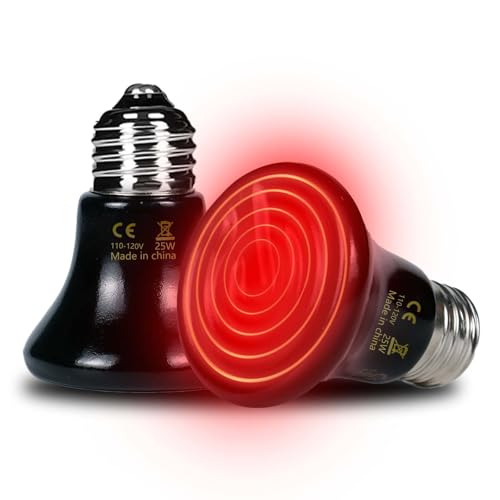
This two-pack provides reliable infrared heat without light disruption, making it suitable for nocturnal reptiles and sensitive animals. The ceramic build enhances longevity, while tungsten filament contributes to efficient heat delivery. Its value-pack design is useful for dual-zone incubators or backups during critical hatch windows.
HealSmart 50W Mini Reptile Heat Lamp

HealSmart’s 50W heat lamp emphasizes energy efficiency and long life with an infrared output that remains invisible to pets. It’s built with high-purity materials and an optimized thread design, delivering rapid heating and dependable performance for incubators, poultry brooders, and terrariums that require steady warmth without light interference.
LUCKY HERP 150W Ceramic Heat Emitter (2-Pack)
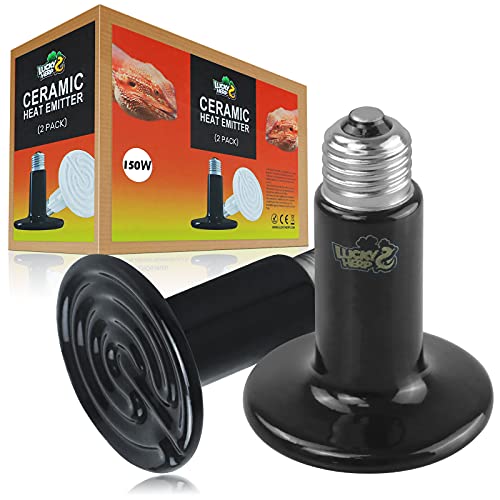
The two-pack 150W emitters are rugged and designed to run at 120V on standard E26 bases. They emit no visible light and reach target temperatures quickly, creating a reliable warm zone for incubating eggs or maintaining brooders. Users should observe recommended cooldown practices to avoid thermal shock after switching off.
DaToo Infrared Heat Lamp Bulb 150W

This infrared heat lamp delivers robust warmth suitable for brooders, poultry coops, and reptile enclosures. Its aluminum-coated reflector design concentrates heat and minimizes energy loss, enabling quick warming of incubator zones. The visible red glow is a consideration for environments where light exposure must be limited.
Buying Guide: Key Considerations For Incubators And Brooders
- Heat output and stability: For incubators, stable, evenly distributed heat is critical. Ceramic heat emitters and infrared bulbs provide consistent warmth with minimal light disturbance, helping eggs and hatchlings maintain temperature throughout incubation cycles.
- Light emission: If light-sensitive environments are required (eggs, breeding birds, nocturnal species), choose no-light emitters. For some setups, minimal or red-spectrum lighting may aid visibility without stressing animals.
- Energy efficiency and lifespan: Longer-lasting emitters reduce maintenance and replacement downtime. Look for ceramic materials and tungsten filaments designed for high durability and energy efficiency.
- Compatibility: Ensure base compatibility (commonly E26) and electrical specifications match your incubator or brooder rig. Check voltage (usually 110-120V in the US) and safety features.
- Safety and cooling: Many emitters require a cooldown period after shutoff. Plan for heat-proof mounts and guard rails to prevent accidental contact. Avoid overheating by monitoring temperature with a reliable thermostat.
- Backup options: A two-pack or paired bulbs allow quick swaps during critical incubation periods, reducing the risk of temperature drops.
- Maintenance and installation: Ceramic emitters are often easier to install and replace. Follow manufacturer guidelines to maintain performance and prevent extinguishing delays during crucial periods.
All products listed serve as heat sources for incubators and brooders, prioritizing steady thermal output and durability. Consider your species, incubation duration, and environmental controls when selecting the right bulb to optimize hatch and growth outcomes.