Best Large Portable Solar Generators for Reliable Outdoor Power
Finding a large portable solar generator that combines capacity, portability, and versatile outlets is essential for camping, emergency backup, or off-grid living. The following summary table highlights key features of top solar generators chosen for their power, battery size, and included solar panels to keep you charged anywhere.
| Model | Battery Capacity (Wh) | Output Power (W) | Included Solar Panel | Weight (lbs) |
|---|---|---|---|---|
| Apowking 200W Peak / 100W Rated | 146Wh | 200W Peak | 40W Monocrystalline Panel | 3.3 |
| ZeroKor 300W Power Station | 280Wh | 300W Max | 60W Foldable Solar Panel | Not Specified |
| Jackery Explorer 300 | 293Wh | 300W Continuous | Solar panel optional | 7.1 |
| Apowking 300W Rated | 220Wh | 300W Rated (600W Peak) | 40W Included Solar Panel | 5 |
| Jackery Solar Generator 1000 v2 | 1070Wh | 1500W AC Output | 200W Solar Panel | 23.8 |
Apowking 200W Peak Portable Solar Generator with 40W Panels

The Apowking 200W Peak Portable Solar Generator includes a 40W monocrystalline solar panel with a high 20.5% conversion efficiency, enabling better performance in low-light conditions. With a battery capacity of 146Wh, it powers laptops, phones, tablets, and small appliances up to 100W continuously.
This compact station weighs only 3.3 lbs, perfect for hiking or emergencies, and features seven outputs: two 110V AC outlets (100W max), four USB ports including quick charge USB-C, and one DC 12V output ideal for in-car devices. Its wide compatibility and light weight make it a versatile choice for outdoor adventures and home use.
ZeroKor 300W Portable Power Station with Foldable 60W Solar Panel

The ZeroKor 300W Solar Generator offers 280Wh lithium-ion battery capacity with a 60W foldable solar panel included. It features a robust output with two 110V AC outlets capable of supporting devices up to 300W, three USB ports, and a DC port, making it suitable for camping and RV use.
This model supports recharging through solar panels, AC wall outlets, or car ports, and includes a handy flashlight with reading and SOS modes. It’s ideal for users needing a balance of portability and moderate power for extended outdoor activities, though high-power appliances are not recommended.
Jackery Explorer 300 Portable Solar Generator
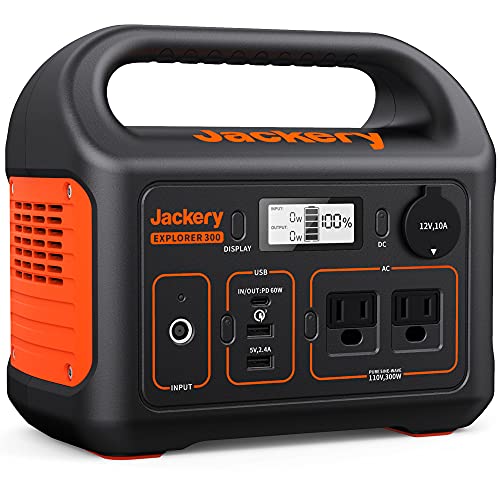
The Jackery Explorer 300 features a 293Wh battery and dual pure sine wave AC outlets delivering stable 300W power. It recharges quickly through wall outlets and a 60W USB-C PD port, or via solar panels (sold separately). Weighing 7.1 pounds, it’s portable and highly reliable.
This generator supports up to six devices simultaneously with multiple USB and AC ports, making it suitable for charging drones, laptops, cameras, and smaller household items. Its fast recharge capability and pure sine wave output enhance safety for sensitive electronics.
Apowking 300W Rated Portable Solar Generator with 40W Panel

This upgraded version of the Apowking solar generator offers a larger 220Wh capacity and supports up to 300W continuous output (600W peak). Paired with its efficient 40W solar panel featuring 24% conversion efficiency, it’s an excellent companion for home use and outdoor activities.
The device includes seven output ports: two pure sine wave AC outlets, four USB ports including fast charge options, and a DC vehicle output for car devices. Its compact 5-pound frame makes it simple to transport without compromising power delivery.
Jackery Solar Generator 1000 v2 with 200W Solar Panel

The Jackery Solar Generator 1000 v2 is a high-capacity portable power solution with a 1070Wh LiFePO4 battery and powerful 1500W AC output, supporting devices ranging from refrigerators to power tools. It comes with a 200W solar panel for efficient charging during extended off-grid use.
This model stands out for its one-hour fast charging technology, advanced battery protection, and durable battery lifespan of over 4000 charge cycles. Weighing just 23.8 lbs and featuring a foldable handle, it blends portability with professional-grade performance ideal for serious outdoor and emergency use.
Buying Guide for Large Portable Solar Generators
Choosing the right large portable solar generator depends on your power needs, portability preferences, and the devices you aim to support. Here are key factors to consider:
Battery Capacity and Power Output
Battery capacity (Wh) indicates how much energy the unit can store, influencing how long it can power your devices. Larger batteries (200Wh and above) are better for extended use or powering multiple devices. Continuous and peak wattage ratings determine the maximum power output; ensure it matches or exceeds your appliances’ requirements.
Solar Panel Compatibility and Efficiency
The included solar panel’s wattage and efficiency (% conversion) affect recharge times. Higher wattage panels (40W to 200W) and monocrystalline cells provide better performance, especially in less ideal sunlight. Some generators have MPPT charge controllers, optimizing solar charging efficiency.
Port Selection and Output Types
Generators should offer a mix of AC outlets, USB ports (including USB-C PD), and DC outputs to cover various devices. Pure sine wave AC outlets ensure safe usage of sensitive electronics like laptops and medical devices. Multiple ports allow charging several devices simultaneously.
Portability and Weight
Consider the generator’s weight and size relative to your mobility. Smaller units are ideal for backpacking, while larger units with higher capacity suit car camping, RV use, or home backup during outages.
Charging Versatility
Look for multiple recharging options: solar panels (preferably included), AC wall charger, and car port charging. Fast recharge technologies save time and increase convenience during trips or emergencies.
Durability and Battery Life
Battery chemistry influences lifespan and durability. Lithium iron phosphate (LiFePO4) batteries last longer and tolerate more charge cycles than traditional lithium-ion batteries, but may come at a higher upfront cost.
Additional Features
Extra benefits such as built-in flashlights, SOS signals, quiet operation, and apps for monitoring battery health can improve user experience, especially in outdoor or emergency scenarios.