Best 12V Battery Options for Powering Gadgets, RVs, and Marine Gear
Answering the question: which large 12 volt battery fits your needs? This guide compares five solid choices across lead-acid and LiFePO4 chemistries, focusing on capacity, durability, and best-use scenarios. Suitable buyers include boaters needing lightweight marine power, homeowners seeking back-up power for lighting, and RV or camping enthusiasts aiming for reliable storage. The table below highlights key specs to help you compare at a glance.
| Product | Chemistry | Capacity | Best For |
|---|---|---|---|
| Mighty Max ML7-12 | Lead-Acid SLA | 7.2 Ah | Budget back-up power for small devices |
| NERMAK 12V 10Ah LiFePO4 | LiFePO4 | 10 Ah | Lightweight, maintenance-free storage |
| NERMAK 2 Pack 12V 10Ah LiFePO4 | LiFePO4 | 10 Ah per battery | Long-term power for toys, lighting, and small systems |
| Renogy Deep Cycle AGM 12V 200Ah | AGM Lead-Acid | 200 Ah | Off-grid, RV, or marine with high-demand needs |
| GOLDENMATE 12V 16Ah LiFePO4 | LiFePO4 | 16 Ah | Durable, portable power with long life |
Mighty Max Battery ML7-12 12V 7.2Ah SLA
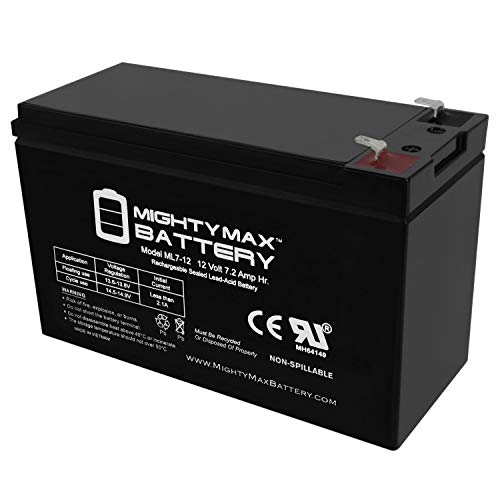
Type: Sealed Lead Acid (SLA), maintenance-free. Capacity: 7.2Ah at 12V. Terminal: F1. This model is compact and affordable for powering small devices or as a compact backup. Best for budget-conscious buyers needing a reliable 12V option. A limitation is the relatively low capacity compared with LiFePO4 choices, so longer runtimes require more units or a larger system.
NERMAK 12V 10Ah LiFePO4 Battery

Type: LiFePO4 with built-in BMS for overcharge, over-discharge, and short-circuit protection. Capacity: 10Ah. Not a motorcycle starter battery. Best for lightweight, maintenance-free storage with extended cycles and safer chemistry. Better for stationary setups or small mobile applications where weight matters. Limitation: ensure the BMS supports your load and that you don’t exceed the 12V rating for some devices.
NERMAK 2 Pack 12V 10Ah LiFePO4
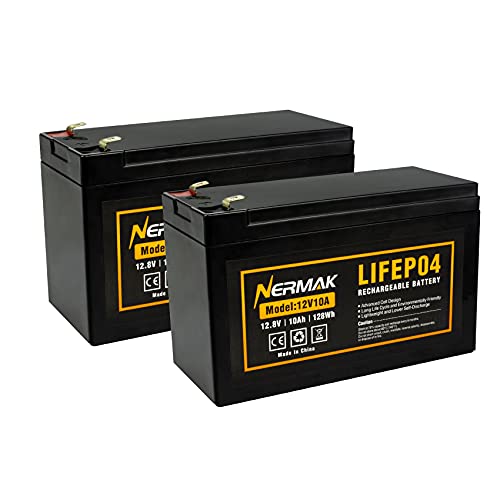
Type: LiFePO4 with built-in protection and low self-discharge. Capacity: 10Ah per battery; ships as a two-pack for extended runtime. Best for users needing more overall energy without a heavy lead-acid setup. Choose this if you want a compact, long-lasting solution for lighting, small routers, or play equipment. Limitation: ensure total system voltage is compatible when using multiple cells in series or parallel.
Renogy Deep Cycle AGM Battery 12V 200Ah

Type: AGM lead-acid, maintenance-free with low self-discharge. Capacity: 200Ah. Designed for RVs, off-grid cabins, and boats needing significant storage and higher discharge currents. Best for high-demand systems and long-term storage. Limitation: heavier and larger than LiFePO4 options, and may require more space and heavier hardware for installation.
GOLDENMATE 12V 16Ah LiFePO4 Battery
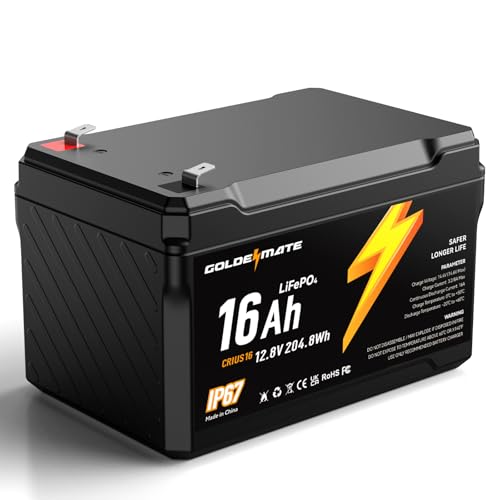
Type: LiFePO4 with built-in BMS, 16Ah capacity. Weight around 4 pounds, IP67 waterproof rating, and 5,000+ cycles. Best for portable, durable power in marine, camping, or solar setups. Choose this if you need long life and high cycle tolerance in outdoor conditions. Limitation: higher upfront cost relative to SLA, but longer lifespan offsets price over time.
Buying Guide: Key Purchase Considerations
- Chemistry and longevity: LiFePO4 offers longer cycles and lighter weight compared with traditional SLA/AGM leads. If you plan long-term use or frequent cycling, LiFePO4 is usually the better value.
- Capacity vs. space: For RVs, boats, or off-grid setups, larger Ah ratings provide more runtime. Balance space, weight, and charging capabilities with your power demands.
- Safety features: Built-in BMS protections help prevent overcharge, over-discharge, and short circuits—vital for LiFePO4. Ensure compatibility with your charging source.
- Maintenance needs: AGM and SLA batteries are typically maintenance-free but heavier. LiFePO4 cells demand minimal maintenance and tolerate longer storage without significant capacity loss.
- Mounting and installation: Some models include mounting considerations or require additional harnesses. Verify terminal type (F1, F2) and any mounting hardware before purchase.
- Environmental conditions: Consider temperature tolerance and self-discharge rates. LiFePO4 generally performs well in varied climates with low self-discharge.
Frequently Asked Questions
- What is the difference between SLA and LiFePO4 12V batteries?
SLA is maintenance-free but heavier and with shorter cycle life; LiFePO4 provides longer life, lighter weight, and built-in safety features, with higher upfront cost. - Which battery is best for boating and marine use?
LiFePO4 options like GOLDENMATE or NERMAK LiFePO4 provide long life and lighter weight, while AGM like Renogy 200Ah offers high capacity for trolling motors and systems requiring more energy. - Can I mix battery chemistries in one system?
It is not recommended to mix different chemistries in a single system due to different charging profiles and voltages, which can cause damage or reduced performance. - How many amp-hours do I need for my setup?
Estimate total daily energy use in amp-hours, then select a battery or bank with sufficient capacity plus a margin for aging and inefficiencies. For high-demand equipment, larger packs or multiple batteries are common. - Is a built-in BMS essential?
For LiFePO4, a built-in BMS is highly beneficial to protect against overcharge, over-discharge, and short circuits, especially in portable or solar-powered setups. - What maintenance should I expect with AGM batteries?
AGM batteries require periodic checks for electrolyte sealing and connections, though they are marketed as maintenance-free and are generally durable in diverse conditions.