Best Ceramic Window Tint for Cars and Homes That Block Heat
If you’re searching for ceramic window tint options that reduce heat and block UV, you’ve found a practical guide. This article highlights five top picks, explaining who each is best for and why. The focus is on infrared (IR) blocking performance, visible light transmission (VLT), and installation practicality for both vehicles and homes. Whether you want privacy, glare reduction, or interior protection, these selections cover common buyer needs—from daily commutes to sun-exposed living rooms.
Summary table of selected products
| Product | Best For | Core Benefit | Notes |
|---|---|---|---|
| RockRose 5% Nano Ceramic Car Window Tint | Privacy-focused car owners | Excellent UV/IR blocking with minimal light | 2-ply, plotter friendly |
| RockRose 35% Nano Ceramic Car Window Tint | Balanced privacy and visibility | High heat rejection with clear vision | Wide shade options |
| TOYOCO Window Tint Film For Cars | General car tinting with strong UV/IR protection | High UV/IR rejection, privacy | Ceramic-based film |
| Snapguard Solutions Residential Ceramic Window Tint | Home energy savings | Blocks UV and IR for interior protection | Roll format, easy install |
| Vepagoo 20% VLT Ceramic Car Window Tint | Daytime privacy with clear outward view | One-way visibility, heat reduction | Compact shade option |
RockRose 5% Nano Ceramic Car Window Tint

Best for privacy-focused drivers who want maximum daytime privacy with strong UV and IR blocking. This RockRose tint uses nano-ceramic material to reduce heat and glare while preserving driver visibility. It’s a 2-ply film designed for auto use with strong adhesion and shrinkability for easier installation. Ideal for vehicles where privacy and heat control are primary concerns. A limitation is that the 5% shade will significantly darken windows, which may affect night visibility in some areas.
RockRose 35% Nano Ceramic Car Window Tint
Choose this if you want a balance of privacy and outward visibility. The 35% shade provides substantial light transmission while still blocking UV and infrared radiation for interior protection. The nano-ceramic construction minimizes haze and preserves a clear view for drivers. Better for daily driving in mixed light conditions; less privacy than darker options, but easier to see at night compared with lower VLT tints.
Vepagoo 20% VLT Ceramic Car Window Tint
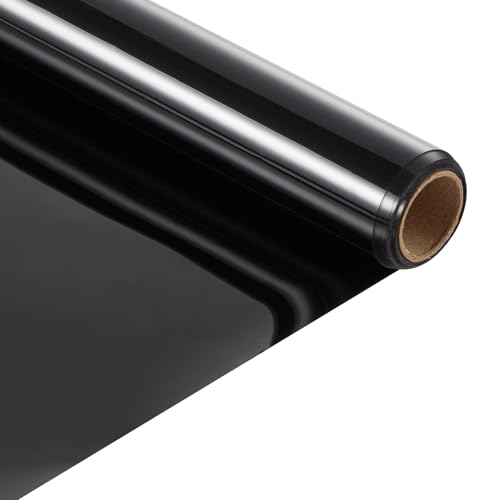
This 20% VLT option is well suited for drivers who want daytime privacy with a relatively clear outward view. The ceramic composition supports heat and glare reduction while maintaining visibility. It’s a solid middle-ground shade for everyday use. A potential drawback is that it won’t offer the same level of privacy as deeper tints in the same ceramic class.
Snapguard Solutions Residential Ceramic Window Tint

Best for homeowners seeking energy savings and interior protection. This 3′ x 12′ roll blocks up to 99% of UV rays and a large portion of IR heat. The 2-mil thickness and heat-gun-friendly installation make it practical for DIY or professional installs. Avoid this if you require a tint that’s already precut for specific window shapes, as edges may still require precise trimming during application.
RockRose 5% Premium Carbon Car Window Tint Film

Best for drivers seeking strong UV protection with a darker aesthetic. Although marketed as carbon film, it shares many ceramic tint goals like heat control and privacy. It provides a deep shade and robust UV blocking. The limitation is that carbon films can be less flexible for very small or curved windows compared with ceramic varieties, potentially affecting install ease in tight spots.
Buying Guide
- What matters most: Privacy, heat rejection, or outward visibility? Balance shade (VLT) with needed privacy.
- Material differences: Ceramic typically offers strong UV/IR blocking with minimal haze and good clarity; carbon can provide deep color but varies in IR rejection.
- Application type: Car films require precision cutting and heat-shrink capabilities; residential rolls suit DIY home installations with heat tools.
- Installation considerations: Pre-cut or precalibrated films save time on vehicles; for homes, roll size and ease of cutting impact labor effort and waste.
- Longevity and upkeep: Ceramic films generally resist fading and maintain clarity longer with less tint degradation over time.
FAQ
- Q: Do ceramic window tints block infrared heat effectively? A: Yes, ceramic tints are designed to reduce infrared heat along with UV rays, improving interior comfort.
- Q: Which tint is best for nighttime visibility? A: Mid-range VLT options (around 20–35%) balance privacy and outward visibility for night driving.
- Q: Can I install ceramic window tint at home? A: Some kits are DIY-friendly, but precision and proper tools are important for best results, especially on vehicles.
- Q: Do all ceramic tints haze less than traditional films? A: Most nano-ceramic films are designed to minimize haze to preserve driving clarity, though quality varies by brand.
- Q: Is darker tint always better for heat control? A: Not necessarily; heat reduction depends on film’s IR rejection and VLT. Darker tints provide more privacy but can reduce visibility at night.