Best Inverter Shore Power Switches for Uninterrupted RV and Off‑Grid Power
Ready to keep essential appliances running during campground hookups or off‑grid trips? This guide highlights durable inverter shore power switches and automatic transfer switches (ATS) that seamlessly switch between shore power, generator, and battery power. It’s aimed at buyers seeking reliable power control for RVs, campers, vans, and small off‑grid setups. The top picks below are evaluated for compatibility, ease of installation, safety features, and suitability for different power needs. A quick buying table is included to compare core specs at a glance.
| Product | Best For | Key Benefit | Limitations |
|---|---|---|---|
| Renogy 30Amp Transfer Switch | Mid‑range RVs and shore‑power users | Seamless automatic switching with broad inverter compatibility | Requires compatible inverters |
| 1500W Pure Sine Wave Inverter w/ Transfer Switch (OLTEANP) | Compact setups needing fast switch | 12 ms transfer to shore power, protects sensitive electronics | Moderate continuous power |
| YAURILO 30 Amp Automatic Transfer Switch | RV, camper, travel trailer | Simple, reliable 30A switching for shore/generator/inverter | Plastic housing may limit harsh environments |
| ZETAWALE 2500W Pure Sine Wave Inverter with ATS | Full RV electricals and higher load | Built‑in ATS with shore power bypass | Requires external battery for inverter mode |
| Renogy PUH 3000W Pure Sine Wave Inverter with UPS Transfer | High‑demand RVs and home backup | UPS transfer capability and Bluetooth remote monitoring | Higher upfront cost |
Renogy 30Amp Transfer Switch for Inverters and Shore Power

Best for: RVs, travel trailers, and shore‑power setups that require automatic switching between main power and backup sources. This unit is designed to switch power seamlessly when the primary source fails and restore when it’s back online. It supports shore power, solar inverters, and generators, reducing the need for manual intervention.
Why selected: The switch offers broad inverter compatibility and rugged construction for harsh environments. The ABS materials provide heat resistance and corrosion protection, supporting long‑term durability in travel or camping settings.
Caution: Verify compatibility with your inverter models and ensure correct wiring per the included diagrams to avoid misconnection.
OLTEANP 1500W Pure Sine Wave Inverter with Transfer Switch

Best for: Small RV or truck setups that need reliable 120V AC from a 12V source with automatic switching. Its 1500W continuous output covers typical appliances like TVs, laptops, coffee makers, and small fridges.
Why selected: The unit offers a fast ~12 ms automatic transfer to shore power, minimizing interruptions. It includes multi‑protection against overload and voltage issues, which helps safeguard sensitive electronics.
Caution: Continuous load should stay within 1500W to prevent overheating during long draws.
HAOERMEI 660V 63A Multi‑Transfer Switch

Best for: More complex power switching needs in boating, RVing, and other recreational applications requiring multiple terminals and a robust 63A rating. Useful when you want a dedicated changeover switch with clear terminal mapping.
Why selected: The copper and silver alloy contacts promote reliable, low‑resistance switching while the wide application range supports varied electrical configurations. The design supports break before make transitions to improve safety.
Caution: Requires careful wiring reference; miswiring can disrupt power flow or create unsafe conditions.
YAURILO 30 Amp Automatic Transfer Switch for RVs
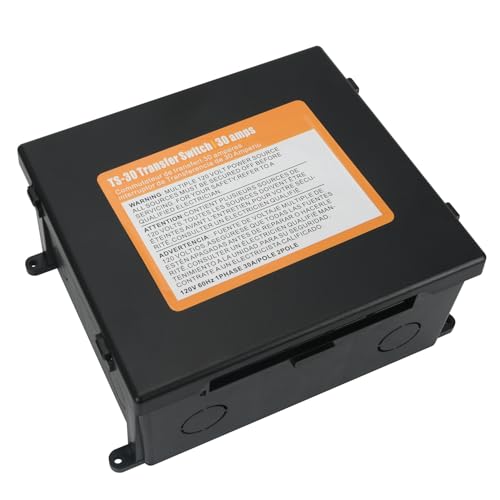
Best for: RVs and campers needing straightforward, dependable transfer between shore power, inverter, and generator sources at 30A. This is a compact option for mid‑sized setups.
Why selected: It provides automatic switching and is designed for simple installation without extensive rewiring. The unit emphasizes practical reliability for travel scenarios.
Caution: The plastic housing may be less forgiving in very hot or salty coastal environments; protect it accordingly.
ZETAWALE 2500W Pure Sine Wave Inverter with Built‑in ATS

Best for: Higher‑demand RV electrical systems that require robust continuous power and automatic transfer switching to shore power. Suitable for larger campers or motorhomes with multiple appliances.
Why selected: It combines a 2500W continuous Pure Sine Wave inverter with a built‑in ATS, allowing seamless transitions between shore power and battery power. The design facilitates permanent installations in RVs and campers.
Caution: External battery and appropriate wiring are required for inverter operation; ensure system capacity matches your load profile.
Renogy Inverter PUH 3000W with UPS Transfer

Best for: High‑demand RVs, trucks, or home backup scenarios that need large continuous power and remote monitoring capabilities. The UPS transfer feature supports uninterrupted operations during outages.
Why selected: The 3000W Pure Sine Wave inverter handles heavy loads, and the built‑in UPS transfer allows graceful transfer between grid or generator and battery power. Bluetooth and remote monitoring add convenience for fleet or remote use.
Caution: Higher power output means bigger size and potentially greater heat generation; ensure adequate ventilation in your installation area.
Buying Guide: Key Considerations For Choosing The Right Inverter Shore Power Switch
What power needs will you support? Determine your total continuous load and peak surges to match an ATS or inverter with sufficient wattage. For RVs and small campers, 1500–2500W covers most daily appliances; larger setups may require 3000W or more.
How critical is automatic transfer? If you want seamless operation during outages or when switching from shore power to battery, choose a unit with built‑in ATS and low transfer times (ideally under 20 ms).
Compatibility matters. Check inverter brands and models you already own, plus the number of terminals and connection types the switch requires. A broader compatibility range reduces future upgrades.
Installation complexity. Some switches install with minimal rewiring and pre‑punched holes; others require more extensive wiring. Consider whether professional installation is advisable for safety and code compliance.
Durability and environment. If you operate in harsh outdoor conditions, look for heat‑ resistant, corrosion‑proof housings, and watertight or moisture‑resistant builds. Indoor installations may have fewer weather concerns but still require safe mounting.
Monitoring and control options. Bluetooth, remote LCDs, and apps can simplify monitoring and remote control, especially for remote or fleet use. Ensure the chosen model supports the monitoring features you value.
FAQ: Quick Answers For Inverter Shore Power Switch Buyers
- What is an automatic transfer switch (ATS) and why do I need one? An ATS automatically switches power sources between shore power, inverter, and generator to ensure continuous electricity without manual intervention.
- Do I need a pure sine wave inverter for sensitive electronics? Yes. Pure sine wave output is gentler on electronics and appliances, reducing noise and wear.
- Can I install these switches myself? Some installs are DIY‑friendly with pre‑drilled holes and simple wiring, but others may require professional wiring, especially for higher wattage or complex RV electrical systems.
- What should I consider when sizing an inverter for an RV? Add up the continuous loads (fridge, heater, microwave, TV) and peak surges, then choose an inverter that exceeds those numbers with some headroom for startup surges.
- Is a built‑in UPS transfer beneficial? Yes, it provides seamless power during outages, particularly when you rely on critical devices like computers or medical equipment in off‑grid setups.
- What are common drawbacks to watch for? Higher wattage units are larger, heavier, and more expensive; improper wiring can cause safety hazards or nuisance trips.