Best in-Pipe Heat Trace for Pipe Freeze Protection and Safe Drinking Water
When choosing in-pipe heat trace, opt for solutions that are certified for drinking water safety, designed for internal installation, and capable of self-regulating heat to prevent overheating. This guide highlights five top options that fit American homes and businesses, explaining who each product is best for and why. Ideal buyers include homeowners with buried or concealed pipes, facilities needing reliable drain or sewer line protection, and anyone seeking energy-efficient, in-pipe heat tracing to keep water flowing in extreme cold.
| Product | Brand | Length | Notes |
|---|---|---|---|
| TOPDURE In Pipe Heating Cable | TOPDURE | 10 ft | Drinking water safe, underground installation |
| MAXKOSKO 12 Ft Heating Cable | MAXKOSKO | 12 ft | Self-regulating, -40°F protection |
| HEATIT In Pipe Heating Cable | HEATIT | 75 ft | Fully certified for drinking water |
| Cupohus 15Ft Heat Tape | Cupohus | 15 ft | Smart energy-saving, GFCI-ready |
| YeloDeer 6 Ft Internal Cable | YeloDeer | 6 ft | CSA certified, internal installation |
TOPDURE In Pipe Heating Cable
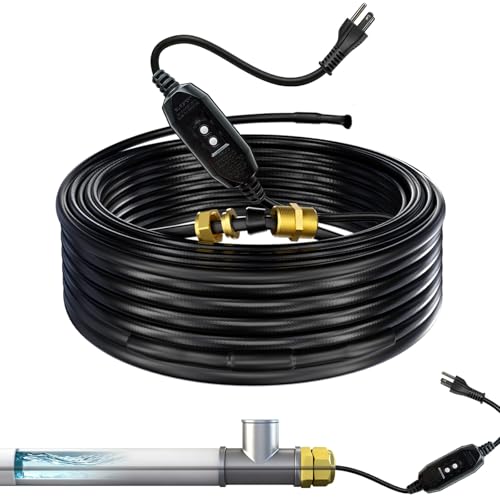
Best for: Homeowners needing discreet, internal freeze protection for drinking water lines that run underground or behind walls. This cable uses self-regulating technology to heat when cold and reduce output when warmer, saving energy and reducing overheating risk. It is CSA NSF61 certified, addressing safety for drinking water applications.
Why selected: It combines internal installation with a trusted safety standard, ensuring safe water contact and long-term durability. The internal design protects the cable from external damage while delivering rapid heat where it is most effective.
Caution: While designed for in-pipe use, ensure pipe material and access allow for proper placement and concealment during installation.
MAXKOSKO 12 Ft Heating Cable

Best for: Properties with longer run requirements and metal or plastic pipes that need reliable self-regulating heat to prevent freezing down to -40°F. A 12 ft length bundled with a power cord makes it versatile for mid-size installations.
Why selected: It offers self-regulating technology that adjusts heat output to prevent overheating and reduce energy use, with clear installation flexibility (straight, spiral, or overlapped).
Caution: Check the total run length needed and ensure the included 3 ft power cord accommodates the distance between the thermostat and outlet.
HEATIT In Pipe Heating Cable
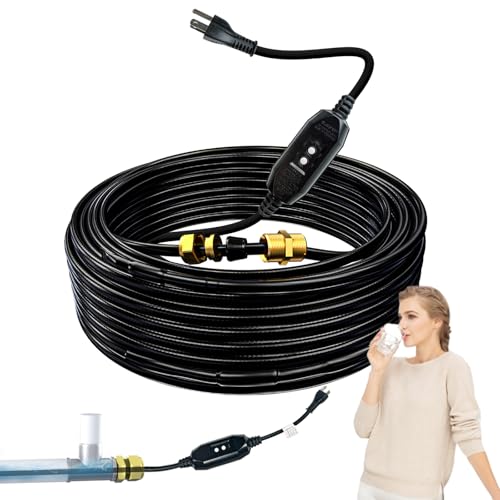
Best for: Applications requiring a long, uninterrupted internal heat trace line to protect exposed or buried pipes with a robust fluoropolymer sheath for durability.
Why selected: It is CSA NSF61 certified for drinking water safety and designed for in-pipe installation, making it suitable for concealed piping. The durable sheath enhances long-term performance in harsh environments.
Caution: The full 75 ft length may be more than needed for small projects; plan routing to avoid extra slack and insulation issues.
Cupohus Heat Tape for Water Pipes

Best for: Homeowners seeking energy-efficient, thermostat-driven heat exposure along water lines in garages, basements, or outdoor hoses. The integrated thermostat helps prevent overuse during mild days.
Why selected: It emphasizes intelligent energy saving, with a clear on/off cycle based on water temperature. The design also focuses on safety with external protection for the environment surrounding hoses and pipes.
Caution: External setup requires adequate protection against moisture and potential physical damage to wires in exposed areas.
YeloDeer 25 Ft Inside Drain Pipe Cable

Best for: Drain and sewer line protection in cold climates, including sump and septic systems, where non-pressurized lines need reliable freeze protection inside the pipe.
Why selected: It features CSA certification and a GFCI-equipped system for enhanced safety in wet environments, with an in-pipe heating design optimized for drains and wastewater lines.
Caution: Longer lengths require careful routing to prevent sagging and ensure proper heat distribution along the entire drain path.
Buying Guide: In-Pipe Heat Trace Essentials
What should I look for when choosing in-pipe heat trace?
- Certification and safety: Prefer CSA NSF61 or equivalent for drinking water safety and use in wet environments with GFCI where applicable.
- Installation type: Internal/pipes installation reduces external exposure and damage risk; ensure your pipe material and access allow internal fitting.
- Length and power needs: Choose a length that matches your pipe run and consider the included power cord length for proper placement of the thermostat and outlet.
- Self-regulating technology: Systems that adjust heat output based on temperature save energy and minimize overheating risk.
- Durability and sheath material: Fluoropolymer or other robust jackets extend life in harsh environments.
- Safety features: Look for built-in protections like automatic shutoff on leakage and GFCI for outdoor or damp settings.
Practical Buyer Scenarios
- Underground or concealed pipes: Prioritize in-pipe systems with strong certifications and robust installation support.
- Drain or sewer lines: Choose products designed specifically for drains with GFCI protection and CSA certification.
- Energy efficiency: Favor self-regulating heat tapes to minimize electricity usage while providing reliable protection.
Frequently Asked Questions
- What is the main advantage of in-pipe heat trace vs. external heat tape?
In-pipe heat trace heats the water or pipe from inside the conduit, reducing exposure to exterior damage and often offering more uniform heat distribution. - Is CSA NSF61 certification important for drinking water applications?
Yes. It confirms safety for drinking water contact and ensures the product meets strict standards. - Do these cables require professional installation?
Installation complexity varies by length and pipe layout; follow manufacturer instructions and local codes for best results. - Can these cables prevent pipe bursts in extremely cold weather?
They help prevent freezing and maintain flow, reducing the risk of pipe damage, but do not guarantee against all structural failures in extreme conditions. - Do self-regulating cables overheat?
- What maintenance is needed for in-pipe heat trace?
Routine inspection for insulation integrity, cable wear, and any signs of moisture ingress is recommended.
No. Self-regulating cables adjust heat output based on temperature, preventing overheating and improving energy efficiency.