Best in-Panel Surge Protector Solutions for Home
Protecting home electronics and HVAC systems begins with selecting an in-panel surge protector that matches your panel and electrical needs. This guide highlights five well-regarded panel surge protectors, explains how they work, and helps you compare features like surge current rating, enclosure type, and compatibility. Each product is chosen for residential or light commercial use and to fit typical 120/240V split-phase systems.
Summary of Selected Products
| Product | Brand | Key Feature | Voltage/Phase |
|---|---|---|---|
| R2120-B SPD | Leviton | Compact Type 1, 36kA per phase | 120/240 VAC, Split Phase |
| BRNSURGE | Eaton | 2 branch circuit spaces, 18 kA | 120/240 VAC, Split Phase |
| 51120-1 | Leviton | 4-Mode Protection, 50kA | 120/240 V, NEMA 1 |
| FS140 | Feeligivin | Compatible with all brands, 140kA | 120/240 V, 60 Hz |
| Briidea | briidea | 4-Mode protection, LED status | 120/240 V, NEMA 1 |
Leviton Type 1 Surge Protective Panel

Leviton’s Type 1 surge protective device is designed for residential applications and is compact for easy installation. It diverts damaging transients away from sensitive electronics, helping to protect homes from voltage spikes. The R2120-B SPD complies with Article 230.67 of the 2020 NEC, ensuring that services supplying dwelling units include appropriate surge protection. This panel is built for 120/240 VAC split-phase systems and emphasizes reliable protection with a focus on residential use.
Key features include a robust 36kA per phase rating, which provides solid surge handling for typical home loads. The design prioritizes ease of installation in residential service entrances, making it a common choice for new builds and remodels seeking compliant, in-panel protection. Consider compatibility with your existing electrical panel and local codes when planning installation.
Eaton BRNSURGE Whole-Panel Device
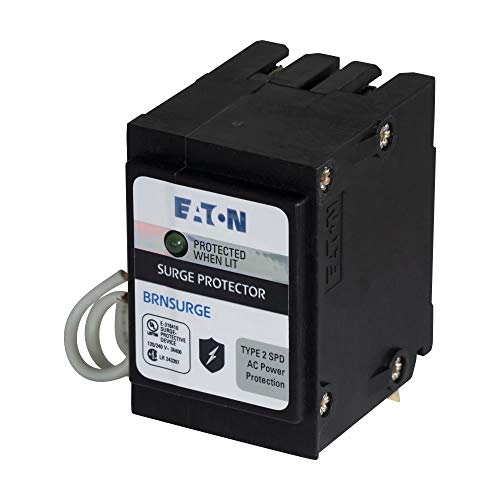
The Eaton BRNSURGE unit provides a whole-panel surge protection solution designed for residential and light commercial use. It utilizes two branch circuit spaces and offers a surge current rating of 18 kA. This type of SPD is intended to be installed at the main service panel to guard all downstream circuits, delivering centralized protection. The design emphasizes straightforward integration with standard panels and breakers while offering a reliable line of defense against transient voltage events.
Considerations include ensuring the unit’s physical fit within your panel’s enclosure and confirming compatibility with your panel model. The 18 kA rating is a practical match for typical home electrical systems, ensuring that surges are intercepted before impacting connected devices. Installation should follow manufacturer guidelines and local electrical codes.
Leviton 51120-1 Panel Protector

Leviton’s 51120-1 is a four-mode protection device designed for 120/240V single-phase panels in NEMA 1 enclosures. It carries a 50kA maximum surge current rating and offers real-time diagnostic indicators for power and protection status on each protected phase. This model targets residential and light commercial settings that require reliable, visible status and straightforward monitoring of protection performance.
From a features perspective, the 4-mode protection covers common surge pathways (L-G, L-L, L-N) to mitigate a broad range of transient events. The unit’s Type 2/4th Edition alignment ensures compliance with contemporary safety standards. When evaluating, check enclosure compatibility, diagnostic visibility, and how the device integrates with existing protection schemes in your home or business.]
Feeligivin FS140 Surge Protector

The Feeligivin FS140 is a universal whole-panel surge protector designed for 120/240V, 60Hz systems and claimed to work with any load center or breaker brand. This broad compatibility makes it a flexible option for homes with mixed panel types. The device highlights a high surge tolerance of up to 140,000 amps, which translates to strong defense against large surge events often associated with lightning or utility switching.
Professional installation is recommended due to technical considerations involved in mounting a panel protector and wiring to the service panel. The FS140 emphasizes a standard residential split-phase configuration, aiming to protect household appliances, TVs, computers, HVAC systems, and other critical equipment from damaging surges. Assess panel compatibility and installation requirements before purchase.
Briidea Whole House Surge Protector

Briidea’s Type 2 single-phase surge protector is designed for whole-house protection in residential settings. Packaged for light commercial use as well, this unit provides four-mode protection within a NEMA 1 enclosure. The device is aimed at safeguarding the entire load center and all connected subcircuits from voltage transients, lightning-induced surges, and other causes of motor or electronics damage.
Key considerations include LED real-time status indicators that show power and protection status, as well as service life monitoring to indicate replacement needs. The NEMA 1 enclosure supports indoor installations and standard J-box mounting. If you’re upgrading an existing panel or planning new construction, confirm panel compatibility and the unit’s surge-current rating to match your electrical system’s needs.
Buying Guide: Choosing the Right In-Panel Surge Protector
When selecting an in-panel surge protector, consider the following perspectives to ensure you get suitable protection and long-term reliability.
- Surge current rating: Compare the maximum surge current (kA rating) per phase and overall. Higher ratings are better for homes with many devices or sensitive equipment, but assess anticipated surge events in your area.
- Type and placement: Type 1 devices are installed at the service entrance and protect the entire system; Type 2 devices protect downstream circuits. Ensure you choose the correct type for your panel location and code requirements.
- Enclosure and compatibility: Check enclosure type (NEMA 1, 4X) and whether the device supports your panel model and manufacturer. Compatibility reduces installation complexity and maintains warranty validity.
- Diagnostic features: Real-time indicators, LEDs, or digital readouts help monitor protection status and remaining lifespan. These features simplify maintenance planning and replacement timing.
- Code compliance: Adhere to the latest NEC requirements and local codes. Some regions mandate SPD installation for new dwelling unit services or specific panels.
- Installation considerations: In-panel SPDs often require professional installation due to wiring to the service panel and grounding considerations. Evaluate whether you’ll install in new construction or retrofit an existing panel.
- Brand and warranty: Reputable brands with solid warranties offer reliable protection and post-purchase support. Consider reviews and service histories when comparing options.
Bottom line: For robust in-panel protection, align your choice with your panel’s physical fit, electrical rating, and the specific electrical environment of your home. Balanced protection, clear diagnostics, and code-compliance readiness should guide your final decision.