Best Humidistat Controlled Exhaust Fans for Home Ventilation
If you’re seeking automatic moisture control and improved air quality, humidistat-controlled exhaust fans are a smart choice. These units turn on or adjust automatically based on humidity, helping to prevent mold, dampness, and musty odors. This guide highlights five effective options suited to different spaces—from crawlspaces and basements to attics and bathrooms. Each selection explains who it’s best for, why it was chosen, and a simple caution to consider before purchase.
| Product | |
|---|---|
| VIVOHOME AutoFlow Bathroom Exhaust Fan | Bathrooms and small-to-mid-size bathrooms; energy-efficient, three auto modes |
| CADPXS Crawlspace Ventilation Fan | Moist crawlspaces and damp basements with built-in humidistat |
| Abestorm 260CFM Crawlspace Ventilation Fan | Humid crawl spaces and garages requiring robust airflow |
| Amico 10″ Shutter Exhaust Fan | Greenhouses, garages, and large areas needing strong, programmable control |
| ALORAIR 540 CFM Crawlspace Ventilation Fan | Mid-to-large crawl spaces and basements with dehumidistat and thermostat |
These picks emphasize automatic humidity sensing, energy efficiency, and durable construction. The list avoids models that only provide manual control, focusing instead on truly humidity-responsive exhaust solutions for better indoor air quality.
VIVOHOME AutoFlow Bathroom Exhaust Fan with Humidity Sensor
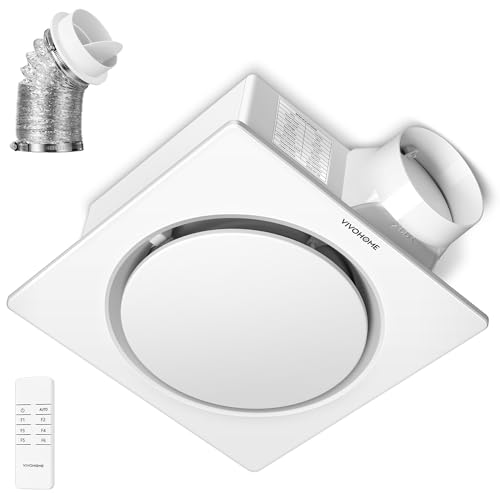
The VIVOHOME AutoFlow uses a brushless EC motor to deliver 110 CFM at 12.5W, making it a highly energy-efficient choice for bathrooms. It offers SMART AUTO-VENTILATION with three speed modes (50/110/160 CFM) based on humidity, and a remote control provides 6-speed manual adjustments. Its constant airflow technology maintains steady ventilation despite duct bends or dust buildup. Best for small to medium bathrooms where automatic humidity control and energy savings matter. A potential limitation is the need for remote batteries (not included) for manual operation.
CADPXS Crawlspace Ventilation Fan
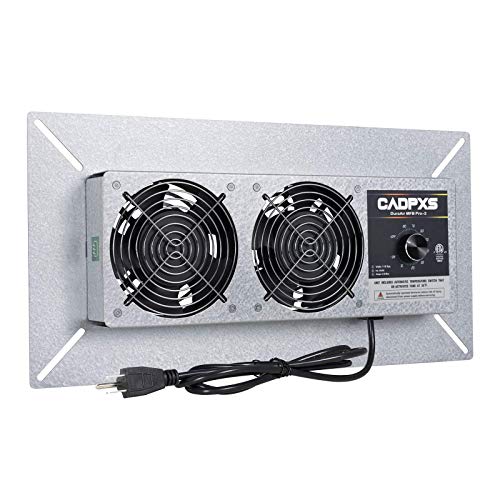
The CADPXS unit provides 220 CFM with a built-in humidistat ranging from 20% to 80% RH. It is designed to vent crawlspaces, basements, attics, or grow tents by exchanging indoor and outdoor air to balance humidity. It includes a long 6.56-foot power cord and a dual-fan configuration for robust exhaust. Best for damp crawlspaces where automated dehumidification is needed. Caution: ensure outdoor temperature ranges are compatible with its thermostat logic to avoid unwanted operation in very cold conditions.
Abestorm 260CFM Crawlspace Ventilation Fan

The Abestorm unit delivers 260 CFM with a humidistat-enabled design and a 6-foot grounded cord. It has an IP-55 rated aluminum zinc shell and an isolation mesh to keep pests and particulates out. This makes it suitable for humid crawl spaces, garages, and attics where prolonged exposure to moisture is common. Best for larger crawl spaces needing continuous dehumidification. Limitation: heavier unit with a larger footprint may require additional mounting planning during installation.
Amico 10″ Shutter Exhaust Fan with Thermostat and Humidity Remote

This 1068 CFM unit uses a 13W brushless DC motor for high airflow with low energy use. It includes a long-range remote and a humidity sensor that auto-adjusts speed with humidity rise. It’s suitable for large spaces like greenhouses, garages, or chicken coops where rapid air exchange is beneficial. Best for buyers needing strong airflow with precise humidity response. Caution: higher airflow may require careful ducting to minimize noise and static pressure.
ALORAIR 540 CFM Crawlspace Ventilation Fan

The ALORAIR 540 CFM model pairs a humidistat with a thermostat for automatic operation. It has a robust IP-55 rated shell and isolation mesh, making it durable in damp environments. It is designed for crawl spaces, basements, attics, and garages up to about 550 sq. ft. Best for larger spaces requiring consistent humidity management and higher airflow. Limitation: higher initial cost and installation complexity compared to smaller units.
Buying Guide
How to choose a humidistat-controlled exhaust fan
- Space type and size: Match airflow (CFM) to the area. Bathrooms usually need 1 CFM per square foot, while crawlspaces and attics require higher capacities for effective humidity control.
- Humidity range and control: Look for a built-in humidistat with adjustable RH setpoints. A broader RH range provides more flexible operation in variable climates.
- Energy efficiency: Brushless DC motors and smart auto-ventilation reduce running costs. Check wattage and annual energy use when comparing models.
- Durability and weather resistance: IP-rated housings and corrosion-resistant materials suit damp environments. Consider whether you need frost protection or freeze-guard features.
- Installation considerations: Ceiling vs. wall installation, duct size, and available attic or crawlspace access influence which model fits best.
- Control options: Remote control, wall switches, or smart home compatibility can affect convenience and maintenance.
FAQ
- What is a humidistat-controlled exhaust fan?
A fan that automatically adjusts its operation based on measured humidity to maintain target moisture levels.
- Where are these fans most useful?
Bathrooms, crawlspaces, basements, attics, and garages with humidity concerns.
- Do humidity-controlled fans save energy?
Yes, by running only when humidity is high, reducing unnecessary operation compared with constant-speed fans.
- Should I choose a higher CFM model for a smaller space?
Typically no; high CFM in a small room may create unnecessary air movement and noise. Match CFM to space size and ducting.
- What maintenance is required?
Regularly check filters (if present), inspect wiring, and ensure humidity sensors respond correctly after calibration.
- Can I install these myself?
Many units are designed for DIY installation, but confirm electrical and ducting requirements and consult a professional for complex setups.