Best Hot Water System Expansion Tanks for Home Use
Answering the needs of homeowners seeking reliable pressure control, this guide highlights five expansion tanks that fit common hot water systems. Best for residential setups, RVs, and small commercial uses, these options help manage thermal expansion, reduce water hammer, and maintain safe pressures. Each pick targets a different system size and installation style to fit various backflow prevention setups and plumbing designs.
Summary table of chosen products
| Product | Capacity | Key Benefit | Best For |
|---|---|---|---|
| Neo-Pure 2.1 Gal Thermal Expansion Tank | 2.1 gal | Backflow-safe design with durable butyl diaphragm | Residential water heaters with backflow preventers |
| oiununo Potable Thermal Expansion Tank 1 Gallon | 1 gal | Food-grade stainless steel & EPDM diaphragm | Compact systems, RVs, boats, off-grid |
| Amtrol ST-5 Expansion Tank | 2 gal | Clean, standard residential option | Typical home water heaters |
| Watts GIDDS-1030402 Potable Expansion Tank | 4.5 gal | Lead-free, versatile mounting | Smoke-free home and small commercial systems |
| TT FLEX Potable Thermal Expansion Tank | 2.1 gal | Compact and easy installation | Smaller installations and upgrades |
Neo-Pure 2.1 Gal Thermal Expansion Tank

The Neo-Pure 2.1 Gal Thermal Expansion Tank is designed to absorb the extra water volume caused by heating, helping to maintain safe pressure in residential systems that include backflow preventers. It uses a durable butyl rubber diaphragm to separate system water from the tank interior, reducing corrosion-related concerns and extending life in typical home plumbing. Best for homes with a backflow prevention setup that needs steady pressure without frequent cycling.
Best for: Homeowners with standard water heaters and backflow preventers who want a compact, corrosion-resistant solution. Caution: Ensure compatibility with your backflow device and confirm the 3/4″ MNPT connection matches your piping.
oiununo Potable Thermal Expansion Tank 1 Gallon

This compact 1-gallon expansion tank emphasizes food-grade materials, including 304 stainless steel for the body and EPDM rubber for the diaphragm. Dual O-ring seals on the air valve improve leak resistance, making it suitable for potable water systems. It’s a strong fit for small spaces, RVs, marine setups, or off-grid installations where footprint matters.
Best for: Small or mobile systems where space and potable-water compatibility are priorities. Caution: Operating pressures should stay within the recommended range (≤150 PSI) for sustained safety and life span.
Amtrol ST-5 Expansion Tank

The Amtrol ST-5 is a classic two-gallon expansion tank sized for ordinary residential water heaters. Its simple specification makes it a straightforward choice for standard systems requiring reliable expansion control. The 8-inch diameter and 12-5/6-inch height provide a compact footprint while delivering solid performance in most homes.
Best for: Homes needing a conventional, no-fruss solution for thermal expansion. Caution: Check compatibility with your heater’s connection size and existing mounting space.
Watts GIDDS-1030402 Potable Expansion Tank
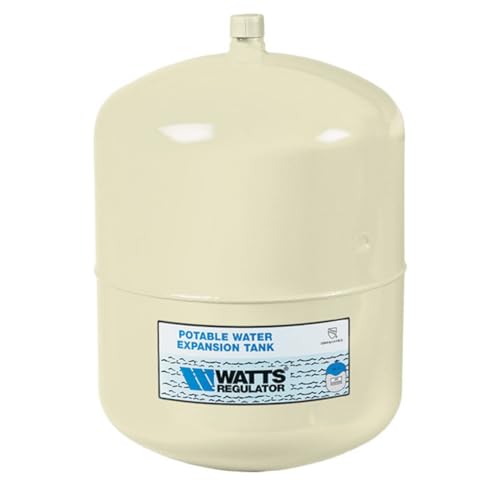
The Watts GIDDS-1030402 model offers a generous 4.5-gallon tank for larger households or modest commercial applications. It is designed for potable water systems with a lead-free construction and a stainless steel inlet. The epoxy-coated carbon steel body ensures durability and long service life, while the expansion membrane minimizes air-charge loss for steadier pressure control.
Best for: Larger homes or light commercial setups needing a higher-capacity expansion solution. Caution: Ensure correct mounting and piping connections for your system’s layout.
TT FLEX Potable Thermal Expansion Tank

The TT FLEX 2.1-gallon expansion tank emphasizes easy installation and compact sizing, making it well-suited for tight spaces or quick upgrades. Its 3/4″ MNPT connection aligns with common residential fittings, and the model focuses on effective thermal expansion management in closed-loop heating or cooling systems. This makes it a practical pick for contractors and DIY enthusiasts who need a straightforward install.
Best for: Installers seeking a compact, install-friendly option for smaller systems. Caution: Verify operating pressure recommendations align with your system’s relief valve settings.
Buying Guide: Key Considerations for Hot Water Expansion Tanks
When choosing an expansion tank, consider capacity, connection size, and material quality. The right model helps prevent over-pressurization, which protects water heaters, pipes, and fittings from stress and leaks. Below are practical questions to guide your decision-making.
What capacity do I need?
Capacity depends on your water heater size, daily hot-water usage, and whether you have a backflow preventer. Larger households or commercial setups typically require bigger tanks (around 4.5 gallons) to absorb thermal expansion efficiently. Smaller homes can often manage with 1–2.1 gallon units.
What connection size is required?
Most residential tanks use 3/4 inch MNPT connections, but some setups need 1/2 inch or other fittings. Match the tank’s connection to your supply lines to avoid adapters or leaks. Look for compatibility with your current backflow preventer or check valve.
What materials affect longevity and safety?
Diaphragm materials (butyl rubber, EPDM) influence compatibility with hot water and pressure. Food-grade stainless steel bodies and epoxy finishes resist corrosion in potable-water applications. Ensure the air valve seals are robust to minimize leaks over time.
Where will I mount the tank?
Consider mounting options: wall-mounted, directly on piping, or free-standing. Some models offer flexible installation with adjustable brackets or direct-pipe connections, which is helpful in tight spaces or retrofit projects.
Are there special considerations for potable water systems?
For systems delivering drinking water, choose tanks labeled as potable and lead-free. EPDM diaphragms and food-grade materials help ensure safe water quality and system longevity in environments where taste and safety matter.
FAQ
- What is the purpose of an expansion tank? It absorbs the extra volume created by heated water, helping maintain safe system pressure and reducing water hammer when the pump starts or stops.
- Can I install an expansion tank myself? Yes, for most residential setups, but follow the manufacturer’s installation instructions and consult a plumber if unsure about backflow preventers and pressure settings.
- How do I determine the right size for my home? Consider heater capacity, peak hot-water usage, and backflow device impact. Larger households generally need bigger tanks (4.5 gal or more).
- Are potable tanks different from non-potable tanks? Yes. Potable tanks use food-grade materials and lead-free construction to ensure safe drinking water. Non-potable models may prioritize durability and space for non-drinking water systems.
- What maintenance is required? Regular inspection for leaks, valve integrity, and diaphragm wear is advised. Replace tanks showing signs of corrosion or persistent leakage to maintain system safety.
- What about pressure ratings? Do not exceed the manufacturer’s recommended operating pressure. Excess pressure can stress pipes, fittings, and valves and lead to failures.