Best High-Power Solar Generators for Off-Grid Power and Emergencies
When you need reliable portable power, high‑wattage solar generators are the smart choice for camping, RV trips, emergency backup, and off‑grid living. This guide highlights five top options that deliver substantial output, robust battery chemistry, and versatile charging. It’s ideal for buyers seeking off-grid capability, home backup, or heavy‑duty outdoor use. Each pick is evaluated for who it’s best for, along with practical limitations to consider before buying.
Comparison At A Glance
| Product | Best For | Key Strength | Limitation |
|---|---|---|---|
| Anker SOLIX C1000 Gen 2 | Emergency backup and remote work | Fast recharge and high output | Higher upfront cost |
| Jackery Solar Generator 1000 V2 | Off‑grid living and RV trips | Strong output with LiFePO4 battery | Heavier for some users |
| STARYLINE 1800W Solar Generator Kit | Heavy appliances on‑grid/off‑grid | 1800W continuous, 1024Wh LiFePO4 | Bundle size and weight |
| VTOMAN Jump 600X | Road trips and car emergencies | Car jump start plus 299Wh | Limited base capacity |
| ZeroKor 300W Portable Power Station | Lightweight outdoor adventures | 60W panel included, multiple outputs | Lower total capacity |
Anker SOLIX C1000 Gen 2 Portable Power Station

The Anker SOLIX C1000 Gen 2 provides a high-output platform with 2,000W continuous power (3,000W peak) and a 1,024Wh LiFePO4 battery. This setup supports emergency backup, remote work, and larger devices, with UltraFast charging to a full recharge in about 49 minutes under optimal conditions. It’s best for users who need substantial power quickly for multiple devices without frequent recharges.
- Best for: Emergency backup, heavy device charging, and remote work setups.
- Why chosen: Strong output, sizable energy reservoir, and fast recharge.
- Limitations: Higher upfront cost; portability is good but not as light as smaller models.
Jackery Solar Generator 1000 V2

The Jackery 1000 V2 pairs a 1,070Wh LiFePO4 battery with a 1,500W continuous output (3,000W surge). Its 1‑hour fast charging feature and long battery life (LiFePO4) make it an appealing choice for families and campers who want dependable power and resilience in emergency scenarios. It’s well suited for powering refrigerators, drills, and small appliances on trips and outages.
- Best for: Off‑grid living, RV trips, and backup power for essential appliances.
- Why chosen: High energy capacity with durable LiFePO4 chemistry; quick top‑ups possible.
- Limitations: Relatively heavy; price premium reflects capacity and technology.
STARYLINE Solar Generator 1800W Kit
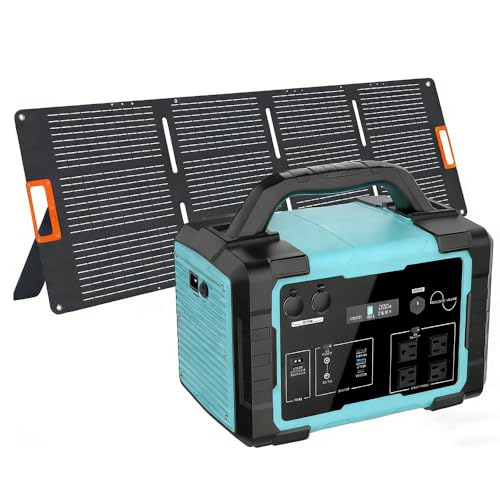
This heavy‑duty kit delivers 1800W continuous output (3600W surge) from a 1024Wh LiFePO4 battery, plus a 200W foldable solar panel. It’s designed for serious power users who run high‑wattage appliances during outages or off‑grid weekends. A robust BMS supports safety and long life, with a focus on reliability for long camping sessions or home backups.
- Best for: Appliances with higher wattage needs and extended off‑grid stays.
- Why chosen: High continuous power and substantial battery capacity with durable LiFePO4 cells.
- Limitations: Bulkier bundle; weight and transport require planning.
ZeroKor Portable Solar Generator (300W)

The ZeroKor 300W power station provides a balanced mix of AC outlets, DC, and USB charging in a compact form. It includes a 60W solar panel, a 296Wh battery, and a USB‑C fast port for efficient charging of phones, laptops, and small devices. It suits light outdoor adventures and emergency use where portability matters more than capacity.
- Best for: Lightweight camping, day trips, and micro‑backup power needs.
- Why chosen: Includes a foldable 60W panel for convenient solar charging and multiple outputs.
- Limitations: Lower overall energy capacity; not ideal for high‑wattage appliances.
EnginStar 300W Portable Solar Generator

The EnginStar system packs a 296Wh battery and a 300W AC output with a foldable 60W solar panel. It provides 8 output ports and a 110V pure sine wave for safer operation of sensitive devices. This makes it a practical choice for off‑grid camping or as a small home backup for essential electronics, with the caveat that very high‑wattage devices may exceed its continuous rating.
- Best for: Small office or home backup and multi‑device charging during outages.
- Why chosen: Balanced power, multiple outputs, and portability.
- Limitations: May struggle with devices that exceed 300W continuously.
Buying Guide: Key Considerations For High‑Power Portable Solar Generators
What size battery do you need?
Battery capacity is measured in watt‑hours (Wh). A larger capacity means longer run times for appliances like refrigerators and power tools. For weekend off‑grid use, 1,000–1,500Wh is common; for longer outages, look for models with 2,000Wh or more and consider expandability options.
How much continuous power is required?
Continuous wattage determines what you can run at once. If you frequently power high‑wattage devices (AC units, microwaves, or heaters), prioritize models with at least 1,000–1,500W continuous output and a solid surge rating to cover startup spikes.
What about recharge speed?
Recharge speed matters in emergencies. Some units offer ultrafast AC charging, car charging, or solar recharging with MPPT controllers. If you anticipate frequent outages, choose a model with multiple fast recharge options and, ideally, solar charging that aligns with your panel setup.
What battery chemistry is preferred?
LiFePO4 batteries are common in higher‑end units due to longer life cycles (often 2,000–4,000+ cycles) and stability. Li‑ion options may be lighter but typically have shorter lifespans. Choose LiFePO4 for long‑term reliability, especially in frequent cycling scenarios.
Portability vs. capacity
Smaller units are easier to carry for camping and daily use but offer less capacity. Larger systems suit home backup or longer trips but require more transport planning. Consider how often you’ll move the unit and the vehicle space you have available.
Compatibility and expandability
Check the panel compatibility, available ports, and potential for adding extra batteries. Some systems support expandability through add‑on packs or external batteries to extend total energy storage without replacing the main unit.
Safety and reliability
Look for protections such as over‑current, over‑voltage, short‑circuit, and temperature monitoring. A robust BMS (battery management system) helps prolong battery life and protect connected devices during operation and charging.
Frequently Asked Questions
- What is the best high‑power solar generator for home backup? Answer: Units with 1,000–2,000Wh capacity and 1,500–3,000W continuous output are well suited for home backup, depending on appliance needs.
- Are LiFePO4 battery powered generators safer for long‑term use? Answer: Yes. LiFePO4 chemistry offers longer life cycles and stable performance under repeated charging cycles.
- Do solar generators require sun to recharge effectively? Answer: Solar recharge works best in direct sun, but many units also recharge from AC outlets and car adapters, providing flexibility during cloudy days or at night.
- Can I run a refrigerator or AC unit with these generators? Answer: Many can run refrigerators, fans, and small to mid‑sized appliances. Check the continuous wattage rating and surge capacity to ensure compatibility.
- Is a solar panel included with every generator? Answer: Not always. Some bundles include a panel, while others require purchasing panels separately; verify what your package includes.
- What should I consider when choosing between models? Answer: Prioritize energy capacity, continuous wattage, recharge speed, panel compatibility, portability, and safety features to match your power needs and travel plans.