Best High Voltage Lineman Gloves for Safe Electric Work in 2026
Lineman gloves protect hands when working with energized systems, helping electricians and field crews stay safe on the job. This guide highlights top-rated high voltage lineman gloves, focusing on Class 0 to Class 3 insulation levels and paired leather protectors. Each entry includes key protections, material quality, and practical performance notes to help tradespeople choose gloves that match their voltage needs and work conditions. A quick buying guide follows to address fit, durability, and regulatory compliance.
| Product | Brand | Voltage Class | Protection Level | Key Benefit |
|---|---|---|---|---|
| MAGID Insulating Electrical Gloves, M011B9 | Class 0 | Up to 1,000V AC / 1,500V DC | Non-conductive natural rubber latex for elasticity and safety | |
| GOL-SIV Class 2 Electrical Insulated Gloves | GOL-SIV | Class 2 | Up to 21,750V AC | Non-slip grip; waterproof construction |
| MAGID Insulating Electrical Gloves, M011R10 | Class 0 | Up to 1,000V AC / 1,500V DC | Same reliable dielectric rubber material | |
| GOL-SIV Class 2 Electrician Insulated Gloves | GOL-SIV | Class 2 | Up to 10,000V AC | Premium comfort, flexibility, and dexterity |
| MAGID Leather Lineman Protector Work Gloves | – | Protection with rubber insulated gloves | 12 inch protector glove for high-voltage use |
MAGID Insulating Electrical Gloves M011B9 — Size 9

MAGID M011B9 insulated gloves are designed for lineman work, electrical contractors, and field service tasks. Classified as Class 0, they protect up to 1,000 volts AC and 1,500 volts DC. The gloves are made from black dielectric natural rubber latex, offering elasticity superior to some alternatives, with a focus on electrical safety and wear resistance. These gloves pair with MAGID’s leather protectors for added protection during high-risk tasks.
GOL-SIV Class 2 Electrical Insulated Gloves — 21750V
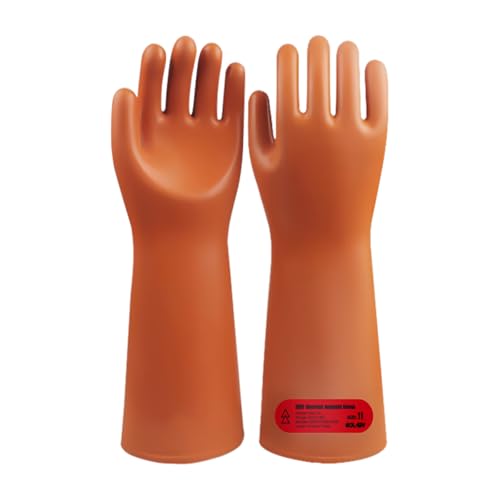
GOL-SIV Class 2 gloves are built for high-voltage environments with a rated maximum of 21,750V AC and testing up to 25kV. They emphasize natural material resilience against wear and chemicals, reducing hand fatigue over long shifts. A non-slip rubber grip enhances tool control, and the fully waterproof construction helps maintain performance in wet conditions, making them suitable for outdoor lineman work and damp electrical environments.
MAGID Insulating Electrical Gloves M011R10 — Size 10

MAGID M011R10 offers the same Class 0 protection as the M011B9, with a different size for improved fit. The gloves use the same non-conductive, elastic natural rubber latex material, providing reliable electrical insulation and comfort for everyday lineman tasks. Ideal for electricians performing routine low-voltage work or intermittent high-voltage duties in combination with leather protectors.
GOL-SIV Class 2 Electrician Insulated Gloves — 10,000V
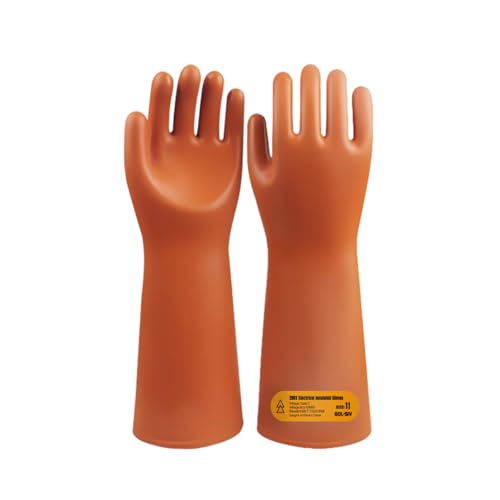
GOL-SIV Class 2 insulating gloves are designed for electricians handling up to 10,000V AC. They feature a premium natural rubber construction for flexibility and comfort, with a non-slip palm texture to improve tool control. The gloves’ fit and abrasion resistance are tuned for extended operations in high-voltage environments, balancing dexterity with protection.
MAGID Leather Lineman Protector Work Gloves

MAGID’s leather lineman protector gloves offer a 12-inch protection option to be used in conjunction with insulated rubber gloves. These tan gloves provide a rugged outer layer to shield insulated gloves from abrasion and punctures during high-voltage handling. They’re designed to integrate with rubber insulating gloves for a layered protection approach on the job site.
Buying Guide: Key Purchase Considerations
Voltage rating and class: Choose according to the typical voltage you encounter. Class 0 gloves protect up to 1,000V AC, while Class 2 and Class 3 PPE cover higher ranges. For most linework in the U.S., Class 0 to Class 2 often suffice, but higher classes are essential for specialized environments.
Material quality and elasticity: Natural rubber latex gloves offer elasticity and reliable insulation. Ensure the material is dielectric, non-conductive, and free of puncture risks. Consider whether the gloves are fully waterproof or have moisture resistance for damp conditions.
Comfort and fit: Gloves must fit snugly without restricting dexterity. Check available sizes and cuff lengths. A proper fit reduces fatigue and improves tool control over long shifts.
Durability and protection: Leather protectors extend glove life by shielding the rubber from wear and tear. The combination reduces replacement frequency and maintenance costs on busy job sites.
Certification and testing: Look for gloves tested to applicable standards (for example, ASTM D120 for electrical insulation). Regular inspection and retirement timelines are critical for safety compliance.
Usage conditions: Wet, oily, or oily-wet environments favor fully waterproof designs with superior grip. For dry indoor tasks, flexibility and tactile response may be prioritized.
Cost vs. lifecycle: Higher-rated gloves may come with higher upfront costs but offer longer service life and better protection, particularly in demanding environments. Evaluate total cost of ownership rather than just purchase price.
Summary: The featured gloves span a range of classes and use cases, from everyday low-voltage lineman tasks to high-voltage, weather-exposed work. Leather protector gloves paired with insulating rubber gloves provide an effective two-layer approach for high-risk environments. When selecting gloves, prioritize voltage compatibility, material quality, fit, and the presence of certification or testing to ensure ongoing protection on the job.