Best High Voltage Digital Thermostat Guide for Efficient Home Heating
Answering the question: which high voltage digital thermostat fits your system and saves energy? This guide profiles top line‑voltage, single‑stage and programmable options for American homes. Best for homeowners upgrading old wiring, DIY installers, and anyone seeking precise heat control on 120/240V systems. Below, five selected models are compared by installation type, programmability, and suitability for common heating setups.
Summary of chosen products:
| Product | Best For | Key Benefit |
|---|---|---|
| Honeywell TL7235A1003 Line Volt Pro Non-Programmable Digital Thermostat | Basic digital control on 240V systems | Clear temperature readout with minimal noise |
| Honeywell TL8230A1003 Electric Heat Digital 7 Day Programmable Thermostat | 7‑day scheduling, energy savings | Precision temperature control |
| Lux ELV4 Line Voltage Programmable 5‑2 Day Thermostat | 4 daily periods, line‑voltage only | Flexible scheduling, UL approved |
| Inkbird ITC-308 Digital Temperature Controller | Dual‑stage heating/cooling for 110V systems | Dual relay, clear display |
| Legacy TH5 Line Voltage Thermostat Assembly | Simple 120V control for basic setups | Easy wiring with standard outlet |
Honeywell TL7235A1003 Line Volt Pro Non-Programmable Digital Thermostat

The Honeywell TL7235A1003 provides straightforward digital temperature control for 240‑volt heating systems. It is non‑programmable, making it ideal for installations where simple on/off control is sufficient. The unit features an easy‑to‑read backlit display, reduces audible clicking versus traditional mechanical thermostats, and includes a heating indicator so users can confirm heat operation at a glance. Best for: installers seeking uncomplicated, reliable control on high‑voltage systems; suitable for homes with simple heating setups or add‑on electric furnaces. Caution: this model has no scheduling or advanced features, so daily energy savings are limited compared to programmable options.
Honeywell TL8230A1003 Electric Heat Digital 7 Day Programmable Thermostat
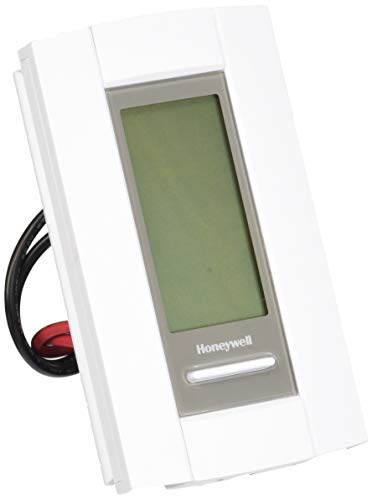
This 7‑day programmable thermostat offers precise electronic control with a temperature accuracy of ±1 F, designed to save energy by maintaining custom schedules. It supports up to seven days of programming and is suited for homeowners who want weekday/weekend routines or different comfort levels through the week. Best for: users who want energy savings with a consistent daily or weekly schedule. Caution: installation may require careful wiring—verify compatibility with your heating system and wiring before purchase.
Riseem Nonprogrammable Thermostat for Home (White Backlight)

This nonprogrammable option for single‑stage systems emphasizes a simple user experience with a white backlit display. It supports various heating and cooling configurations but is limited by the lack of scheduling features. Best for: homes needing a straightforward, reliable control for basic systems. Caution: size and wire count limitations should be checked—the base supports a limited number of wires, and incorrect wiring can cause malfunctions.
Lux ELV4 Line Voltage Programmable 5-2 Day Thermostat

The Lux ELV4 is a line‑voltage programmable thermostat that supports four program periods per day, enabling flexible scheduling for energy efficiency. It is UL approved and features a temporary override function for quick, temporary changes to the programmed settings. Best for: users who want mid‑cycle adjustments and a more nuanced daily routine. Caution: this unit is designed for line‑voltage loads only and may not be compatible with low‑voltage control wiring.
Legacy TH5 Line Voltage Thermostat Assembly

The Legacy TH5 line voltage thermostat is a simple, practical choice for 120V systems with a standard three‑prong outlet plug. It allows basic heating or cooling control by wiring configuration. Best for: older homes or DIYers who want an easy replacement for a basic line‑voltage setup. Caution: lacks advanced features found in programmable models; ensure compatibility with your specific wiring and load requirements.
Buying Guide
What should I consider when choosing a high voltage digital thermostat?
Compatibility with your electrical system is essential. Check voltage (120V or 240V), maximum load (amps/watts), and whether the unit supports single‑stage or multi‑stage heating/cooling. Programmable models can yield meaningful energy savings if you have a regular schedule, while non‑programmable options provide simple, reliable control.
Programmable or non‑programmable—what fits my lifestyle?
Choose programmable models if you maintain consistent daily routines and want to reduce energy use during absences or sleep. If you prefer simplicity or already know your heat needs, a non‑programmable unit reduces complexity and potential installation issues.
Wiring and installation—how complex is it?
High‑voltage thermostats require careful wiring. Some units are designed for quick replacements with standard outlets, while others need dedicated wiring and may require an electrician. Review installation instructions for wire count (common limits include 2–5 or more wires) and compatibility with your furnace or heating system.
Energy efficiency and control features—what matters?
Look for precise temperature control (±1 F or better), backlit displays for readability, and features like temporary overrides or hold modes. Programmable schedules and auto‑restore after power loss can improve reliability and savings over time.
Safety and compatibility notes—what to verify?
Ensure the thermostat is rated for the load and environment (indoor use, dry locations, and compatibility with gas/oil/electric furnaces or boilers). If you have a heat pump or multi‑stage system, verify whether the unit supports those configurations or if a dedicated multi‑stage model is required.
Quick compatibility checklist
- Voltage: 120V or 240V, matching your system
- Load: amperage rating compatible with heater or boiler
- Wiring: number of conductors and terminal types align with the thermostat
- Programming: need for daily/weekly schedules
- Installation: ease of replacement or need for professional help
FAQ
- Do high‑voltage thermostats work with heat pumps? Some do; verify model specs for compatibility with heat pumps or multi‑stage systems.
- Are programmable thermostats worth it on 240V systems? Yes, when you have a consistent schedule; they can reduce energy use through scheduled setbacks.
- Is professional installation required? It depends on wiring complexity and local codes; simple replacements may be DIY with proper precautions.
- What is “line voltage” in a thermostat? It refers to control of heating elements directly through mains voltage, typical for older electric furnaces and baseboard heaters.
- Can I mix different brands? Yes, as long as electrical ratings, wiring, and load requirements match your system.
- What is the risk of incorrect wiring? It can cause improper heating operation or equipment damage; follow manufacturer instructions or hire a pro.