Best High Pressure Safety Relief Valves for Air Compressors and Tanks
When working with compressed air systems, choosing a reliable high‑pressure safety relief valve is crucial for protecting equipment and personnel. This guide highlights five top options, covering varying pressures, materials, and environments. Each valve profile includes key features, compatibility notes, and practical considerations to help you select the right model for your setup.
| Product | Brand | Preset Pressure | Inlet | Notes |
|---|---|---|---|---|
| LSTOPGO 2 Pieces 1/4” Male 200 PSI | LSTOPGO | 200 psi | 1/4″ NPT | Brass, two-pack, good oxidation resistance |
| New 1/4″ NPT 150 PSI 58 SCFM | ALL Tool Depot | 150 psi | 1/4″ NPT | Brass with stainless steel spring |
| 4 Pieces 1/4″ NPT Brass Safety Valve | Bonuci | 200 psi | 1/4″ NPT | Brass construction, four-pack |
| Watts 0342691 30 PSI Relief Valve | Watts | 30 psi | 3/4″ female/male | Bronze, standard relief valve |
| Control Devices NC25-1UK002 | Control Devices | 25-200 psi | 1/4″ NPT | Adjustable range, brass construction |
Note: The table above summarizes key specs to help you compare at a glance. Always verify compatibility with your equipment’s operating pressure, temperature range, and connection type before purchase.
LSTOPGO 2 Pieces 1/4” Male 200 PSI NPT Relief Valves

These brass relief valves are designed for air compressors, with two units per package for convenient replacements. The brass body offers good oxidation resistance and corrosion resistance, while the 1/4″ NPT threads ensure straightforward installation. A 200 psi relief setting helps protect components from overpressure. The product notes a flow rate of 76 scfm and a temperature range from 32°F to 176°F, making them suitable for typical shop compressors and similar systems. Ideal for quick replacements and reliable operation in moderate-temperature environments.
New 1/4″ NPT 150 PSI Relief Valve

With a 1/4″ NPT inlet, this valve targets 150 psi relief. Brass construction combined with a stainless steel spring supports corrosion resistance, while a silicon O-ring provides a leak-proof seal close to the relief pressure. The unit is designed for higher-temperature operation, up to 250°F, enabling use in hotter environments or equipment with elevated heat generation. The precise relief setting, accurate to within 3%, helps maintain system safety without nuisance venting in typical shop air compressors.
Bonuci 4 Pieces 1/4″ NPT Safety Valves

This set contains four 1/4″ NPT brass safety relief valves. Brass construction provides good corrosion resistance and durability for discharging air, water, or oil from air compressors. The valves list a working pressure around 200 psi, with a flow capability of 178 cfm and an ultra-wide operating temperature range from -65°F to 250°F. The quantity makes it convenient for multiple machines or spare parts in a workshop environment.
Watts 0342691 30 PSI Bronze Relief Valve

Watts’ bronze relief valve is designed for simple, reliable safety venting at lower pressures. The 3/4″ inlet/outlet configuration makes it suitable for certain larger tank or header configurations where a broader port is beneficial. It focuses on straightforward relief at a modest pressure, providing dependable protection for equipment that operates around 30 psi. The valve’s bronze body supports durability in various environmental conditions and fits common plumbing standards.
Control Devices NC25-1UK002 Brass Adjustable Valve
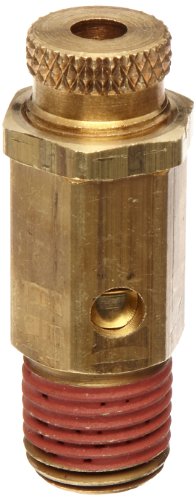
This valve offers an adjustable relief range from 25 to 200 psi, enabling precise tailoring to your system’s needs. The 1/4″ male NPT inlet keeps compatibility with common air compressor fittings. Brass construction paired with a stainless steel spring provides resilience against corrosion, while adjustable relief helps accommodate fluctuations in operating pressure without underserving protection or venting too early.
SENRISE 1PCS High Pressure Bleeder Valve

The SENRISE bleeder valve is designed for high-temperature applications and deflating high-pressure air pumps. Made of brass, it emphasizes high-temperature resistance and reliable pressure control, serving as a protective device to prevent overpressure in critical components. Its practical design suits systems requiring controlled venting during maintenance or operation to safeguard equipment surfaces and seals.
Buying Guide: Key Considerations For High Pressure Safety Relief Valves
Overview: High pressure safety relief valves are safety-critical components in air compressors, tanks, and hydraulic systems. When selecting a valve, focus on pressure range, connection size, material, temperature tolerance, flow capacity, and installation compatibility. The following perspectives help cover common user needs and constraints.
- Pressure Range And Set Point: Ensure the valve’s relief range matches your system’s maximum operating pressure. Adjustable models offer flexibility across different machines, while fixed presets suit standard configurations. Consider overpressure margins and the likelihood of pressure spikes.
- Inlet/Outlet Size And Thread Type: Most air compressors use 1/4″ NPT fittings, but some tanks or headers may require larger or specialized connections. Verify thread compatibility and ensure a proper seal with a compatible gasket or O-ring.
- Material And Corrosion Resistance: Brass valves provide good corrosion resistance and heat tolerance for air and water systems. Bronze variants offer durability in harsher environments. Stainless steel springs add longevity in aggressive settings.
- Temperature Range: If your equipment generates significant heat, choose a valve rated for high temperatures. Some models list operating ranges from subfreezing to well above 200°F, which helps prevent valve failure due to heat stress.
- Flow Capacity And Response Time: Higher flow ratings enable venting of large volumes quickly, which can be critical for heavy-duty equipment. Check published SCFM or cfm figures and understand their relevance to your system’s venting needs.
- Reliability And Maintenance: Look for valves with robust seals (silicone O-rings) and glue-treated threads to reduce leakage. A multi-pack may be advantageous for spare parts in a workshop.
- Compliance And Standards: Some applications require valves that meet specific industry standards or certifications. Confirm compatibility with local codes and equipment manuals before purchasing.
- Installation Considerations: For projects with limited space, compact valves or serviceable designs are beneficial. Ensure accessibility for inspection, testing, and replacement.
In practice, align your choice with the most critical needs: maximum safe pressure, environmental conditions, and how quickly you need venting to occur. If you operate multiple machines, consider a mix of adjustable and fixed valves to accommodate varying systems and safety margins.