Best Heat Trace for PVC Pipe: Reliable Freeze Protection for American Homes
Keeping PVC pipes from freezing is essential in cold climates. The right heat trace cable automatically warms when temperatures drop, protecting water flow and preventing bursts. This guide reviews five top-rated options designed for PVC and other pipe materials, emphasizing safety, energy efficiency, and reliability. Each product below includes a direct Amazon link, specs, and how it fits typical home plumbing setups.
A quick summary table of the selected products helps you compare features at a glance.
| Product | Length / Output | Key Safety Certifications | Typical Use | Why It Stands Out |
|---|---|---|---|---|
| HEATIT 12 ft Self-Regulating Cable | 12 ft, 3 W/ft | ETL Certified; UL listed plug | PVC, metal pipes; indoor/outdoor potential | Balanced length and power with strong safety certification |
| JDZKOMKE 50 ft Pipe Heating Cable | 50 ft, 5 W/ft | UL Full-Cable Certified | Metal and plastic pipes; broad coverage | Heavy-duty construction; robust protection for long runs |
| MAXKOSKO 6 ft Heating Cable | 6 ft, 5 W/ft | UL-based safety features implied in specs; energy saver | Standard home pipes; quick deploy | Compact, energy-saving self-regulating design |
| YeloDeer 12 ft Heat Tape | 12 ft, 5 W/ft | Self-regulating core; robust insulation | PVC, copper, PEX pipes; versatile | Strong insulation and multi-layer armor for durability |
| VEVOR Self-Regulating 120 ft Cable | 120 ft, 5 W/ft | CE-approved; IP68 waterproof rating | Large outdoor or basement runs; heavy-duty | Long run coverage with reliable self-regulating performance |
These products are representative of the current market options for protecting PVC pipes from freezing. When selecting a heat trace, consider pipe material, installation environment, power availability, and maintenance needs. The following sections break down each product and highlight what makes them suitable for PVC applications.
HEATIT 12ft Self-Regulating Cable

HEATIT’s 12-foot heat cable provides 3 watts per foot, delivering steady warmth to prevent freezing in PVC and metal pipes. The system is ETL certified end-to-end, with a UL-listed plug for added safety. Its self-regulating core adjusts heat based on ambient temperature, reducing energy use while maintaining water flow down to -40°F. A 2-foot power cord simplifies setup, and available cable lengths range from 3 to 160 feet, supporting both small and longer runs. This makes it a practical choice for basement pipes or exterior lines near crawlspaces.
Key features include full certification for safety, energy efficiency, and compatibility with multiple pipe materials. The included liability coverage adds purchase security. For installations where space is limited or where a moderate length is sufficient, HEATIT’s 12 ft option balances performance and ease of use.
JDZKOMKE 50ft Pipe Heating Cable

JDZKOMKE’s 50-foot heating cable delivers 5 watts per foot, designed for extensive runs across metal and plastic pipes. The entire cable is UL full-cable certified, offering robust safety assurance beyond plug-level certification. The system includes a 5-foot grounded plug with an indicator light and an aluminum alloy shield to prevent shorts, along with a durable TPE jacket resistant to UV and chemicals. This setup is well-suited for long exterior runs or basements where longer coverage is needed and outdoor exposure is a consideration.
Its freeze protection performance targets -40°F, keeping water moving in very cold climates. The design emphasizes reliability for exposed or buried piping, with a two-tier insulation strategy and a weather-resistant outer layer. This makes it a strong pick for larger homes or commercial-grade plumbing projects where long cables are advantageous.
MAXKOSKO 6 Ft Heating Cable

MAXKOSKO offers a compact 6-foot self-regulating heat tape designed for quick, targeted protection. At 5W per foot, it quickly warms pipes to prevent freezing without overheating. The cable includes a 3-foot power cord, which helps minimize the distance between the thermostat and power source. Its self-regulating technology ensures energy-efficient operation by turning on at approximately 38°F and adjusting heat output as temperatures rise, with a built-in mechanism to avoid excessive heat along shorter runs.
While shorter, this option is ideal for tight spaces or small sections of PVC piping where a full-length solution would be unnecessary. The emphasis on energy savings and straightforward installation makes it a practical choice for DIY projects or repair work on limited layouts.
YeloDeer 12 Ft Heat Tape
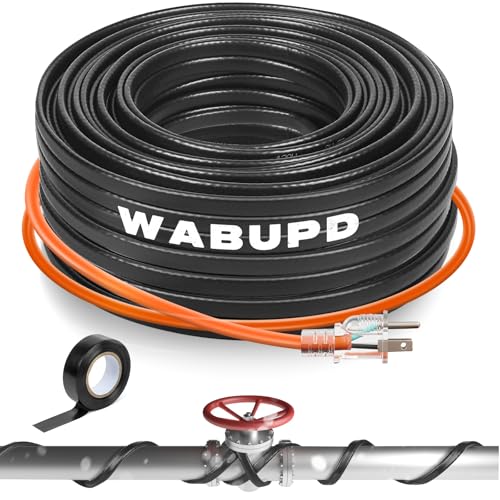
YeloDeer’s 12-foot heat tape combines a self-regulating core with a robust four-layer armor and a weather-resistant LSZH outer jacket. It provides 5 W/ft of heating for reliable freeze protection down to -40°F for metal and plastic pipes, including PVC. A six-foot power cord grants flexibility for routing the cord to a nearby outlet. The built-in thermostat activates around 43°F and shuts off near 55°F, helping conserve energy while preserving water flow in cold weather.
Durability and safety are emphasized through multi-layer construction and flame-resistant materials. This makes it suitable for exterior runs, basements, or garages where pipes encounter exposure to the elements. The product’s design supports long-term use in harsh winter conditions with dependable performance.
YeloDeer 18 Ft Heat Tape
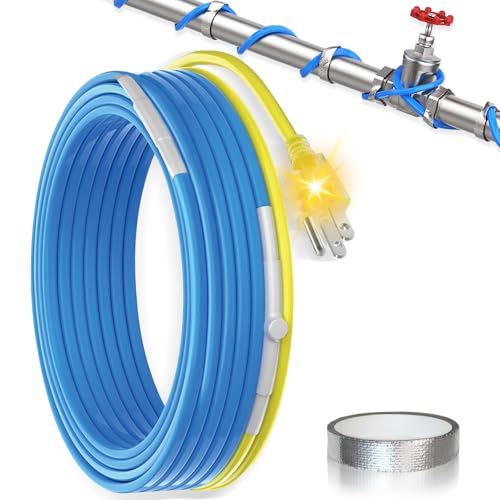
YeloDeer’s 18-foot option expands protection for longer pipe runs while maintaining a self-regulating core and a 5W/ft output. The system includes a six-foot power cord, enabling flexible layout planning. Its design emphasizes multiple-layer armor for durability and an LSZH outer jacket offering enhanced heat and flame resistance. The self-regulating mechanism helps optimize energy use by adjusting heat in response to ambient temperature, reducing the likelihood of overheating on longer installations.
This length strikes a balance between coverage and manageability, making it a versatile choice for exterior spigots, basements, and outdoor hose connections where longer pipes require consistent protection against freezing.
Buying Guide: Key Considerations For Choosing Heat Trace Cables
Selecting a heat trace cable for PVC pipes involves evaluating several factors to ensure reliable protection and safe operation.
- Pipe material and location: PVC pipes in exposed outdoor areas may require IP-rated insulation and robust jackets. Consider indoor vs outdoor exposure when choosing a jacket and rating.
- Length and coverage: Measure the pipe run to determine required cable length. Longer runs may justify UL full-cable certification and heavy-duty shielding.
- Heat output: Typical options range from 3 W/ft to 5 W/ft. Higher outputs are beneficial in very cold climates or long runs but can increase energy use.
- Self-regulating core: Self-regulating cables adjust heat output automatically, reducing waste and preventing overheating. Ensure the core is certified and the entire assembly is UL/ETL listed as applicable.
- Power source and cord length: Ensure the power cord length reaches a safe outlet without strain. Longer cords simplify installation in larger spaces.
- Durability and weather rating: For outdoor or unheated areas, select cables with UV resistance, moisture resistance (IP ratings), and robust jackets to withstand temperature swings and exposure.
- Safety certifications: ETL/UL certification for the full cable and plug provides confidence in safety and compliance with North American standards.
- Insurance and warranty: Some products offer liability insurance or extended warranties, which can provide additional peace of mind for high-risk installations.
- Compatibility with pipe types: Most cables work with metal, PVC, copper, PEX, and other common piping materials, but always verify compatibility in the product specs.
In practice, homeowners typically select a length that covers the exposed run, check for a self-regulating core to optimize energy use, and ensure the entire setup carries appropriate safety certifications. Heavy-duty, UL-listed full-cable options are favored for outdoor or long-run installations. Shorter runs or indoor applications may benefit from compact designs that simplify routing and reduce clutter.