Best Golf Cart Battery Supply Guide: Top 5 Batteries and Accessories for 2026
Need a reliable golf cart battery or related supply? This guide highlights five clear options for 48V and related systems, focusing on longevity, performance, and maintenance. Best for frequent golfers, club operators, and eco-friendly riders who want strong hill-climbing power, long cycle life, and easy monitoring. The top picks include lithium and lead-acid solutions, plus essential cables to keep systems running smoothly. Below, find quick product comparisons and a buyer-friendly buying guide to help you choose wisely.
| Product | Type | Best For | Why It Stands Out |
|---|---|---|---|
| OGRPHY 48V Lithium Golf Cart Battery | Lithium 48V | Daily drivers, long-range carts | High peak current, touch monitor & app, 5kWh+ capacity |
| Elefast 48V Lithium Battery Kit | Lithium 48V | Easy install, modern features | Compact, Bluetooth monitoring, complete kit |
| XIONGRUIHENG 48V LiFePO4 Kit | LiFePO4 48V | All-weather use, robust BMS | Built-in Bluetooth 250A BMS, 600A peak |
| Trojan T-875 8V Plate | Flooded Lead-Acid | Traditional, heavy-use fleets | Long runtime, deep-cycle design |
| CASISPRO Battery Cables Kit | Cables | EZGO TXT models | High-conductivity copper, durable terminations |
OGRPHY 48V Lithium Golf Cart Battery, 105Ah

Type: 48V lithium with 105Ah capacity and 200A BMS, 1000A peak current. Features a touch monitor and mobile app for real-time data. The battery emphasizes durability with UL-certified LiFePO4 cells and a large 5kWh+ capacity, suitable for golf carts that require sustained power on hills or rough terrain. Best for golfers or cart fleets seeking high performance and easy monitoring without frequent maintenance.
Best for: Cart owners who want strong hill-climbing ability and remote monitoring. Why selected: Combines high peak current with a robust BMS and user-friendly monitoring tools.
Caution: Requires proper charging and temperature management to maximize life, especially in extreme climates.
Golf Cart Battery Water Filler for Flow Rite Pro Fill System
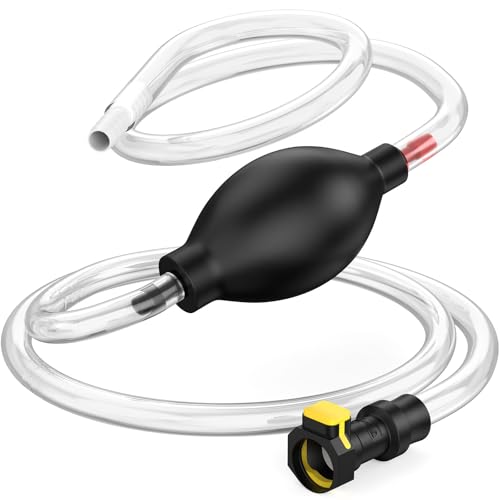
Type: Water filler accessory for Trojan HydroLink/Flow-Rite Pro Fill systems. Keeps battery water at proper levels to extend life and efficiency. Built with upgraded pump bulb materials and reinforced fittings to reduce leaks, plus a built-in check valve to prevent backflow. Best for maintenance-friendly fleets and individual owners who want to simplify water top-offs.
Best for: Owners seeking straightforward maintenance enhancements. Why selected: Helps maintain optimal battery chemistry and life with accurate filling.
Caution: Not a power source or battery itself; requires compatible water systems.
12V-72V Battery Monitor Meter for Golf Carts

Type: Multi-voltage battery level meter with 10-segment LED display. Supports 12V up to 72V configurations, including popular golf cart setups. Best for: Cart owners who want a clear view of remaining capacity and easy monitoring without dedicated app dependence.
Best for: Quick glance ability, simple installations. Why selected: Provides a straightforward battery state-readout across common golf cart voltages.
Caution: LED indicators provide a general state; advanced data requires compatible systems or apps.
XIONGRUIHENG 48V LiFePO4 Battery Kit

Type: 48V LiFePO4 with 105Ah, built-in 250A BMS, Bluetooth monitoring, 58.4V 20A charger, LCD touch monitor, and port plug. Features a maximum continuous discharge of 250A and peak 400A (3s) or 600A (3s). Best for: Those needing robust protection and real-time battery data, ideal for frequent use and challenging terrains.
Why selected: Strong BMS protection, long life, and integrated monitoring tools. Limitation: Higher upfront cost compared to some lead-acid options, but longer cycle life can offset cost over time.
Trojan T-875 8V Deep-Cycle Battery (Pack of 6)

Type: Flooded lead-acid deep-cycle 8V batteries, designed for golf carts, renewable energy, marine, and industrial use. Best for: Traditional, heavy-duty fleets preferring proven chemistry and replacement availability. Why selected: Long runtime and deep discharge capability; widely supported in older cart models.
Limitation: Heavier weight and periodic watering/maintenance required; handle with caution and proper charging routines.
Buying Guide
What matters most when choosing a golf cart battery supply?
- Battery chemistry: Lithium (LiFePO4) offers longer life, higher efficiency, lighter weight, and deeper cycling than standard lead-acid. Choose LiFePO4 for frequent use and weight-sensitive carts.
- Voltage and capacity: Match your cart’s voltage (commonly 36V, 48V, or higher) and desired range. Higher Ah extends range but increases size and cost.
- Peak and continuous discharge: Look for BMS specifications that support your driving demands, including hill climbs and heavier loads. Higher peak current reduces power sag.
- Monitoring and connectivity: Apps, touch monitors, and Bluetooth enable real-time data and easier maintenance. Consider your preferred data access method.
- Maintenance requirements: Lead-acid batteries need watering and regular maintenance; lithium batteries typically require less maintenance but cost more upfront.
- Weight and installation: Lighter batteries simplify installation and handling; ensure compatibility with existing mounts and cables.
- Accessories and compatibility: Cables, chargers, and monitor kits can simplify upgrades. Verify compatibility with your cart brand (EZGO, Club Car, Yamaha, etc.).
Installation and care tips
- Follow manufacturer guidelines for charging temperatures and charging cycles to maximize life.
- Keep batteries securely mounted and connections clean and tight to prevent power loss or arcing.
- Use the recommended charger and avoid fast charging beyond specifications unless stated by the manufacturer.
- Store and operate in moderate temperatures to maintain capacity and extend cycle life.
FAQ
What is the main difference between lithium and lead-acid golf cart batteries?
Lithium offers longer cycle life, lighter weight, higher energy density, and less maintenance, while lead-acid may be cheaper upfront but requires regular watering and has shorter life.
How do I know which battery fits my golf cart?
Check your cart’s voltage requirements (e.g., 48V) and the compatible brand controllers. Ensure the physical size and weight fit your mounting area.
Do I need a new charger when upgrading to lithium?
Often yes. Lithium batteries may require a charger matched to their chemistry and a compatible charging profile.
Is a BMS necessary?
A Battery Management System (BMS) protects against overcharge, over-discharge, and temperature issues, extending life and safety for high-drain use.
Can I mix battery brands in a cart pack?
Mixing different chemistries or capacities can cause imbalance and reduce performance; align packs with manufacturer guidance.