Best Geo Cell Ground Grid Solutions for Gravel Stabilization
Geo cell ground grids provide a stable base for driveways, walkways, and slopes by distributing loads and preventing soil erosion. This guide highlights five top products that suit DIYers, homeowners, and small contractors looking for gravel stabilization and ground support. Each option emphasizes ease of installation, durability, and consistent performance on soft or uneven terrain.
Summary comparison of selected products:
| Product | Best For | Depth | Typical Coverage |
|---|---|---|---|
| Sunnyglade 2″ Thick Ground Grid, 40 x 4 FT | Light-load driveways and garden paths | 2 in | Approx. 160 sq ft |
| GRITSPIKE Gravel Grid, 40FT | Large parking pads and slopes | 2 in | Approx. 160 sq ft |
| VEVOR Ground Grid, 25 ft x 9.5 ft | DIY patios, walkways, sheds, light drive | 3 in | Approx. 237.5 sq ft |
| VIVOSUN 3″ Depth Ground Grid | Gardens, driveways, heavy foot traffic | 3 in | Varies by area |
| Sunnyglade 2″ Thick Ground Grid, 13.6 x 4 FT | Compact slope or path projects | 2 in | Approx. 54.4 sq ft |
Sunnyglade 2″ Thick Ground Grid, 40×4 FT

Best for light-load reinforcement on slopes or flat areas, this 2-inch deep geocell grid supports gravel or soil and is ideal for garden paths, patios, parking lots, and RV areas. It is made from durable HDPE, is foldable for storage, and can be cut to fit unique layouts. The 40′ length and 4′ width offer broad coverage per unit.
Who it’s best for: homeowners tackling DIY patios and gentle-grade driveways who want a versatile grid with easy storage and flexibility. Caution: ensure proper base preparation to maximize stability on very soft soils.
GRITSPIKE Gravel Grid, 40FT

Includes three expandable rolls that connect to form a 4 ft by 40 ft stabilization area, with 2-inch depth for gravel, soil, or sand. The grid flexes before filling, aiding layout adaptation, and then locks into a stable, load-bearing surface once anchored and compacted.
- Best for parking pads, walkways, and slopes where a larger, continuous gravel area is required.
- Better for setups needing flexible initial shaping and a strong, three-dimensional structure.
- Caution: proper base preparation and edging are essential to prevent edge washout on very soft soils.
VEVOR Ground Grid, 25 ft x 9.5 ft

This 3-inch-depth HDPE geocell grid provides strong load distribution for patios, walkways, sheds, and light vehicle driveways. It offers easy cutting, attachment, and expansion, with a three-dimensional honeycomb design that enhances drainage and reduces ground erosion. The product is designed for DIY installation and transport.
- Best for mixed-use surfaces where both pedestrian and light vehicle traffic are anticipated.
- Better for users needing higher depth to combat soft soils and improve stability.
- Caution: ensure an adequate base layer and proper anchoring to prevent shifting on steep slopes.
VIVOSUN 3’’ Depth Ground Grid

HDPE geocell with 3-inch depth offers a robust base for gardens, driveways, and pathways. Its three-dimensional honeycomb structure evenly distributes up to 1885 lbs per square foot, supporting heavy foot traffic and various fill materials, including gravel and soil. It is foldable and easy to customize for irregular areas.
- Best for long-lasting ground stabilization where heavy usage is expected.
- Better for applications requiring significant load distribution and drainage.
- Caution:Verify base compaction and edging to prevent gravel migration on steeper slopes.
Sunnyglade 2″ Thick Ground Grid, 13.6 x 4 FT
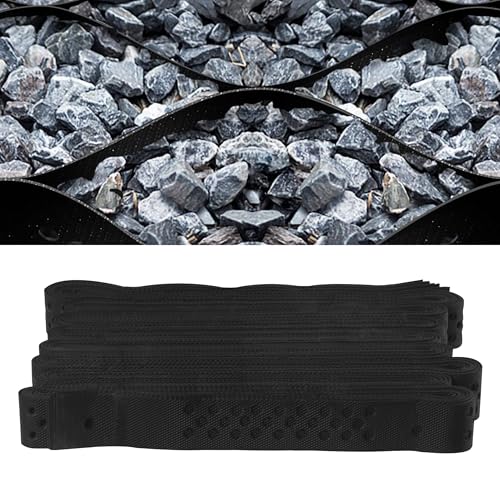
Compact geo grid designed for smaller slopes and pathways. The 2-inch depth supports light loads and is suitable for garden paths, patios, and walkways where space is limited. The HDPE material is recyclable and resists deformation and aging, with foldable design for storage.
- Best for tight spaces and raised garden bed pathways.
- Better for lightweight installations where a full-size grid is impractical.
- Caution: coverage is smaller per unit; plan layouts accordingly to avoid gaps.
Buying Guide
What load will you need to support? Consider the expected traffic—pedestrian-only paths need lighter grids, while driveways and areas for vehicles require higher load capacity (look at lbs per sq ft ratings).
What depth is appropriate for your soil? Deeper grids (2–3 inches) provide more stability on soft or uneven ground and slopes. Choose depth based on soil softness and anticipated loads.
How should you prepare the base? A proper base with compacted soil or crushed gravel minimizes shifting and erosion. Some products include base recommendations or require additional edging and stabilization steps; follow the base prep guidelines for best results.
Are your dimensions flexible? Some grids come in rolls or expandable sections. Consider the layout shape and whether you need to cut or connect pieces to fit irregular spaces.
Is drainage important? Open-cell designs improve water flow and reduce pooling. If drainage is a priority, select a grid with high permeability and avoid designs that trap water.
What are storage and handling considerations? Foldable or highly flexible grids are easier to store, transport, and install in tight spaces or on uneven terrain.
FAQ
- What is a geo cell ground grid?
A geo cell ground grid is a high-density polyethylene (HDPE) cellular structure that distributes loads over a larger area, stabilizing gravel, soil, or other fill materials to create a stable surface for driveways, paths, and slopes.
- Can I install these grids myself?
Yes. Most options are designed for DIY installation with basic base preparation, cutting, anchoring, filling, and compacting steps.
- How much area does each grid cover?
Coverage varies by product and configuration. Roll-based grids cover larger areas when connected, while smaller panels or individual units cover less. Always calculate total coverage by multiplying length by width per section and accounting for overlaps.
- Do these grids require edging or border support?
Edge stabilization helps prevent gravel loss and movement at the sides. Some kits include stakes or fasteners for edging; use appropriate border supports as recommended by the product guide.
- Are these grids weather-resistant?
Most grids are made from HDPE, which resists UV exposure, freeze-thaw cycles, and aging, making them suitable for outdoor use in various climates.
- What materials can be used to fill the cells?
Gravels, soils, or sands are common fillings. Choose fill based on availability, desired compaction, and the load requirements of your project.