Best Generators for CPAP Machines: Reliable Power on the Go
Choosing a portable power solution for a CPAP machine ensures uninterrupted sleep therapy during outages or outdoor trips. This guide highlights five dependable portable power stations designed to run CPAP devices, with attention to capacity, charging options, and ease of use. Each product below is evaluated for suitability with typical CPAP workloads, including stable output, quiet operation, and multiple recharge methods. Use the Buying Guide to compare features and tailor your choice to your routine and travel plans.
| Product | Brand | Approx. Capacity | Best Use |
|---|---|---|---|
| ALLWEI Portable Power Station 300W | ALLWEI | 280Wh | CPAP, outdoor, emergency |
| EHOM Portable Power Station 350W | EHOM | 299Wh | CPAP, camping, backup power |
| ALLWEI Portable Power Station 500W | ALLWEI | 512Wh | Home backup, RV, longer trips |
| ENOFLO Portable Power Station 300W | ENOFLO | 228Wh | CPAP, travel, family outings |
| Enginstar Solar Generator 296Wh | EnginStar | 296Wh | CPAP, camping, emergencies |
ALLWEI Portable Power Station 300W
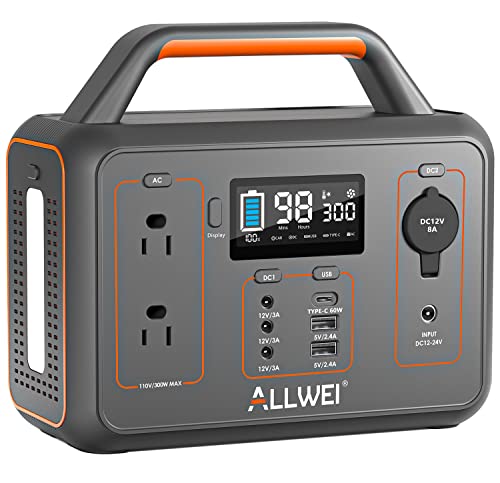
The ALLWEI 300W unit provides 280Wh of capacity with a rated 300W output and a silent cooling fan. It includes multiple ports to support CPAP use alongside phones and small devices. Recharge options include AC wall charging, car charging, and solar panel input, offering flexibility for home, road trips, or outdoor scenarios. Its 3-level LED lighting enhances visibility during setup or outages. This model is positioned as a compact, dependable power source for CPAP machines and essential devices during emergencies.
EHOM Portable Power Station 350W

EHOM’s EP350 delivers 299Wh with a 350W (700W peak) output. It supports three charging methods—AC, car, and solar—with MPPT control for efficient solar input. The unit emphasizes fast recharging and durability, including a high cycle life. It can support CPAP machines and other devices simultaneously through a range of ports, making it a strong choice for travelers seeking rapid setup and reliable backup power for CPAP use or other essential devices.
ALLWEI Portable Power Station 500W

This larger ALLWEI model provides 512Wh of capacity with two 500W AC outlets, USB-C, USB-A, and DC ports. It is designed for home backup and RV use, capable of powering a CPAP and other appliances during longer outages. A completed charging cycle within a few hours enables ready use for travel or emergencies, while the robust battery chemistry supports repeated use over time. Its expanded port selection helps ensure CPAP equipment remains powered alongside other devices.
ENOFLO Portable Power Station 300W

ENOFLO’s 300W unit offers 228Wh capacity with dual 110V pure sine wave outlets and multiple DC/USB ports. The device supports charging via wall outlet, car, or solar input, enabling flexible CPAP power in various environments. With multi-device charging in parallel, it is suitable for CPAP and bundled devices during camping, travel, or home backup situations where a compact, balanced power source is needed.
Enginstar Solar Generator 296Wh

EnginStar’s 296Wh portable power station balances compact size with multiple output options, including two 110V outlets, DC ports, USB-A, and USB-C. The unit is designed for CPAP use on trips or in emergencies, featuring a built-in LED light and an LCD display for easy status monitoring. Its size and weight profile make it convenient for campers and travelers who need reliable CPAP power without bulk.
Buying Guide: Key Considerations For CPAP Power Solutions
- Capacity and CPAP load: CPAP machines typically run at 30-60W during operation; add mask humidification and accessories to estimate total draw. Choose a battery with at least 2-3x your daily CPAP energy needs to cover nights away from outlets.
- Output quality: Pure sine wave inverters are preferred for CPAP machines to minimize electrical noise and ensure stable operation. Verify continuous versus peak output to avoid overload during startup.
- Recharge flexibility: Look for multiple recharging methods—AC wall, car, and solar—for home use, camping, or outages. MPPT controllers improve solar charging efficiency in sunny conditions.
- Port variety: Ensure ports align with CPAP connectors and any other devices you plan to power (USB-C, USB-A, DC 12V, and AC outlets).
- Weight and portability: If travel is frequent, prioritize lighter units with manageable handles and compact dimensions without sacrificing essential capacity.
- Durability and lifecycle: Consider battery chemistry (LiFePO4 or Li-ion) and expected cycle life. A longer lifespan reduces replacement frequency and total cost of ownership.
- Noise levels: Quiet operation is beneficial for bedroom use. Look for products that emphasize low-noise fans or passive cooling when evaluating options.
- Safety features: Overload protection, short-circuit protection, and protection against deep discharge help ensure safe, reliable operation for CPAP equipment.
- Warranty and support: A solid warranty and accessible customer support can be important when CPAP equipment is dependent on power reliability during travel or medical needs.
These considerations help balance portability with uninterrupted power for CPAP therapy, enabling informed selection based on travel frequency, climate, and routine. The listed products span sizes and recharge options, offering choices from compact 228–296Wh options to larger 512Wh units for extended use at home or on the road.