Best Generators for CPAP Machines: Reliable Power on the Go
When powering CPAP therapy away from home, a dependable portable power solution is critical. The following generators are selected for compatibility with common CPAP models, emphasis on pure sine wave output, multiple charging options, and portable design. Each entry highlights practical use cases—travel, camping, emergencies—and notes how its features can support uninterrupted CPAP therapy through the night.
Summary of selected products:
| Product | Brand | Approx. Capacity | Key Outputs | Weight |
|---|---|---|---|---|
| EnginStar 296Wh Solar Generator | EnginStar | 296Wh | 2x 110V AC, 12V/24V DC, USB-C 18W, USB-A | 6.5 lb |
| EASYLONGER ES400 CPAP Battery | EASYLONGER | 148Wh | CPAP compatibility, pass-through charging | … |
| BLUETTI CPAP Battery X30 | BLUETTI | 297Wh | CPAP-friendly power, multiple outputs | ~3.9 lb |
| PROGENY 300W Portable Power Station | PROGENY | 299Wh | 110V AC, DC, USB-C, pass-through | 7 lb |
| ThunderRider Portable Power Station | ThunderRider | 299Wh | 2x AC, USB-C, USB-A, DC | 4.38 lb |
EnginStar 296Wh Solar Generator

The EnginStar 296Wh solar generator provides a compact, portable power source suited for CPAP use and other devices on shorter trips. It features two 110V pure sine wave AC outlets for clean, stable power, plus DC outputs and USB ports for charging phones, tablets, and small devices. With a built-in LED light and a readable LCD, it’s designed for quick setup in outdoor or emergency scenarios. Weighing around 6.5 pounds, it’s easy to transport in a vehicle or during camping excursions.
Key considerations include its multiport capability, which allows CPAP operation alongside other devices, and its charging flexibility through wall charging, solar input, or car charging. Users should account for CPAP power needs, battery capacity, and potential limits when humidifiers or heated tubes are in use, which can increase runtime requirements.
EASYLONGER ES400 AIR CPAP Battery

The EASYLONGER ES400 CPAP Battery is designed to back up CPAP therapy with a capacity of 148Wh and compatibility with popular models such as ResMed and Philips DreamStation. It supports pass-through charging, allowing the CPAP to run while the battery recharges, which helps avoid therapy interruptions during travel or power outages. The included CPAP cables simplify setup for multiple devices, though larger CPAP machines with humidifiers may impact runtime expectations.
From a practical perspective, this battery is a strong option for one-night backups or weekend trips. Pros include dedicated CPAP cable compatibility and ongoing operation during charging. Potential limitations involve runtime with larger humidified CPAP configurations and the need to monitor battery depletion during longer trips.
BLUETTI CPAP Battery X30

The BLUETTI X30 CPAP Battery offers 297Wh of backup power with a focus on portability and CPAP compatibility. Weighing approximately 3.9 pounds, it’s easy to carry for camping or hurricane preparedness. The device is designed to deliver reliable backup for CPAP and other devices, with a compact form factor that includes a comprehensive cable set for diverse connections. The X30 emphasizes rapid charging and safety features to ensure dependable performance during outages.
Purchase considerations include ensuring compatibility with your CPAP model’s voltage and connector type, and understanding total nightly power needs. The X30’s lighter weight is advantageous for travel, but users should evaluate whether its total runtime meets multi-night requirements with humidifiers in use.
PROGENY 300W Portable Power Station
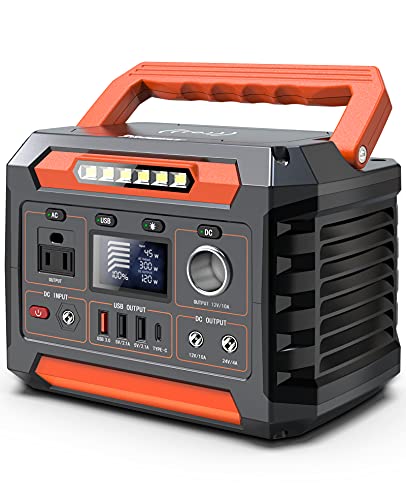
The PROGENY 300W power station delivers 299Wh with a pure sine wave 110V AC outlet and multiple outputs, including DC and USB-C. It emphasizes a lightweight design (about 7 pounds) and pass-through charging, enabling CPAP operation while the unit is charging. The integrated LED light adds versatility for outdoor use and emergencies. This model suits users seeking a balance of power, compactness, and versatility for CPAP and other devices.
Buyers should compare the peak versus continuous output, ensure your CPAP’s startup surge is within the unit’s capabilities, and consider the value of pass-through charging for uninterrupted therapy during recharging cycles.
ThunderRider Portable Power Station
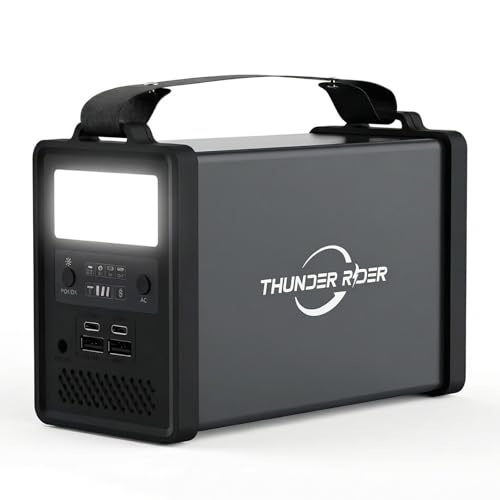
The ThunderRider portable power station combines 299Wh of capacity with a ultralight design, weighing 4.38 pounds. It offers two AC outlets, USB-C, USB-A, and DC ports, enabling CPAP and other devices to operate during trips or emergencies. The device’s compact form factor makes it highly portable for hiking, camping, or airline travel while maintaining reliable power for CPAP therapy through the night.
Considerations include its weight-to-output balance, battery type and cycle life, and whether the unit can sustain longer CPAP sessions with humidification. The dual AC outlets and multiple USB ports provide flexibility for simultaneous charging of accessories and devices.
Buying Guide: Key Purchase Considerations For CPAP Generators
Power capacity and run-time
CPAP machines consume varying power depending on model, humidity, and heated tubes. Look for a battery with enough watt-hours to cover your typical night(s) of use. If you travel for multiple nights, prioritize higher capacity or a system that supports efficient charging and quick top-offs.
Power quality and compatibility
Pure sine wave output protects CPAP and other sensitive electronics from surges or irregularities. Ensure the device provides 110V AC with a clean sine wave and check whether DC outputs match your CPAP’s DC input needs or if adapters are required.
Portability vs. capacity
Smaller, lighter units are easier to carry on flights or hikes but may offer less runtime. Larger, higher-capacity packs extend nights away from outlets but add weight. Consider your travel style and how you’ll transport the unit.
Charging options
Units with multiple charging methods (AC wall, solar panel compatibility, car charging) increase flexibility during outdoor use and outages. If you expect sunny conditions, solar charging can be a significant benefit.
Safety and durability
Look for built-in protections like short-circuit, overcharge, and temperature control. Battery management systems help extend life and prevent failures in harsh environments. Consider devices with ETL or equivalent certifications for peace of mind.
Price-to-performance considerations
Balance your budget with capacity, weight, and port availability. A slightly heavier unit with more ports may provide better overall value than a lighter model with limited outputs, especially for CPAP users who require uninterrupted operation and several accessories.
This collection focuses on CPAP-friendly, portable power with essential safety features, reliable runtime, and practical charging options. When choosing, align your device’s electrical needs, travel plans, and climate considerations to ensure nights stay uninterrupted even during outages or remote trips.