Best Gas Regulator for Pool Heaters: Top Picks for Reliable Heating
Choosing the right gas regulator is essential for safe, consistent pool heating. The best options balance precise pressure control, compatibility with natural gas or propane, and durable construction. This guide highlights five top regulators and accessories that help maintain steady pool heating performance, minimize flame fluctuation, and protect your equipment. Each product section includes installation notes, compatibility considerations, and practical usage insights to help you compare options quickly.
| Product | Brand | Type | Gas | Why it matters |
|---|---|---|---|---|
| Hayward Universal H-Series | Hayward | Gas Heater Regulator/Regulation | Natural Gas | Premium heat exchanger protection and energy-efficient hydraulic design |
| MAXITROL RV48L | MAXITROL | Natural Gas Regulator | Natural Gas | Low inlet pressure with stable outlet; precise control for outdoor systems |
| FENDITEK 1/2″ Regulator | FENDITEK | Adjustable Gas Regulator | Natural Gas / LPG | High-precision adjustment and brass durability |
| GasOne 2102 | Gas One | Low-Pressure Regulator & Hose | Propane/LP | Ready-to-use kit with hose; versatile for LP grills and heaters |
| DOZYANT 3 Feet Regulator Hose Kit | DOZYANT | QCC1 Hose & Regulator | Propane/LP | Tool-free setup; compatible with most LP grills and heaters |
Hayward Universal H-Series Natural Gas Heater Regulator

The Hayward W3H150FDN Universal H-Series Natural Gas Pool and Spa Heater is designed for in-ground pools and spas, delivering reliable heating performance with a robust copper-nickel heat exchanger. This regulator-oriented component supports steady gas flow, contributing to efficient operation even when water chemistry is unbalanced. Its hydraulic efficiency helps reduce pump runtime, offering energy savings without compromising warmth.
MAXITROL RV48L Natural Gas Pressure Regulator

The MAXITROL RV48L regulator features a 1/2 psi inlet pressure with an adjustable 3-6 inches water column (WC) outlet, matching common natural gas pool equipment specs. Its 3/4-inch FPT configuration and clearly labeled settings help ensure accurate, stable pressure. Designed for outdoor and pool equipment, it emphasizes safety by maintaining consistent delivery even with line pressure fluctuations.
FENDITEK 1/2″ Gas Regulator With Adapters

The FENDITEK 1/2″ regulator is designed for both natural gas and liquefied petroleum gas, with 1/2″ FPT connections and included brass adapters. Its high-precision adjustment enables stable gas flow for home appliances, grills, and heaters. The brass construction offers corrosion resistance and durability, making it suitable for outdoor pool equipment where exposure to weather is a consideration.
GasOne 2102 Low-Pressure Regulator & Hose Kit
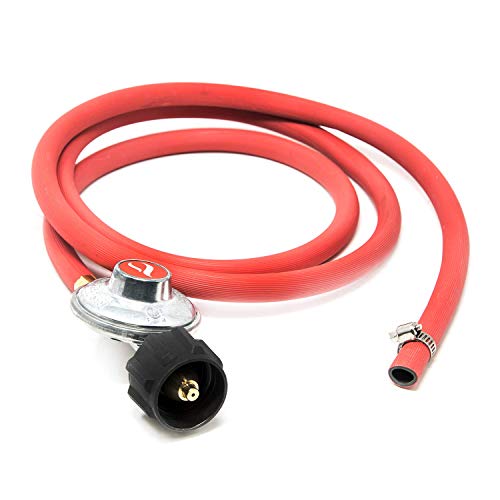
The GasOne 2102 kit offers a 6-foot hose and a low-pressure regulator suitable for LP/LPG grills, heaters, and fire pits. This setup simplifies connection and is ideal for outdoor heating systems that rely on propane. Its regulator is designed for easy operation and compatibility with a wide range of LP appliances, including poolside heaters in many configurations.
DOZYANT 3 Feet Regulator Hose Kit

The DOZYANT 3 Feet Propane Regulator Hose Kit includes a Type-1 (QCC-1) connection with a 3/8-inch female flare nut, offering easy, tool-free installation for many LP appliances. It’s compatible with a range of outdoor grills and heaters, providing a flexible, reliable link between the tank and the regulator. The kit is noted for straightforward setup and a robust swivel nut design to prevent leaks during use.
Buying Guide: Key Considerations For Pool Heater Gas Regulators
- Gas type compatibility: Determine whether your system runs on natural gas or LP propane, and choose regulators rated for that gas type. Some models support both with adapters, but ensure final compatibility with your equipment.
- Inlet and outlet pressures: Match regulator inlet and outlet pressures to the pool heater’s specifications. Common natural gas regulators target 0.5 psi inlet with a low WC outlet; propane regulators usually handle higher flow with 11-14 inches WC depending on the model.
- Connection sizing: Verify thread sizes (FPT vs. NPT) and the presence of adapters as needed. Incorrect fittings can cause leaks or improper gas flow.
- Durability and environment: Outdoor pool equipment is exposed to weather. Brass or stainless steel components, corrosion resistance, and robust housings extend regulator life.
- Ease of installation: Look for regulators with straightforward assembly, included hoses, or adapters. Tool-free connections and clear labeling simplify setup for homeowners.
- Safety features: Check for built-in safety shutoffs or relief mechanisms where applicable. Consistent regulation improves efficiency and reduces risks associated with flame irregularities.
- Warranty and compatibility: A longer warranty and compatibility with a broad range of pool heaters or accessories can influence long-term satisfaction and maintenance.
- Performance consistency: Regulators with precise adjustment help maintain stable flame and heat output, improving pool heating efficiency and minimizing wear on the heater and pump.
What To Consider When Selecting A Regulator For A Pool Heater
Pool heating requires steady gas delivery to maintain target water temperatures. Regulators that offer precise control, reliable materials, and compatible fittings help prevent flame fluctuations, reduce energy use, and extend equipment life. If your installation involves propane, consider kits with hoses of adequate length and QCC-1 compatibility. For natural gas setups, ensure inlet pressure and outlet range match your heater’s specification. Finally, verify that the regulator’s construction withstands outdoor exposure and weather variations typical to pool areas.
Across the options above, you’ll find a balance of precision, durability, and ease of use. For installations near pools, prefer regulators with corrosion-resistant materials and sealed fittings to minimize leaks. When in doubt, consult your pool heater’s manual or a licensed technician to confirm the appropriate regulator type and pressures for your model and location.